



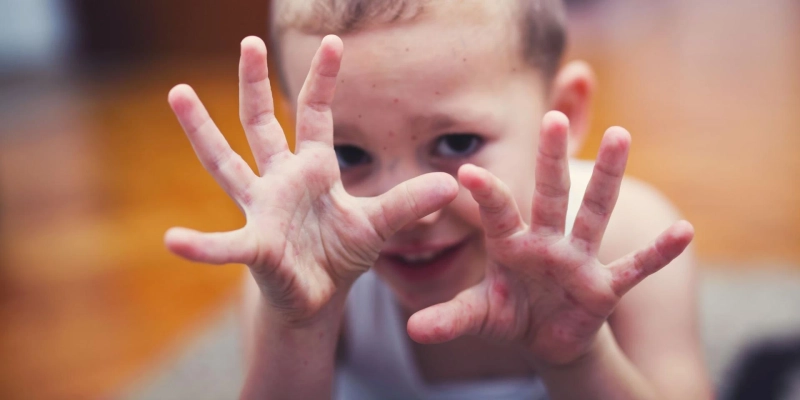
In Thailand, with its warm climate and close-knit communities, outbreaks of common childhood illnesses are a frequent occurrence, and few are as widely known—or as often misunderstood—as Hand, Foot, and Mouth Disease. This highly contagious viral illness primarily affects infants and young children, causing a distinct rash and painful mouth sores. While in most cases the illness is mild and resolves on its own, its contagious nature and the potential for rare, yet serious, complications make it a significant concern for parents, schools, and caregivers. Recognizing the signs of hand, foot, and mouth disease is the first step toward proper care and preventing its spread.
Many parents may initially mistake the early symptoms for a common cold or a simple fever, unaware of the characteristic signs that follow. However, paying close attention to the specific progression of the illness is crucial. By being able to identify the subtle differences in symptoms and understanding when to seek professional medical help, parents can ensure their child receives the right care and is protected from potential risks.
What is Hand, Foot, and Mouth Disease?
Hand, Foot, and Mouth Disease (HFMD) is a common viral infection caused by viruses belonging to the Enterovirus family, most notably Coxsackievirus A16 and Enterovirus 71. It is not the same as the "foot-and-mouth disease" that affects farm animals. HFMD is typically spread through close person-to-person contact, often via respiratory droplets from a cough or sneeze, contact with fluid from the blisters, or through feces. This makes it particularly prevalent in places where young children gather, such as nurseries, daycare centers, and schools.
Early Symptoms: The Initial Clues
The disease typically begins with general, flu-like symptoms that can be easy to overlook. The incubation period is usually 3 to 6 days from exposure.
1. The Onset of Fever
The illness often begins with a sudden fever, which may be low-grade or high. This is commonly accompanied by a sore throat and a general feeling of being unwell (malaise). Children may also experience a loss of appetite and, in some cases, mild abdominal pain. These initial symptoms can make it difficult to differentiate HFMD from other viral infections.
2. Painful Mouth Sores
Within a day or two of the fever's onset, the most tell-tale signs of HFMD begin to appear. Painful red spots, which quickly develop into blisters and then ulcers, form inside the mouth, typically on the tongue, gums, and the inside of the cheeks. These sores can be incredibly uncomfortable and are the primary reason a child may refuse to eat or drink, leading to a risk of dehydration. Parents might notice their child is drooling more than usual or is irritable, a sign that swallowing is painful.
The Distinctive Rash and Blisters
After the mouth sores appear, the characteristic rash emerges, confirming the diagnosis of HFMD.
Location of the Rash
The rash gets its name from its common locations: the hands and feet. Small, raised red spots, which may not be itchy, appear on the palms of the hands and the soles of the feet. The rash can also appear on the buttocks and sometimes on the knees or elbows. In children with darker skin tones, the spots may be difficult to see but can be felt as small, raised bumps.
Progression of the Blisters
The red spots on the hands and feet often turn into small, fluid-filled blisters that have a grayish center with a reddish base. These blisters are a source of the virus and should be kept clean. While they are not usually painful, they can be uncomfortable. The blisters and the rash typically resolve on their own within 7 to 10 days.
When to Seek Medical Attention
While HFMD is usually a mild illness that can be managed at home, there are certain warning signs that should prompt an immediate visit to a doctor or hospital. These signs indicate a potential complication that requires professional medical care.
Signs of Dehydration
The most common complication of HFMD is dehydration, which is a direct result of the painful mouth sores making it difficult for children to drink. Watch for these signs:
- Decreased Urination: A noticeable reduction in the number of wet diapers in infants or less frequent urination in older children.
- Dry Mouth and Lips: The mouth and lips appear dry, and the child may not produce tears when crying.
- Lethargy: The child becomes unusually tired, sleepy, or irritable.
Severe and Worsening Symptoms
In rare cases, HFMD can be caused by a more aggressive viral strain, such as Enterovirus 71, which can lead to serious neurological complications. Seek immediate medical attention if your child exhibits any of the following:
- High and Persistent Fever: A fever of 39°C or higher that lasts for more than three days.
- Severe Vomiting: Frequent vomiting, which can be a sign of neurological involvement.
- Lethargy or Drowsiness: The child is difficult to wake up or seems unusually unresponsive.
- Neurological Signs: Tremors, seizures, jerking movements, or confusion.
- Rapid Breathing: Unusually fast or labored breathing.
Treatment and Prevention
There is no specific cure for HFMD, and treatment is focused on symptom relief and preventing complications.
At-Home Care
- Pain Relief: Use over-the-counter fever reducers and pain relievers to manage fever and a sore throat.
- Hydration: This is the most important step. Encourage your child to drink plenty of fluids to prevent dehydration. Cold water, milk, and soft foods like yogurt and soup can be soothing for a sore mouth. Avoid acidic or spicy foods and drinks that can irritate the ulcers.
- Rest: Ensure your child gets plenty of rest to help their body fight the virus.
Prevention
The best way to prevent HFMD is through strict hygiene practices, especially during outbreaks.
- Handwashing: Frequent and thorough handwashing with soap and water is crucial for both children and adults, especially after using the toilet, changing diapers, or before eating.
- Disinfection: Regularly clean and disinfect high-touch surfaces, toys, and eating utensils. The virus can live on surfaces for several days.
- Isolation: If a child is sick, they should be kept home from school or daycare to prevent the spread of the virus to other children. The child is most contagious during the first week of the illness.
Conclusion
Hand, Foot, and Mouth Disease is a common childhood illness that can cause significant discomfort and concern for parents. While most cases are mild and resolve on their own, a clear understanding of the illness's progression is vital. By recognizing the tell-tale signs of the rash and, more importantly, by being vigilant for the rare but serious symptoms of complications, you can ensure the safety of your child. Through simple, consistent hygiene practices and a quick response to concerning signs, you can confidently manage the illness and protect your family and community from its spread.
FAQs
1. Can adults get Hand, Foot, and Mouth Disease?
Yes, while HFMD is most common in children under 5, it can affect older children and adults. Adults who contract the disease may experience similar or even more severe symptoms, though they are often less likely to get the characteristic rash.
2. Is there a vaccine for Hand, Foot, and Mouth Disease in Thailand?
As of now, there is no widely available vaccine for HFMD in Thailand that protects against all strains of the virus. Prevention relies primarily on good hygiene practices, particularly during the rainy season when outbreaks are more common.
3. How long should a child with HFMD stay home from school?
A child with HFMD should stay home from school or daycare until their fever has subsided for at least 24 hours and the mouth sores have healed enough that they are no longer drooling excessively. While the virus can continue to be shed in the stool for weeks, a child is most contagious during the first week of the illness.
4. Can my child get Hand, Foot, and Mouth Disease more than once?
Yes, it is possible for a child to get HFMD multiple times. This is because the illness is caused by several different viral strains. Immunity to one strain does not protect against another.