



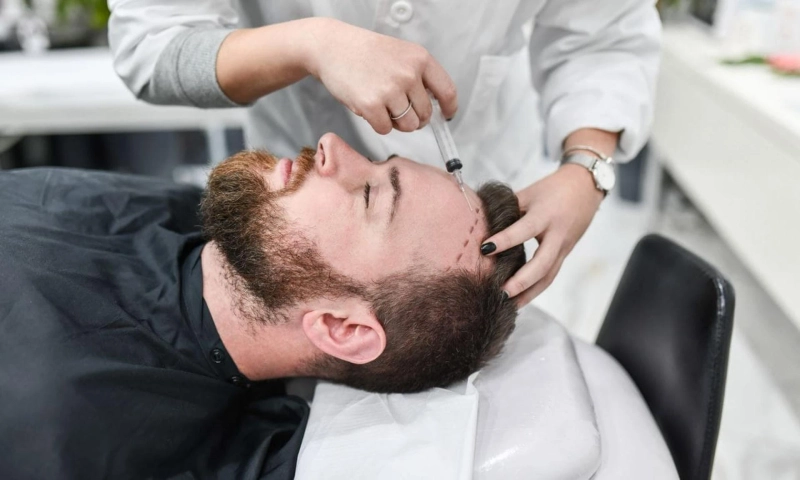
Hair transplant surgery has become one of the most sought-after cosmetic procedures globally, and Turkey has emerged as the leading destination for those seeking affordable, high-quality results. With its combination of skilled surgeons, modern clinics, and competitive prices, Turkey attracts tens of thousands of medical tourists every year.
But before you book your flight and surgery, there are several important aspects you need to understand. This comprehensive guide covers everything you need to know before traveling to Turkey for a hair transplant—from choosing the right clinic and understanding costs to what you can expect before, during, and after the procedure.
Why Choose Turkey for a Hair Transplant?
Turkey’s popularity as a hub for hair transplantation is no coincidence. The country offers a unique blend of:
· Affordability: The cost is often 60–80% lower than in the US or Europe.
· Expertise: Many Turkish surgeons have performed thousands of procedures and are highly specialized.
· All-inclusive packages: Clinics typically provide airport transfers, hotel stays, aftercare, and the surgery itself in one package.
· Advanced technology: Techniques like FUE, Sapphire FUE, and DHI are commonly available.
The government has also actively supported medical tourism, ensuring that standards are maintained in certified clinics.
How Much Does a Hair Transplant Cost in Turkey?
Prices vary depending on the number of grafts, the clinic, the location, and the technique used. However, average prices are:
· FUE (Follicular Unit Extraction): $1,800 – $2,500
· Sapphire FUE: $2,000 – $3,000
· DHI (Direct Hair Implantation): $2,500 – $3,500
These prices often include:
· Hotel accommodation for 2–3 nights
· Airport and clinic transfers
· Local anesthesia and procedure costs
· Post-op medications and care kits
· Translator or English-speaking coordinator
Choosing the Right Clinic: What to Look For
With over 500 clinics in Turkey, especially in Istanbul, it’s important to do thorough research before making a decision. Here are key factors to consider:
1. Surgeon Credentials
Look for a board-certified surgeon with years of experience in hair transplants. Check if the doctor will actually perform the surgery or if it’s delegated to technicians.
2. Clinic Reputation
Research patient reviews on platforms like Google, Trustpilot, and RealSelf. Look for clinics that have consistently positive feedback and natural-looking before-and-after results. The demand for hair transplant turkey keeps rising thanks to the consistently excellent outcomes.
3. Techniques Offered
Ensure the clinic offers the latest techniques such as Sapphire FUE or DHI. Some clinics specialize in one method, while others offer multiple options depending on your hair loss pattern.
4. Aftercare Services
Post-operative care is critical for recovery and results. Look for clinics that offer virtual follow-up support, PRP therapy, and healing kits.
5. Transparency
A reputable clinic will provide clear information on pricing, the number of grafts, what’s included in the package, and recovery expectations.
Preparing for Your Trip
Once you've chosen a clinic and scheduled your procedure, there are several things to plan before traveling.
1. Book Flights and Check Visa Requirements
Most travelers can enter Turkey without a visa or get an e-visa online. Major cities like Istanbul, Ankara, and Izmir have international airports with frequent connections.
2. Accommodation
Many clinics include hotel stays in their packages. Confirm the quality and location of the hotel — ideally, it should be near the clinic.
3. Pre-surgery Instructions
You may be advised to stop smoking, avoid alcohol, and discontinue certain medications such as blood thinners a few days before the surgery.
4. Packing Tips
Bring:
· Loose-fitting clothing (button-up shirts preferred)
· Neck pillow for sleeping upright post-op
· Antibacterial wipes and sunscreen (for post-op care)
What to Expect During the Procedure
The procedure typically lasts between 6 to 8 hours and is performed under local anesthesia. Here's what a typical day looks like:
Step 1: Consultation & Hairline Design
The doctor reviews your scalp and designs a new hairline based on your preferences and donor area.
Step 2: Graft Extraction
Hair follicles are removed from the donor area (usually the back of the scalp) using the selected technique.
Step 3: Graft Implantation
The extracted grafts are carefully implanted into the recipient area.
Step 4: Immediate Aftercare
You may receive a headband to reduce swelling, pain medication, and instructions for sleeping and washing.
Recovery and Aftercare
The first few weeks after surgery are crucial for healing and graft survival.
First 3 Days
· Minor swelling and redness are normal.
· Avoid touching, rubbing, or washing your head.
· Sleep with your head elevated.
First Week
· You’ll begin washing your scalp gently using a special shampoo provided by the clinic.
· Avoid direct sunlight, sweating, or any physical exertion.
After 2 Weeks
· Scabs will begin to fall off.
· Redness and itching may continue but will subside gradually.
1–3 Months
· Shock loss (temporary shedding) may occur — this is completely normal.
· New hair begins to grow by the end of the third month.
6–12 Months
· Substantial hair growth is visible.
· Final results are typically seen by month 12.
Risks and Side Effects
While Turkey offers high-quality treatment, as with any surgery, there are potential risks:
· Infection or inflammation (rare with proper care)
· Unnatural hairlines if not properly planned
· Patchy or uneven growth if grafts do not survive
· Scarring in the donor area (especially with outdated techniques)
Choosing a skilled and ethical clinic minimizes these risks significantly.
Advantages of Having the Surgery in Turkey
· Cost-effectiveness: The same procedure costs 3–4x more in the US or Europe.
· Medical tourism packages: Everything from transport to aftercare is often arranged.
· High volume of patients: Surgeons are experienced due to the large number of procedures performed annually.
· Vacation opportunity: Enjoy a few days in Istanbul or Antalya before your procedure.
Disadvantages to Consider
· Language barrier: Though many clinics offer English-speaking support, communication may still be challenging.
· Clinic quality varies: Not all clinics follow international standards; research is essential.
· Limited post-op physical follow-up: If complications occur after returning home, your options are limited to remote consultation.
Final Tips Before You Travel
· Read and understand your clinic’s contract and refund policy.
· Avoid booking with brokers who are not directly affiliated with the clinic.
· Ask for written confirmation of what’s included in your package.
· Keep your primary care doctor informed about your surgery plans.
Conclusion
A hair transplant in Turkey can be a life-changing decision — both aesthetically and financially — if done right. With the right preparation, proper research, and realistic expectations, Turkey offers an exceptional balance of affordability, expertise, and care.
From state-of-the-art techniques to well-organized medical tourism services, Turkey continues to lead the global market in hair restoration. But remember, your results will depend on the clinic and surgeon you choose, so make that decision with care.