



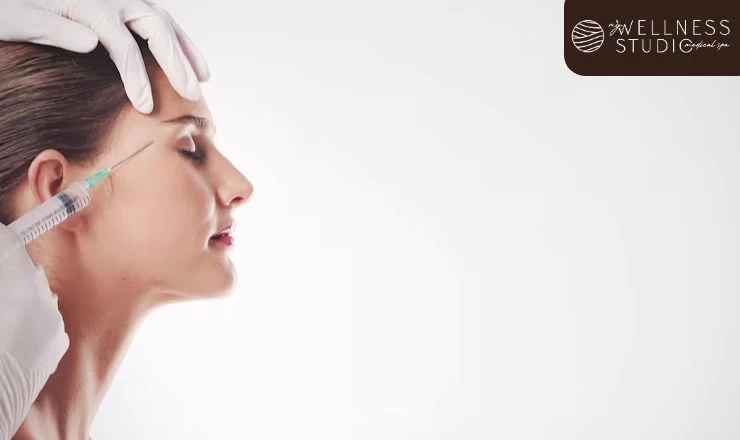
Healthy, vibrant hair starts at the scalp. For many individuals, maintaining thick, strong, and youthful hair can be a challenge due to genetics, stress, hormonal changes, aging, or environmental factors. Hair restoration and scalp therapy offers a comprehensive approach to address these challenges by focusing on the root cause of hair issues, promoting scalp health, and stimulating natural hair growth.
Modern hair and scalp treatments combine advanced medical techniques with wellness principles, ensuring that each client receives personalized care tailored to their unique needs. From non-surgical therapies that enhance hair density to surgical procedures for more significant hair restoration, these treatments provide effective solutions for a wide range of hair concerns. Beyond aesthetics, healthy hair contributes to overall confidence, self-esteem, and a sense of well-being, making scalp and hair care a key component of holistic wellness.
Understanding Hair Loss: Causes & Types
Hair loss is a common issue that affects millions of people worldwide, and understanding its root causes is essential for effective treatment. One of the most prevalent causes is genetic predisposition, often referred to as androgenetic alopecia or pattern baldness. Hormonal imbalances, stress, nutritional deficiencies, and medical conditions can also contribute to hair thinning and shedding.
There are several types of hair loss, including diffuse thinning, where hair gradually loses density across the scalp, and patchy hair loss, such as alopecia areata, which results in localized bald spots. Telogen effluvium is another common form, often triggered by stress, illness, or medications, leading to temporary shedding of hair.
Understanding the type and underlying cause of hair loss is critical to selecting the most effective treatment. Personalized hair restoration plans, tailored to an individual’s hair type, scalp condition, and goals, are essential for achieving optimal results. By addressing both the health of the scalp and the hair follicles, treatments can stimulate natural growth, strengthen existing hair, and restore confidence and vitality.
How Hair Restoration and Scalp Therapy Works
Hair restoration and scalp therapy work by targeting the underlying causes of hair loss and stimulating the scalp to promote natural hair growth. Healthy hair begins at the follicle, and any disruption in the scalp environment, such as poor circulation, inflammation, or nutrient deficiencies, can affect hair density and strength. Modern treatments focus on nourishing follicles, improving blood flow, and creating an optimal environment for hair to grow.
Non-surgical methods often stimulate the scalp using techniques like microneedling, PRP therapy, and targeted topical treatments. These approaches increase collagen production, activate dormant hair follicles, and strengthen existing strands. In surgical options, such as hair transplants, healthy follicles are repositioned to thinning or bald areas to restore density and achieve a natural appearance.
The effectiveness of hair restoration lies in its combination of science and personalization. Each client receives a treatment plan based on their hair type, scalp condition, and specific goals. By addressing both the surface health of the scalp and the underlying follicle function, these therapies provide long-term, sustainable results, enhancing both hair appearance and overall confidence.
Non-Surgical
Non-surgical hair restoration techniques are increasingly popular due to their effectiveness, minimal downtime, and natural results. PRP therapy, or platelet-rich plasma therapy, uses the patient’s own blood to deliver concentrated growth factors directly to the scalp. These growth factors stimulate follicle activity, improve circulation, and promote thicker, healthier hair growth over multiple sessions.
Microneedling is another widely used technique, often combined with PRP or specialized serums. By creating controlled micro-injuries in the scalp, microneedling encourages collagen production and improves nutrient absorption, creating an environment that supports hair regeneration.
Topical
Non-surgical hair restoration is highly customizable. Professionals often combine PRP, microneedling, and targeted topicals to create a comprehensive regimen tailored to individual scalp conditions and hair goals. This approach allows clients to achieve noticeable results with minimal disruption to their daily routine, making it an attractive option for those seeking natural, effective hair rejuvenation.
Surgical Hair Restoration Options
For clients seeking long-lasting or permanent solutions to significant hair loss, surgical hair restoration offers highly effective results. The most common surgical techniques are FUT (Follicular Unit Transplantation) and FUE (Follicular Unit Extraction). FUT involves removing a strip of scalp from a donor area, usually at the back of the head, and transplanting follicular units to thinning or bald regions. FUE, a more advanced method, extracts individual hair follicles directly from the donor site and implants them in target areas, minimizing scarring and downtime.
Another surgical option is scalp micro-pigmentation (SMP), a technique that creates the appearance of fuller hair through specialized pigments applied to the scalp. SMP is ideal for individuals with thinning hair or those seeking to improve hairline definition without traditional transplants.
Surgical hair restoration requires careful planning, skilled execution, and post-operative care to ensure optimal results. The procedures are personalized to match hair density, direction, and overall aesthetics, providing natural-looking outcomes. Patients can expect a period of recovery during which transplanted follicles settle and new growth gradually appears, resulting in a restored, vibrant hairline over several months.
Benefits of Hair Restoration & Scalp Therapy
Hair restoration and scalp therapy provide numerous benefits beyond simply improving hair density. One of the most significant advantages is enhanced appearance and confidence. Restoring hair can dramatically improve facial aesthetics, helping clients feel more youthful and self-assured.
Another benefit is improved scalp health. Many treatments, both surgical and non-surgical, address underlying scalp issues such as poor circulation, inflammation, and nutrient deficiencies. Healthy follicles result in stronger, thicker hair and reduce the risk of future hair loss.
Hair restoration also offers long-term solutions. Surgical techniques provide permanent results, while non-surgical therapies like PRP and microneedling support ongoing follicle health and hair regeneration. Additionally, combining different treatments allows for customized plans that address specific hair loss patterns, scalp conditions, and personal goals.
Beyond aesthetics, the wellness aspect of hair restoration should not be overlooked. Clients often report improved mental well-being, reduced anxiety related to hair loss, and greater satisfaction with their overall appearance. By promoting both physical and psychological wellness, hair restoration and scalp therapy provide a comprehensive approach to hair care and personal confidence.
Who Can Benefit from Hair Restoration and Scalp Therapy
Hair restoration and scalp therapy are suitable for a wide range of individuals experiencing hair thinning, hair loss, or scalp concerns. Men and women with genetic hair loss, commonly known as androgenetic alopecia, can benefit significantly from both non-surgical and surgical treatments. Early intervention often produces the most effective and natural results.
Individuals experiencing hair loss due to stress, hormonal changes, or medical conditions such as thyroid imbalances, autoimmune disorders, or post-pregnancy shedding can also see meaningful improvements. Non-surgical treatments like PRP therapy, microneedling, and specialized topical regimens are particularly effective in these cases.
Those with thinning hair, receding hairlines, or patchy bald spots may consider surgical options, including FUE or FUT hair transplants, for long-lasting density restoration. Additionally, scalp micro-pigmentation is ideal for individuals seeking the appearance of fuller hair without invasive surgery.
Ultimately, anyone looking to enhance scalp health, stimulate hair growth, and restore confidence can benefit from a personalized hair restoration plan. A professional consultation is essential to assess the cause of hair loss, evaluate scalp condition, and recommend the most suitable treatment.
What to Expect During a Hair Restoration Session
Hair restoration sessions begin with a detailed consultation to evaluate hair loss patterns, scalp health, and personal goals. For non-surgical treatments, the session typically involves cleansing the scalp, applying topical solutions, and performing techniques like microneedling or PRP therapy. PRP involves drawing a small amount of blood, processing it to concentrate growth factors, and injecting it into the scalp to stimulate hair follicles.
Non-surgical sessions are usually comfortable and minimally invasive, lasting between 30 and 60 minutes. Clients may experience mild redness, tenderness, or tingling at the treatment site, which generally subsides within a few hours or days.
For surgical hair restoration, the process is more involved. Hair follicles are carefully harvested from a donor site and transplanted to thinning or bald areas. Anesthesia ensures comfort during the procedure, and post-operative instructions are provided to support healing and optimize results. Recovery may take several days to weeks, with new hair growth gradually appearing over the following months.
Whether non-surgical or surgical, professional guidance ensures that each session is tailored to the individual’s needs, maximizing effectiveness while maintaining safety and comfort.
Safety, Side Effects, and Recovery
Hair restoration and scalp therapy are generally safe when performed by trained professionals in controlled medical environments. Non-surgical treatments such as PRP therapy, microneedling, and topical solutions carry minimal risk. Temporary side effects may include mild redness, swelling, tenderness, or slight scalp irritation, which typically resolves within a few hours to a couple of days.
Surgical hair restoration, including FUT and FUE procedures, is safe but involves a longer recovery period. Patients may experience mild discomfort, swelling, or scabbing at both the donor and recipient sites. Proper post-operative care, including avoiding strenuous activity and following professional instructions, is essential for optimal healing and natural-looking results.
Pre-treatment consultations are crucial to assess medical history, hair loss patterns, and scalp health. This ensures that the selected treatment is appropriate for the individual, reducing potential risks. With expert guidance, both non-surgical and surgical hair restoration methods provide effective, safe, and predictable outcomes.
How to Maintain Healthy Hair and Scalp Long-Term
Maintaining the results of hair restoration and promoting long-term scalp health requires a combination of professional treatments and healthy lifestyle habits. For non-surgical treatments, periodic sessions, such as PRP or microneedling, are recommended to sustain hair growth and strengthen follicles.
A balanced diet rich in vitamins, minerals, and proteins supports hair health, while proper hydration and scalp care maintain follicle function. Avoiding excessive heat, harsh chemicals, smoking, and stress can also prevent further hair loss.
For surgical restoration, results are typically long-lasting, but clients should continue supporting scalp health with a proper care regimen. Regular check-ins with a hair restoration specialist allow for monitoring of progress, adjustments in treatment, and guidance on ongoing maintenance.
Combining professional interventions with lifestyle adjustments ensures that hair remains thick, healthy, and vibrant. A holistic approach maximizes the benefits of hair restoration, supporting not only appearance but overall confidence and wellness.
Common Myths & Facts About Hair Restoration
Myth: Hair restoration is only for men
Fact: Both men and women can benefit from hair restoration treatments, as hair thinning and loss affect all genders.
Myth: Non-surgical treatments don’t work
Fact: Treatments like PRP therapy, microneedling, and specialized serums are clinically proven to stimulate hair growth and strengthen follicles.
Myth: Hair transplants look unnatural
Fact: Modern surgical techniques like FUE and FUT provide natural-looking results when performed by skilled professionals.
Myth: Hair restoration is painful
Fact: Most non-surgical treatments involve minimal discomfort, and surgical procedures are performed under anesthesia to ensure comfort.
Myth: Results are immediate
Fact: Hair restoration requires time; new growth typically appears gradually over weeks to months, depending on the treatment type.
Tips for Choosing the Right Hair Restoration Treatment
Consult a professional: Always seek guidance from an experienced specialist to assess hair loss type and scalp health.
Determine your goals: Decide whether you want subtle improvement, restoration of significant hair loss, or enhanced density.
Consider downtime: Non-surgical treatments have minimal recovery, while surgical options may require longer healing.
Evaluate treatment options: Explore combinations of PRP, microneedling, topical therapies, and surgical techniques for optimal results.
Plan for maintenance: Understand that ongoing care or follow-up sessions may be necessary to sustain results.
Hair Restoration for Different Age Groups
Hair restoration and scalp therapy are effective for individuals across different age groups, each with unique needs and goals. Young adults experiencing early-stage hair thinning or shedding can benefit from non-surgical treatments such as PRP therapy, microneedling, and topical regimens. These interventions stimulate follicle activity and strengthen existing hair, preventing further loss.
Middle-aged adults often face progressive thinning and may require a combination of non-surgical and surgical treatments to restore density and improve overall scalp health. Customized care plans help address age-related changes, hormonal shifts, and nutritional deficiencies that impact hair quality.
Older adults may experience more significant hair loss or bald patches, making surgical options such as FUE or FUT hair transplants, sometimes combined with non-surgical therapies, the most effective solutions. Across all ages, personalized treatment plans ensure natural-looking results, improved hair density, and long-term scalp wellness.
Frequently Asked Questions (FAQs)
Is hair restoration safe?
Yes. Both non-surgical and surgical treatments are safe when performed by trained professionals. Minor side effects like temporary redness, swelling, or tenderness are common.
How long does it take to see results?
Results appear gradually. Non-surgical treatments may show improvement within a few weeks, while surgical hair transplants usually produce noticeable growth over several months.
Can hair restoration be combined with other treatments?
Yes. Many clients combine PRP, microneedling, and topical therapies, or surgical procedures with post-operative care, for optimal results.
Does hair restoration hurt?
Non-surgical treatments are minimally invasive and cause little discomfort. Surgical procedures are performed under anesthesia for a comfortable experience.
How long do results last?
Surgical results are generally long-lasting, while non-surgical results require periodic maintenance to sustain hair health and growth.
Final Thoughts
Hair restoration and scalp therapy offer safe, effective, and customizable solutions for anyone experiencing hair thinning, shedding, or hair loss. By addressing both scalp health and follicle stimulation, these treatments restore hair density, improve strength, and enhance overall appearance and confidence.
At My Wellness Studio, our experienced professionals provide personalized hair restoration plans tailored to each client’s unique needs. Whether through non-surgical techniques, surgical options, or a combination of both, every session is designed for comfort, safety, and maximum effectiveness.
Take the first step toward healthier, thicker, and more vibrant hair. Visit My Wellness Studio to schedule your consultation and explore the full range of hair restoration and scalp therapy treatments. With expert guidance and personalized care, achieving a revitalized, confident look has never been easier.