



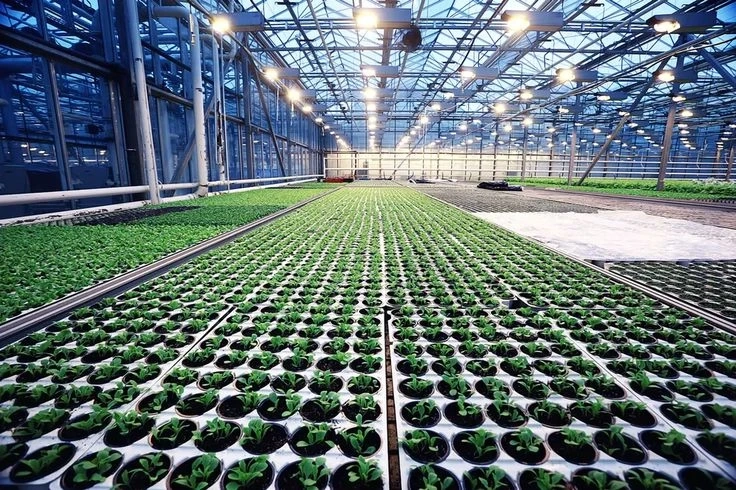
Greenhouse farming allows growers to cultivate crops year-round, regardless of external weather conditions. However, natural sunlight alone may not always be sufficient for optimal plant growth. This is where Greenhouse Grow Lights play a critical role in supplementing light levels, ensuring plants receive the right spectrum for photosynthesis. Choosing the right lighting system can make a significant difference in plant health, yield, and energy efficiency.
In this blog, we’ll explore the different types of Greenhouse Grow Lights, their benefits, and how brands like California LightWorks provide high-quality solutions for greenhouse growers.
Introduction to Greenhouse Grow Lights
In controlled agricultural environments, proper lighting is one of the most important factors affecting plant growth and productivity. Greenhouse Grow Lights provide the supplemental light required for plants to carry out photosynthesis efficiently, especially during seasons with shorter daylight hours.
Different types of grow lights offer various light spectrums, intensities, and efficiencies, allowing growers to optimize plant growth depending on their crop type and greenhouse setup.
Types of Greenhouse Grow Lights
Several types of Greenhouse Grow Lights are available, each with unique features and advantages. Selecting the right one depends on plant needs, energy efficiency, and long-term cost savings.
High-Pressure Sodium (HPS) Lights
HPS lights have been widely used in commercial greenhouses for decades due to their high efficiency in producing light in the red and orange spectrum, which promotes flowering and fruiting.
Pros:
- High light output
- Well-suited for flowering and fruiting plants
- Long lifespan compared to older lighting technologies
Cons:
- Produces excess heat, requiring cooling systems
- Consumes more electricity than modern LED alternatives
- Limited blue spectrum, making it less ideal for vegetative growth
Metal Halide (MH) Lights
Metal halide lights emit a blue spectrum that is ideal for vegetative growth. They are often used as a complement to HPS lights or for plants that require more blue light.
Pros:
- Supports healthy vegetative growth
- Works well for leafy greens and herbs
- Better color rendering for plant observation
Cons:
- Lower efficiency compared to HPS and LED lights
- Higher heat output
- Shorter lifespan than LEDs
Fluorescent Grow Lights
Fluorescent lights, such as T5 and compact fluorescent lamps (CFLs), are mainly used for seedlings, microgreens, and low-light plants.
Pros:
- Affordable and easy to install
- Low heat output, reducing cooling requirements
- Suitable for small-scale growers and propagation
Cons:
- Lower light intensity than HPS and LED lights
- Less effective for large-scale greenhouse operations
- Shorter lifespan than LEDs
Light-Emitting Diodes (LED) Grow Lights
LED technology has transformed the Greenhouse Grow Lights industry by offering energy-efficient, long-lasting solutions with full-spectrum lighting capabilities. Brands like California LightWorks provide advanced LED systems designed to optimize plant growth while reducing operational costs.
Pros:
- High energy efficiency, reducing electricity costs
- Long lifespan (up to 50,000 hours)
- Customizable spectrum for different plant growth stages
- Low heat output, minimizing the need for cooling systems
Cons:
- Higher initial investment compared to traditional lights
- Some low-quality LED options may not deliver optimal performance
Benefits of Using Greenhouse Grow Lights
Using Greenhouse Grow Lights provides several advantages, making them essential for maximizing crop productivity.
1. Year-Round Crop Production
With the right lighting, growers can maintain consistent yields regardless of seasonal variations in natural sunlight. This is particularly beneficial for commercial greenhouse operators.
2. Improved Plant Health and Growth
Proper light distribution enhances photosynthesis, leading to healthier plants with stronger root systems and improved disease resistance.
3. Customizable Light Spectrum
Modern LED Greenhouse Grow Lights allow growers to adjust light spectrums based on the plant’s specific growth stage, optimizing results from seedling to harvest.
4. Energy Efficiency and Cost Savings
LED lights, such as those from California LightWorks, consume less electricity while delivering superior performance, making them a cost-effective choice in the long run.
5. Reduced Heat Output
Unlike traditional HPS or MH lights, LED Greenhouse Grow Lights generate minimal heat, preventing plant stress and lowering cooling system expenses.
Choosing the Right Greenhouse Grow Lights
Selecting the best Greenhouse Grow Lights depends on several factors:
1. Crop Type
Different plants require specific light spectrums. For example:
- Leafy greens thrive under blue light
- Flowering plants need more red and orange light
2. Greenhouse Size
Larger greenhouses may require high-intensity LED systems, while smaller setups might benefit from compact fluorescent lights or lower-wattage LEDs.
3. Energy Efficiency
LED lights are the most energy-efficient choice, reducing operational costs over time.
4. Durability and Maintenance
High-quality brands like California LightWorks offer reliable solutions with long lifespans, reducing the need for frequent replacements.
Why Choose California LightWorks for Greenhouse Grow Lights?
California LightWorks is a leading provider of advanced LED Greenhouse Grow Lights, offering innovative solutions for greenhouse cultivation.
- Precision Lighting Technology – Their LED systems provide a tailored spectrum for optimal plant growth.
- Energy Savings – Their LED grow lights use less electricity while maintaining high output.
- Longevity – With a long lifespan, their products require minimal maintenance, reducing replacement costs.
- Proven Results – Many greenhouse growers trust California LightWorks for consistent plant growth and high yields.
Conclusion
Selecting the right Greenhouse Grow Lights is a key factor in achieving successful greenhouse farming. With a variety of options available, understanding the benefits and applications of each type helps growers make informed decisions. LED lights, especially those from California LightWorks, offer superior performance, energy savings, and optimal plant growth, making them an excellent choice for modern greenhouse cultivation.
FAQs
1. How do Greenhouse Grow Lights help plants grow?
Greenhouse Grow Lights supplement natural sunlight, providing plants with the necessary spectrum for photosynthesis, leading to healthier growth and higher yields.
2. Which Greenhouse Grow Lights are best for vegetable cultivation?
LED lights, especially those with adjustable spectrums, are the best option for vegetable cultivation, as they provide the ideal balance of blue and red light.
3. Are LED Greenhouse Grow Lights better than HPS lights?
Yes, LED lights are more energy-efficient, have a longer lifespan, and produce less heat compared to HPS lights, making them a better investment for long-term use.
4. How long should Greenhouse Grow Lights be on each day?
This depends on the crop, but most plants require 12-16 hours of light per day for optimal growth.
5. What is the best brand for Greenhouse Grow Lights?
California LightWorks is one of the top brands, known for high-quality, energy-efficient LED lighting solutions tailored for greenhouse cultivation.