



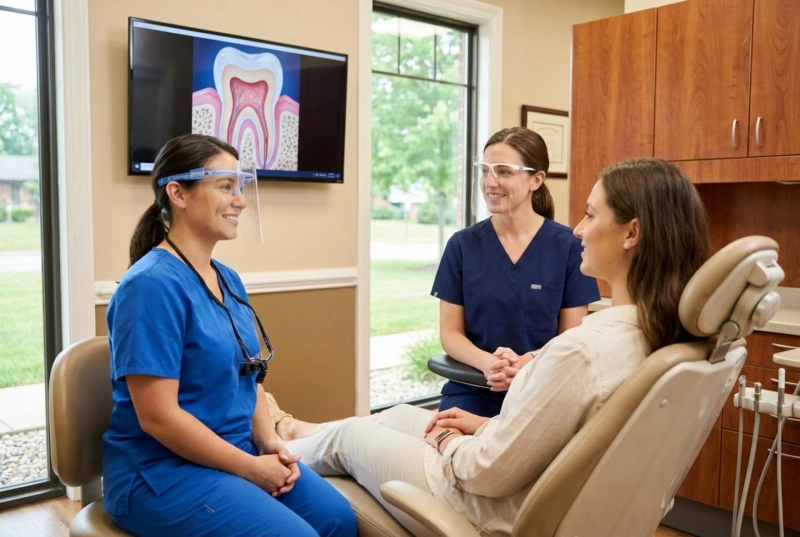
The words "root canal" have sent shivers down spines for decades. Maybe your uncle told you horror stories from the 1980s, or you've absorbed the cultural myth that this procedure ranks among life's worst experiences. Here's the reality: that reputation is about 30 years out of date. Modern endodontic treatment bears almost no resemblance to what previous generations endured. With contemporary anesthesia, precision instruments, and techniques refined over decades of research, saving your natural teeth through root canal therapy has become a genuinely comfortable experience. Most patients report the procedure feels similar to getting a standard filling. The goal is straightforward: eliminate infection, preserve your tooth, and get you back to your life with minimal downtime. If you've been putting off necessary dental work because of fear, understanding how gentle root canals work today might change your perspective entirely.
The Importance of Preserving Your Natural Teeth
Your natural teeth are irreplaceable biological structures that took years to develop. Each tooth contains living tissue, nerve endings, and a complex root system that anchors it securely into your jawbone. When infection threatens a tooth, extraction might seem like the simplest solution, but removing a tooth triggers a cascade of consequences most people don't anticipate.
Why Natural Teeth Outperform Implants and Bridges
Dental implants have improved dramatically, but they're still artificial replacements for something your body created perfectly. Natural teeth have periodontal ligaments that act as shock absorbers, distributing bite forces evenly and providing sensory feedback that tells your brain exactly how hard you're biting. Implants lack this feedback mechanism entirely.
The cost difference is substantial too. A single dental implant typically runs between $3,000 and $6,000, while a root canal with a crown costs roughly half that amount. Natural teeth also don't require the months-long healing process that implants demand before you can chew normally.
The Long-Term Health Benefits of Saving Your Smile
When you lose a tooth, the bone that once supported it begins deteriorating within months. This bone loss can affect neighboring teeth, causing them to shift and potentially requiring additional dental work. Your bite alignment changes, sometimes leading to jaw pain or TMJ issues, issues that can be assessed early when you visit Burwood Diamond Dental website.
Preserving natural teeth maintains facial structure. The bone stimulation from normal chewing keeps your jaw strong and prevents the sunken appearance that often accompanies tooth loss. Your natural teeth also provide better chewing efficiency, which affects digestion and nutrition absorption.
Debunking the Myth: Root Canals Without the Pain
The root canal reputation problem stems from a simple misunderstanding. People associate the procedure with pain because they arrived at the dentist already in agony from infection. The procedure itself actually eliminates that pain.
Modern Anesthesia and Sedation Options
Contemporary dental anesthesia is remarkably effective. Endodontists use targeted injection techniques that numb the specific tooth and surrounding area completely. Most patients feel nothing beyond slight pressure during the procedure.
For patients with dental anxiety, sedation options range from mild oral sedatives to IV sedation. Nitrous oxide provides relaxation while keeping you conscious and responsive. Some practices offer complete sedation for patients who simply cannot tolerate dental procedures while awake. The point is this: no one should avoid necessary treatment because of fear when so many comfort options exist.
Advanced Endodontic Technology for Precision
Digital X-rays expose patients to 80% less radiation than traditional film while producing clearer images. Endodontists now use operating microscopes that magnify the treatment area up to 25 times, allowing them to see canal structures invisible to the naked eye.
Rotary instruments have replaced the manual files of previous decades. These powered tools clean canals more thoroughly and efficiently, reducing procedure time significantly. Electronic apex locators determine exact canal lengths without multiple X-rays. Ultrasonic instruments clean areas that were previously unreachable. The technology gap between a root canal in 1990 and one performed today is enormous.
Signs You Might Need a Root Canal Procedure
Recognizing symptoms early can mean the difference between saving a tooth comfortably and facing emergency treatment. The pulp tissue inside your tooth can become infected through deep decay, cracks, or repeated dental procedures on the same tooth.
Identifying Persistent Pain and Sensitivity
Tooth pain that wakes you at night or throbs constantly often indicates pulp infection. The pain might radiate to your jaw, ear, or other teeth, making it difficult to pinpoint the source. Temperature sensitivity that lingers long after the hot or cold stimulus is removed suggests nerve damage.
Pay attention to pain that intensifies when you bite down or tap on a specific tooth. This pressure sensitivity often indicates infection at the root tip. Some patients notice pain that seems to come and go over weeks or months before becoming constant.
Visual Indicators: Swelling and Discoloration
A tooth that appears darker than its neighbors may have dying or dead pulp tissue. This discoloration happens as blood breakdown products seep into the tooth structure. The change is often subtle at first but becomes more noticeable over time.
Swelling in the gum tissue near a specific tooth warrants immediate attention. A small bump that resembles a pimple on your gums, called a fistula, indicates your body is trying to drain infection. Facial swelling or swelling that extends to your neck requires urgent care, as dental infections can spread rapidly and become serious.
The Step-by-Step Process of a Gentle Root Canal
Understanding what happens during treatment often reduces anxiety significantly. The entire procedure typically takes 60 to 90 minutes for a single-rooted tooth, though molars with multiple canals may require longer or a second appointment.
Cleaning and Disinfecting the Root Chambers
After numbing the area completely, your endodontist places a rubber dam around the tooth. This thin sheet isolates the treatment area, keeping it dry and preventing bacteria from your saliva from entering the tooth. You'll breathe normally through your nose.
The dentist creates a small opening in the tooth's crown to access the pulp chamber. Using progressively larger files, they remove the infected or damaged pulp tissue from each canal. Irrigation solutions flush out debris and kill remaining bacteria. This cleaning process is meticulous because leaving any infected tissue behind risks treatment failure.
Sealing and Strengthening the Tooth Structure
Once the canals are completely clean and shaped, they're filled with a biocompatible rubber material called gutta-percha. This material, combined with adhesive cement, seals the canal system against future bacterial invasion. The access opening receives a temporary or permanent filling.
Most teeth that undergo root canal treatment need a crown for protection. The procedure removes significant tooth structure, and the tooth becomes more brittle without its living pulp. A crown distributes chewing forces and prevents fracture. Your dentist will discuss timing for crown placement based on your specific situation.
Post-Procedure Care and Quick Recovery Tips
Recovery from root canal treatment is straightforward for most patients. The tooth and surrounding area may feel tender for a few days as inflammation subsides, but severe pain is uncommon and should prompt a call to your dentist.
Managing Mild Discomfort at Home
Over-the-counter pain relievers handle post-procedure discomfort effectively for most people. Ibuprofen works particularly well because it reduces inflammation alongside pain. Take it before the anesthesia wears off for smoother recovery.
Avoid chewing on the treated tooth until your permanent restoration is complete. Stick to softer foods for the first day or two. Cold compresses applied to the outside of your cheek can reduce any swelling. Most patients return to normal activities the next day, though some prefer taking it easy for 24 hours.
Maintaining Your Restored Tooth for a Lifetime
A properly treated and restored tooth can last decades, often a lifetime. Regular brushing, flossing, and dental checkups protect your investment. The tooth no longer has nerve sensation, so you won't feel decay developing, making professional examinations essential.
Avoid using treated teeth to crack nuts, chew ice, or open packages. Even with a crown, excessive force can cause fractures. If you grind your teeth at night, a nightguard protects all your dental work. With reasonable care, your saved natural tooth will serve you well for years to come.
Your Smile Deserves Preservation
Saving your natural teeth with minimal discomfort isn't just possible; it's the standard outcome for modern root canal treatment. The procedure that terrified previous generations has evolved into a routine, comfortable experience that preserves what nature gave you. If you've been avoiding the dentist because of fear, consider scheduling a consultation to discuss your options. Today's gentle root canal techniques mean you don't have to choose between your comfort and your dental health. Your natural teeth are worth saving, and the technology exists to do exactly that without the pain you might expect.