



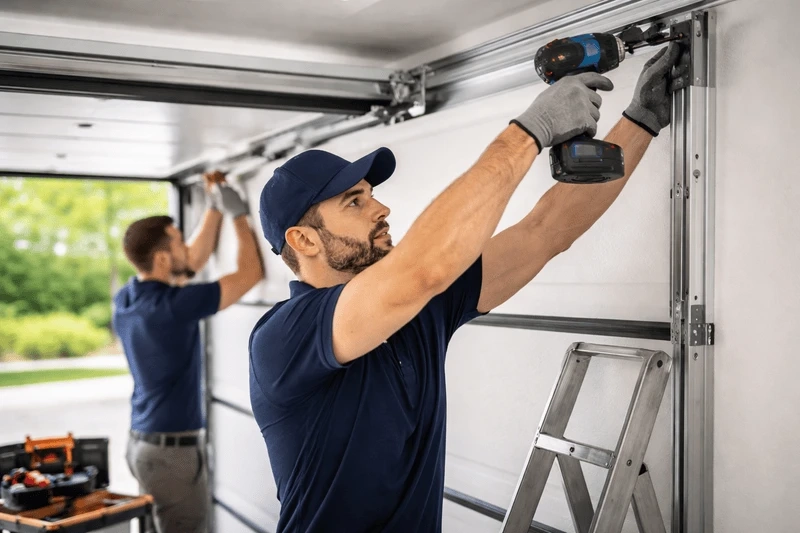
Garage Door installation is often treated as a straightforward upgrade, yet it plays a larger role in how a home functions, feels, and performs over time. Beyond providing secure vehicle access, a garage door influences street appeal, daily convenience, energy efficiency, and even long-term maintenance costs. When installation decisions are rushed or based only on appearance, homeowners may encounter avoidable issues later.
Across Australian homes, garages are no longer just storage spaces. They may act as secondary entry points, workshops, home gyms, or temperature-sensitive storage areas. Because of this shift, the way a garage door is selected and installed deserves careful thought rather than last-minute decision-making.
Why installation quality matters as much as the door itself
A garage door may be manufactured to high standards, yet poor installation may undermine its performance. Tracks that are misaligned, motors that are incorrectly calibrated, or panels that are unevenly balanced often lead to operational issues. These problems may not appear immediately, which makes them easy to overlook during handover.
Garage Door installation sets the foundation for how smoothly the system operates day to day. A well-installed door tends to open evenly, seal properly, and place less strain on moving components. Over time, this may reduce wear and minimise the likelihood of unexpected repairs.
Home maintenance discussions, including those published on home improvement features and property care articles, frequently point out that installation quality influences lifespan more than many homeowners expect.
Different garage door types and how installation varies
Not all garage doors behave the same way during installation. Sectional doors, roller doors, tilt doors, and custom designs each require different handling and setup. Ceiling height, side room, headroom clearance, and structural support all affect how a door is fitted.
For example, sectional doors rely on precise track alignment to ensure panels move smoothly along curves. Roller doors depend on correct drum tension and axle positioning to avoid uneven rolling. Tilt doors require accurate pivot placement to prevent scraping or jamming.
Garage Door installation therefore needs to be tailored to the specific door type rather than approached as a generic task. This is one reason experienced installers focus heavily on site assessment before recommending a solution.
Measuring and preparation are often underestimated
Accurate measurements form the backbone of successful installation. Even small discrepancies in width, height, or structural squareness may cause issues once the door is in place. Brickwork, concrete floors, and timber framing are rarely perfectly straight, particularly in older homes.
Professional installers usually check more than the opening size. They assess ceiling structure, wall strength, and how the door integrates with existing access points. Preparation may include reinforcing framing, adjusting lintels, or planning for motor placement.
When preparation is thorough, Garage Door installation tends to progress smoothly. When it is rushed, compromises often show up later in the form of noise, gaps, or uneven movement.
Automation and modern operating systems
Automatic garage doors have become the standard in many households. Motors, sensors, and remote systems add convenience, yet they also introduce complexity. Installation needs to account for power supply, safety compliance, and smooth communication between mechanical and electronic components.
Incorrect motor alignment or sensor placement may cause doors to reverse unexpectedly or fail to close properly. These issues are often attributed to the motor itself, yet they frequently stem from installation errors rather than faulty equipment.
Homeowners researching automated options often come across references to modern garage door solutions in broader discussions about how contemporary systems integrate safety, security, and everyday usability when installed correctly.
Safety considerations during and after installation
Garage doors are heavy, tensioned systems. Springs, cables, and tracks operate under significant force. Incorrect handling during installation may pose safety risks not only during fitting but throughout the door’s lifespan.
A properly installed door distributes load evenly across components. Springs are tensioned correctly, safety cables are secured, and moving parts operate within designed tolerances. This reduces the risk of sudden failure or uncontrolled movement.
Garage Door installation that prioritises safety also ensures compliance with Australian standards, particularly for automated systems with obstruction detection and manual override features.
Energy efficiency and sealing performance
Garages increasingly connect directly to living spaces. Poorly sealed garage doors may allow heat, cold air, dust, or moisture to enter the home. Over time, this affects indoor comfort and may contribute to higher energy usage.
Installation quality plays a key role in sealing performance. Gaps around edges, uneven panel alignment, or inadequate weather seals often result from rushed fitting rather than product limitations.
When Garage Door installation is carried out with attention to alignment and sealing, the door may contribute to a more stable internal environment, particularly in homes where the garage shares walls with living areas.
Visual alignment and street appeal
From the street, the garage door often occupies a large portion of the home’s façade. Even subtle installation issues, such as uneven panel spacing or off-centre placement, may detract from the overall appearance.
A well-installed door sits square within the opening, aligns with architectural lines, and complements surrounding finishes. These details matter, particularly in newer developments or streets with cohesive design guidelines.
Design and renovation commentary on platforms like The OmniBuzz often highlights how functional upgrades, when executed carefully, may enhance rather than disrupt a home’s visual balance.
Retrofitting versus new builds
Installation challenges differ between new builds and existing homes. New constructions usually allow for doors to be planned into the structure, with appropriate clearances and supports built in. Retrofitting older garages may involve working around irregular openings, uneven floors, or legacy structures.
In retrofit scenarios, Garage Door installation often requires additional adjustments. Installers may need to modify tracks, reinforce walls, or adapt mounting points to suit the existing building. This adaptability is where experience becomes particularly valuable.
Understanding whether a project is a straightforward replacement or a complex retrofit helps set realistic expectations around timeframes and outcomes.
Maintenance implications linked to installation
Ongoing maintenance is influenced by how well a door is installed. Doors that operate smoothly from the outset tend to require fewer adjustments over time. Components experience balanced wear, which may extend service intervals.
Conversely, poorly installed doors often need frequent tuning. Rollers wear unevenly, tracks shift, and motors compensate for resistance they were not designed to handle. These issues add cost and inconvenience over time.
Garage Door installation that focuses on precision and balance supports easier maintenance and more predictable performance.
Common misconceptions about garage door installation
One common misconception is that installation is interchangeable between providers. In reality, methods, attention to detail, and problem-solving approaches vary significantly. Another assumption is that all issues are product-related, when many stem from fitting rather than manufacturing.
Some homeowners also underestimate how much installation influences noise levels. Rattling, grinding, or jerky movement often indicate alignment or tension issues rather than inherent design flaws.
Understanding these distinctions helps homeowners ask better questions and evaluate outcomes more effectively.
Planning installation as part of a broader home upgrade
Garage doors are often replaced alongside other improvements, such as driveways, façades, or security upgrades. Coordinating Garage Door installation with these works may improve results and reduce rework.
Considering access needs, electrical planning, and aesthetic integration early helps ensure the door supports rather than constrains future changes. This forward-thinking approach aligns with how many homeowners now view renovation planning.
A measured approach leads to better outcomes
Garage Door installation is not just a mechanical task. It combines structural assessment, precise fitting, safety compliance, and visual alignment. When approached carefully, it supports daily convenience, security, and long-term value.
Rather than focusing solely on door style or automation features, homeowners benefit from understanding how installation quality influences every aspect of performance. This awareness supports decisions that remain effective long after the initial upgrade.