



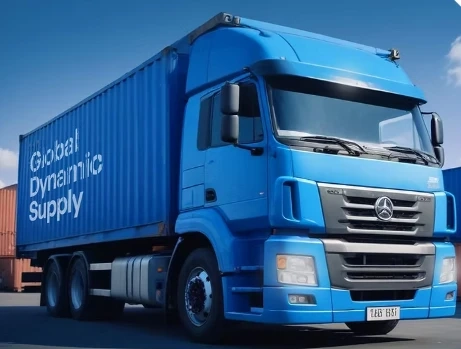
In a global marketplace shaped by uncertainty, logistics is no longer just about moving goods from one point to another. It is about managing risk at every stage of the journey. Port congestion, sudden regulatory changes, fuel price volatility, cyberattacks, labor shortages, and extreme weather events have turned supply chains into complex risk ecosystems. Businesses that fail to prepare for these realities often experience costly disruptions. This growing challenge has made logistics risk management solutions essential for organizations seeking stability, continuity, and long-term growth.
The Growing Risk Landscape in Logistics
Logistics risks have multiplied in both frequency and intensity. A single disruption can cascade across suppliers, warehouses, transportation networks, and customers. According to global supply chain research, nearly 80% of companies have faced significant logistics-related disruptions in recent years, and over 60% reported financial losses directly linked to delayed or interrupted deliveries.
These risks are not limited to large-scale crises. Even small, recurring issues—such as inconsistent carrier performance or inaccurate documentation—can quietly erode margins and customer trust over time. Without a structured framework to manage them, businesses are often forced into reactive decision-making, which increases costs and reduces operational control.
Why Logistics Risk Management Solutions Matter More Than Ever
Modern logistics risk management solutions focus on prevention, preparedness, and rapid response. Instead of waiting for problems to arise, they help organizations identify vulnerabilities early and implement safeguards that reduce exposure. This proactive mindset allows businesses to maintain service levels even when external conditions are unstable.
At the core of effective risk management is visibility. When companies can track shipments in real time, monitor supplier performance, and analyze transportation data, risks become measurable rather than speculative. Industry data shows that organizations with high supply chain visibility experience up to 25% fewer disruption-related delays compared to those with limited insight.
A Real-World Example of Risk in Action
A practical example can be seen during periods of widespread port congestion. When major ports faced severe backlogs, many businesses experienced delivery delays lasting several weeks. Retailers without contingency plans struggled with empty shelves and lost sales.
However, companies that had invested in logistics risk management solutions responded differently. By using alternative ports, diversifying carriers, and adjusting transportation modes, some were able to reduce delays by nearly 40%. This adaptability did not eliminate disruption entirely, but it significantly reduced its impact—demonstrating how preparation directly translates into resilience.
Data-Driven Risk Identification and Decision-Making
Data has become the backbone of modern logistics risk management. Historical transit times, supplier reliability metrics, weather trends, and geopolitical indicators can all be analyzed to forecast potential disruptions. Studies indicate that businesses using predictive analytics improve their risk response accuracy by more than 30%.
Inventory planning also benefits from data-driven insights. Rather than holding excess stock across all locations, companies can strategically position safety inventory in high-risk regions. This approach reduces carrying costs while maintaining service continuity. Smart inventory buffers are not about overstocking; they are about informed positioning.
Managing Compliance and Regulatory Risks
Cross-border logistics introduces regulatory complexity that can quickly turn into operational risk. Customs delays, classification errors, and sudden policy changes can halt shipments without warning. Trade compliance reports suggest that nearly 20% of international logistics disruptions are linked to documentation or regulatory issues.
Strong logistics risk management solutions integrate compliance into daily operations. Standardized documentation, proactive regulatory monitoring, and regular process audits help reduce exposure. When compliance is managed systematically, it becomes a stabilizing factor rather than a bottleneck.
The Human Side of Risk Management
While technology and data are critical, people remain a defining factor in risk management success. Teams trained to recognize early warning signs—such as repeated transit delays or supplier inconsistencies—can intervene before problems escalate. Organizations that invest in risk awareness training often recover from disruptions up to 50% faster than those without structured response plans.
Clear escalation procedures and communication channels also play a vital role. When responsibilities are defined in advance, decisions can be made quickly, even during high-pressure situations. This human-centered approach ensures that risk management is embedded into everyday operations, not treated as a one-time exercise.
Building Long-Term Resilience Through Strategic Partnerships
Effective risk management is rarely achieved in isolation. Collaboration with experienced logistics partners strengthens an organization’s ability to anticipate and manage uncertainty. Global Dynamic Supply Limited supports businesses by designing tailored risk mitigation strategies that align operational execution with strategic goals.
By combining visibility, analytics, compliance expertise, and contingency planning, organizations can move beyond short-term fixes and build resilient logistics frameworks that adapt to change.
Conclusion
In today’s unpredictable environment, disruption is inevitable—but failure is not. Businesses that adopt comprehensive logistics risk management solutions gain the ability to respond faster, recover sooner, and operate with confidence. Through proactive planning, intelligent data use, regulatory discipline, and a strong risk-aware culture, supply chains can transform uncertainty into a manageable, strategic advantage. Resilience is no longer optional; it is the foundation of sustainable logistics success.