



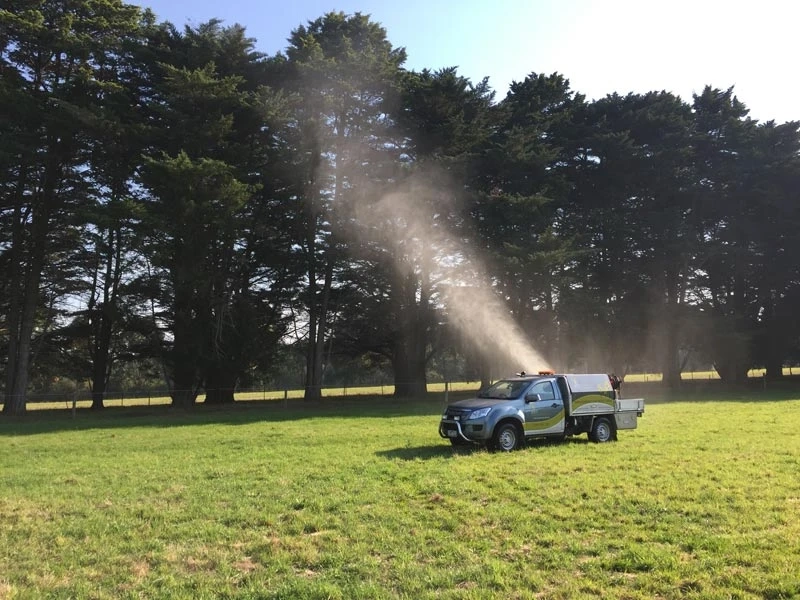
In recent years, arboriculture and forest management have entered a period of rapid technological transformation. Canopy spraying — traditionally a labor‑intensive and broadly applied pest control method — is evolving into a precise, efficient, and environmentally conscious practice. With pressures from climate change, invasive species, regulatory constraints, and sustainability goals, arborists and land managers are embracing innovations that promise safer, smarter, and more effective pest control.
The Shift from Broad Spectrum to Precision Application
Historically, canopy spraying has been associated with broad spectrum pesticide application. Ground crews or aerial platforms like helicopters would distribute spray across wide areas, often leading to over‑application, drift, and non‑target impacts. While effective at controlling pests, these methods have significant environmental costs, including contamination of soil and waterways, and risks to beneficial insects and wildlife.
Today, a new wave of technology is enabling precision application — targeting spray only where it’s needed. Variable‑rate technologies, coupled with real‑time sensors, adjust the volume and placement of chemicals based on canopy characteristics and pest presence. This means arborists can apply pest control only where infestation is detected, reducing chemical use and environmental impact significantly.
Drone Spraying: The Aerial Frontier
One of the most transformative innovations in canopy spraying is the integration of drones (Unmanned Aerial Vehicles or UAVs). Spraying drones were originally developed for agriculture, but their flexibility, precision, and efficiency make them invaluable for arboricultural pest control as well.
Key benefits of drone spraying include:
- Enhanced Precision: Drones use GPS and onboard sensors to follow programmed flight paths and apply spray directly to targeted sections of a canopy.
- Reduced Chemical Drift: Advanced nozzles and flight control allow controlled droplet size and directional airflow into the canopy, minimising drift.
- Access to Difficult Terrain: Drones can easily reach steep slopes, dense forests, or urban tree canopies that are inaccessible to tractors or ground crews.
- Faster Operations: Aerial spraying covers large areas quickly, cutting down labour time and allowing timely intervention during critical pest outbreaks.
Future spray drones will integrate AI and autonomy, enabling them to map, diagnose, and spray without direct human control. Swarm technology — coordinating multiple drones — will enable broad area coverage while maintaining precise application patterns.
Intelligent Sensing and Canopy Perception
Simply spraying chemicals isn’t enough; knowing where and when to spray is the next frontier. Advanced sensors — including LiDAR (Light Detection and Ranging), multispectral imaging, and thermal cameras — are being used to create detailed 3D models of tree canopies. These models can reveal canopy density, pest hotspots, moisture stress, and early signs of disease.
When integrated with canopy spraying systems, these sensors can:
- Detect pest presence before visible symptoms appear.
- Guide spraying machinery to apply inputs where needed.
- Adjust spray dosage automatically based on canopy structure.
This leads to smarter, data‑driven pest control strategies rather than routine, calendar‑based spraying. The result? Greater efficacy with less chemical input.
Autonomous Ground and Aerial Robotics
While drones dominate the aerial domain, autonomous ground robots are emerging to support canopy spraying from below. These unmanned ground vehicles (UGVs) can navigate orchards and forests, carrying tanks and sprayers that work in tandem with aerial drones. According to agricultural robotics research, aerial and ground robots can operate collaboratively — mapping, navigating, and performing targeted interventions without constant human input.
This collaborative approach enhances efficiency by:
- Combining the strengths of aerial reach and ground‑level accuracy.
- Reducing human exposure to chemicals and hazardous terrain.
- Increasing data collection and pest response capabilities.
As robotics technologies mature, fully autonomous spraying systems — where humans set objectives and the machines execute missions — will likely become standard in large arboricultural operations.
AI‑Driven Pest Prediction and Decision Support
Artificial intelligence (AI) isn’t just about autonomous machines — it’s about making better decisions. By analyzing weather patterns, historical pest outbreaks, canopy health data, and sensor inputs, AI systems can predict pest pressure before it peaks, allowing preventative intervention.
AI‑driven decision support systems can:
- Forecast pest outbreaks using climate and biological models.
- Recommend optimal spray timing and product selection.
- Adjust application rates dynamically based on real‑time conditions.
This data‑centric approach shifts arboricultural pest control from reactive to proactive, saving resources and improving outcomes.
Sustainable Chemical Alternatives and Endotherapy
Innovation isn’t limited to how we spray; it extends to what we spray. Arborists increasingly adopt eco‑friendly treatments, such as biopesticides, microbial agents, and natural deterrents that pose minimal risk to non‑target species. These products, combined with precision delivery systems, align pest control with environmental stewardship.
Another emerging method is endotherapy (tree injection), where pest control agents are injected directly into a tree’s vascular system, reducing environmental exposure associated with spray drift. This practice is gaining traction with improved formulations and delivery systems designed for efficient internal distribution.
Connectivity, Big Data & Integrated Platforms
The future of canopy spraying is interconnected. Spray systems will increasingly connect to broader farm or forest management platforms, integrating:
- IoT sensors tracking tree health and microclimate.
- Fleet management apps coordinating multiple machines.
- Weather forecasting modules that prevent spraying during adverse conditions.
These integrated platforms not only improve operational outcomes but also ensure compliance with environmental standards, boost traceability, and help document sustainable practices for certification or reporting.
Regulatory and Safety Advances
As technology advances, so do regulations govern spray application — especially aerial and drone spraying. Aviation authorities and environmental regulators are adapting rules to enable safe and responsible use of autonomous systems. While safety and compliance remain priorities, evolving frameworks will permit more sophisticated aerial operations, including beyond‑visual‑line‑of‑sight (BVLOS) flights under controlled conditions.
These regulatory developments will facilitate wider adoption of advanced canopy spraying technologies while safeguarding public and environmental health.
Conclusion: A New Era of Precision Arboriculture
Canopy spraying is no longer a blunt instrument for pest control; it’s evolving into a refined, technology‑driven practice that balances efficacy, sustainability, and cost‑effectiveness. From drones and robotics to AI‑powered decision support and advanced sensors, innovations are reshaping how arboricultural disease control specialists protect tree health.
By embracing these technologies, arboricultural professionals can:
- Improve pest control precision while reducing chemical use.
- Protect non‑target organisms and surrounding ecosystems.
- Enhance operational safety and reduce labour demands.
- Make data‑driven decisions that anticipate pest challenges.
As we look to the future, the integration of intelligent hardware, software, and sustainable chemistry will ensure that canopy spraying is not just more efficient — it’s smarter, greener, and better suited to the ecological realities of a changing world.