



Discover everything you need to know about furniture hinges. Learn about the types, features, and how to choose the right hinge for your furniture.
When it comes to assembling or repairing furniture, one of the most overlooked components is the hinge. Yet, these small yet essential hardware pieces play a crucial role in ensuring that doors, cabinets, and drawers function smoothly and securely. This guide provides you with an in-depth understanding of the different types of hinges for furniture, their uses, and how to select the best one for your needs.
What Are Furniture Hinges?
Furniture hinges are mechanical devices used to attach two objects, such as a door and its frame, allowing them to rotate relative to one another. They are essential for smooth operation in various furniture pieces like cabinets, chests, and doors. Without these hinges, many of the everyday furniture pieces we rely on would be difficult to use.
Types of Hinges for Furniture
There are several types of furniture hinges available in the market, each designed to meet specific needs and preferences. Below are some of the most common types:
1. Butt Hinges
Butt hinges are the most common type of hinge and are widely used for furniture doors. They consist of two interlocking leaves that fit together, allowing for smooth opening and closing. These hinges are typically installed on the edge of the door and the doorframe.
- Pros:
- Versatile and easy to install.
- Available in a variety of sizes and finishes.
- Commonly used for doors, windows, and cabinets.
- Cons:
- May not be ideal for heavy-duty applications.
2. Concealed Hinges
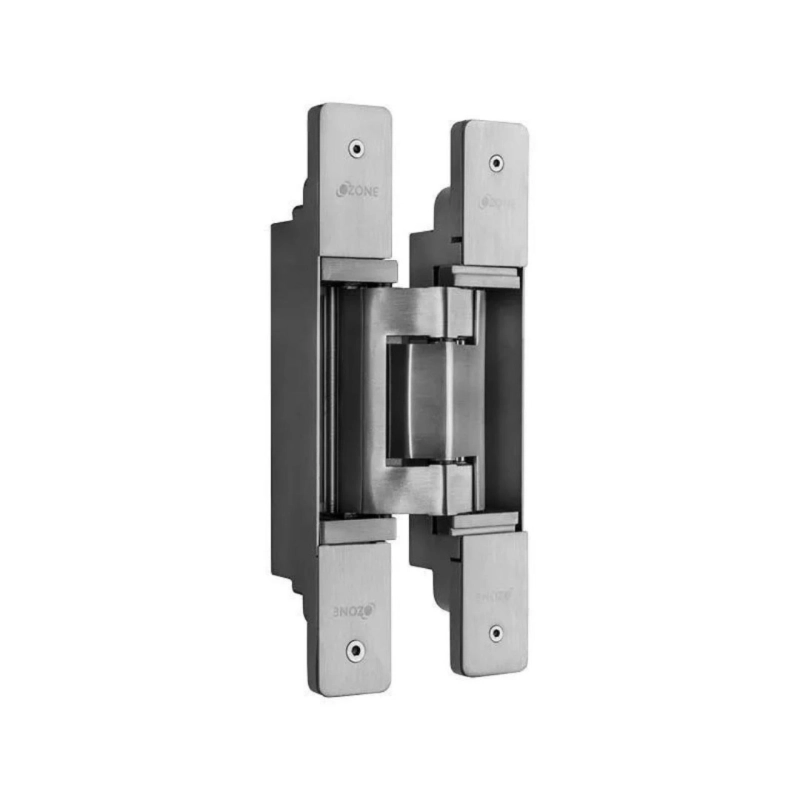
Also known as European hinges, concealed hinges are commonly used in modern kitchen and bathroom cabinets. These hinges are hidden when the door is closed, providing a clean, sleek look. They allow the door to open 90 to 180 degrees.
- Pros:
- Provide a clean, modern appearance.
- Allow for more precise adjustments.
- Perfect for frameless cabinets.
- Cons:
- Installation can be more complex compared to butt hinges.
3. Pivot Hinges
Pivot hinges are designed to support doors that rotate on a fixed point, rather than swinging on a hinge pin. They are commonly used for larger, heavier doors like pantry doors or wardrobe doors.
- Pros:
- Suitable for heavy and large doors.
- Provides smooth, uninterrupted opening.
- Cons:
- Requires precise installation and alignment.
4. Continuous Hinges
Continuous hinges, also known as piano hinges, run the full length of the door or lid. They are ideal for larger pieces of furniture that need a durable and heavy-duty hinge. These hinges are typically used in applications like wooden chests, cabinets, and certain types of furniture lids.
- Pros:
- Offers maximum durability.
- Provides even weight distribution along the door.
- Cons:
- Requires a long hinge, which may not be suitable for smaller doors or drawers.
5. Decorative Hinges
Decorative hinges are primarily used for aesthetic purposes. While they function similarly to other hinges, they come in ornate and stylish designs. These hinges are often used in antique furniture or pieces that require an elegant touch.
- Pros:
- Adds a vintage or luxurious look to the furniture.
- Available in various decorative styles.
- Cons:
- Not as durable or practical as other hinge types.
How to Choose the Right Hinge for Furniture
When selecting hinges for furniture, it's important to consider a few key factors to ensure you're choosing the best one for your specific needs.
1. Weight of the Door
The weight of the door or panel being hinged is a critical factor in choosing the appropriate hinge. For heavy doors, such as those on cabinets or large wardrobes, look for heavy-duty butt or pivot hinges that can support the load without bending or loosening over time.
2. Type of Furniture
Different types of furniture require different types of hinges. For example, kitchen cabinets often require concealed hinges, while a chest or trunk might benefit from a continuous or decorative hinge for added support and style.
3. Aesthetic Preferences
If you are looking to maintain a certain look or style for your furniture, decorative hinges might be the way to go. These hinges add a touch of elegance while still serving their functional purpose.
4. Installation Type
Consider whether you're installing the hinges yourself or hiring a professional. Concealed and pivot hinges may require special tools and more precise installation, while butt hinges are generally easier to install.
5. Durability
Some materials and finishes are more durable than others. Stainless steel or brass finishes are typically more durable and resistant to corrosion than other materials, making them ideal for outdoor or high-humidity environments.
FAQ
What is the difference between butt and concealed hinges?
Butt hinges are visible when the door is closed, while concealed hinges are hidden within the cabinet or door frame. Concealed hinges offer a cleaner look, but butt hinges are simpler to install.
Can I use the same hinge for all types of doors?
While you can technically use the same hinge for all doors, the type of hinge you choose should depend on the size, weight, and function of the door. Heavier doors require more robust hinges.
How do I know if a hinge will fit my furniture?
To ensure a hinge fits your furniture, measure the thickness of the door or panel and compare it to the hinge specifications. You should also consider the swing range and the installation space available.
How can I prevent my hinges from rusting?
To prevent rust, choose hinges made of rust-resistant materials like stainless steel or brass. Additionally, apply a protective coating or lubricant to the hinges periodically to keep them in top condition.
Are decorative hinges just for appearance or can they be functional?
Decorative hinges are both functional and aesthetic. While their primary purpose is to enhance the look of the furniture, they are designed to handle the same weight and movement as standard hinges.
What is the best hinge for a heavy door?
For heavy doors, pivot hinges or continuous hinges are often the best options, as they can support the extra weight without sagging or becoming loose.
Conclusion
Choosing the right hinges for furniture can significantly improve the function, durability, and appearance of your furniture. Whether you're working on a DIY project or replacing old hinges, understanding the different types of hinges and their features is essential. Remember to consider the weight of the doors, the style of the furniture, and the type of hinge that best suits your needs.