



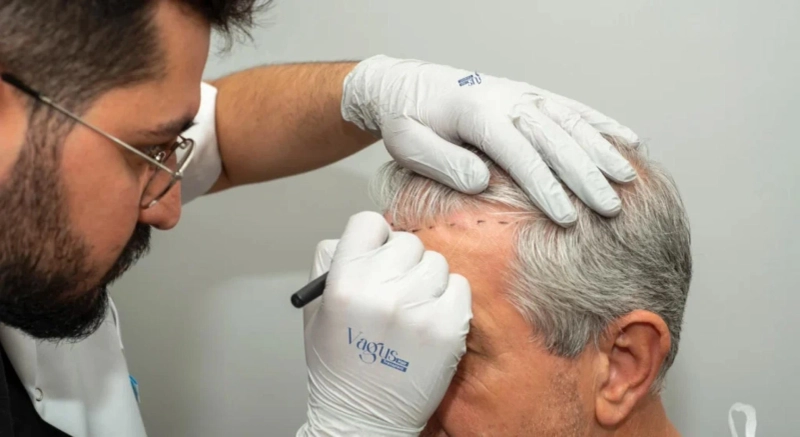
Follicular Unit Extraction (FUE) hair transplant is a modern solution to hair loss, offering many individuals a chance to regain their natural hairline. However, as with any popular procedure, numerous myths and misconceptions surround it. These myths can cause confusion and hesitation for potential candidates, making it difficult to make an informed decision. In this article, we will address and debunk some of the most common FUE hair transplant myths, providing you with the facts you need to understand this effective hair restoration method.
Introduction to FUE Hair Transplants
FUE hair transplants involve the extraction of individual hair follicles from the donor area and their implantation into thinning or balding areas on the scalp. It is a minimally invasive procedure that has gained popularity due to its ability to deliver natural results, minimal scarring, and quick recovery time. However, despite its growing success, there are several myths that still persist about the procedure. Let's explore some of these myths and set the record straight.
Myth 1: "FUE Hair Transplants Are Only for Men"
While it's true that men are more likely to experience hair loss due to male pattern baldness, FUE hair transplants are an effective solution for both men and women. Women often experience diffuse thinning of hair, which can be treated with FUE to restore volume and density in the affected areas. In fact, FUE is becoming an increasingly popular choice for women seeking a solution for thinning hair or a receding hairline.
For women, FUE allows for the restoration of a natural hairline, and the procedure can be used to add density to areas where hair thinning is most noticeable. It’s important to consult with a qualified hair transplant surgeon to discuss your specific hair loss pattern and whether FUE is the right choice for you.
Myth 2: "FUE Hair Transplants Are Extremely Painful"
One of the most common concerns potential patients have about FUE hair transplants is the pain associated with the procedure. However, the reality is that FUE hair transplants are relatively painless. The procedure is performed under local anesthesia, which ensures that the patient feels little to no discomfort during the extraction and implantation phases.
After the procedure, there may be some mild soreness or tenderness, but this can typically be managed with over-the-counter pain medications. Most patients report feeling minimal pain during recovery, with many returning to their regular activities within a few days.
Myth 3: "FUE Hair Transplants Are Too Expensive for Most People"
While it’s true that FUE hair transplants can be more expensive than other hair restoration methods, such as topical treatments or oral medications, the cost is not prohibitive for many people. The cost of an FUE procedure can vary depending on several factors, including the number of grafts required, the surgeon’s experience, and the location of the clinic.
Additionally, many clinics, like Vagus Hair Transplant, offer affordable options that provide high-quality results. While FUE may have a higher upfront cost than other treatments, it provides a permanent solution to hair loss, which makes it a more cost-effective long-term investment.
Myth 4: "FUE Hair Transplants Leave Visible Scars"
Unlike the traditional FUT (Follicular Unit Transplantation) method, which involves removing a strip of scalp and leaving a linear scar, FUE hair transplants leave only small, round puncture scars in the donor area. These scars are minimal and, most of the time, invisible to the naked eye once the hair grows back.
For those who prefer to wear their hair short, this lack of scarring is one of the major benefits of FUE. The tiny extraction sites heal quickly and are often covered by surrounding hair, making them undetectable.
Myth 5: "FUE Hair Transplants Provide Immediate Results"
While FUE hair transplants deliver natural-looking results, it's important to manage expectations regarding the timeline. After the transplant, the transplanted hair may fall out within the first few weeks, which is completely normal. This shedding phase is part of the hair growth cycle.
New hair growth typically begins within three to four months, with the full results becoming visible after 12 to 18 months. Patience is key when undergoing an FUE procedure, as it can take time for the hair to grow and settle into its natural pattern.
Myth 6: "FUE Hair Transplants Are Not Suitable for People with Thinning Hair"
FUE hair transplants are not just for people with severe hair loss; they can also be highly effective for individuals with thinning hair. For those with early-stage hair loss, FUE can help restore volume and prevent further thinning by adding density to the scalp.
In cases of thinning hair, the procedure can be used to fill in the affected areas and create a fuller, more even appearance. Consulting with an experienced surgeon will help you determine whether FUE is the right solution for your particular hair loss pattern.
Myth 7: "FUE Hair Transplants Are Not Permanent"
One of the most significant advantages of FUE hair transplants is that they offer a permanent solution to hair loss. The hair follicles transplanted during the procedure are resistant to the hormones that cause hair loss, which means that they will continue to grow naturally for the long term.
While it’s important to note that the rest of your natural hair may continue to thin or fall out over time due to genetic factors, the transplanted hair is designed to remain for a lifetime, providing long-lasting results.
Myth 8: "FUE Hair Transplants Require Extensive Recovery Time"
Unlike traditional hair transplant methods that involve more invasive procedures, FUE has a significantly shorter recovery time. Most patients can resume their regular activities within a few days after the procedure.
While it’s normal to experience some redness, swelling, or mild discomfort in the treated area, these symptoms typically subside within a week. By following proper aftercare instructions, patients can ensure a smooth recovery and achieve the best results possible.
Myth 9: "FUE Hair Transplants Are Only for People with Thick Hair"
Another common misconception is that FUE is only effective for individuals with thick, healthy hair. In fact, FUE can be used to treat a variety of hair types, including fine or thin hair. The procedure can be tailored to work with the natural hair characteristics of each patient, providing a customized solution for hair restoration.
Conclusion
FUE hair transplants are a highly effective and minimally invasive solution for both men and women seeking to restore their hairline and regain confidence. By debunking some of the most common myths surrounding the procedure, we hope to provide you with a clearer understanding of how FUE works and what to expect.
If you’re considering an FUE hair transplant, it’s essential to consult with an experienced surgeon to discuss your options and ensure the best possible outcome. For more information on FUE hair transplants, visit Vagus Hair Transplant, where you can learn more about the procedure and explore affordable options for hair restoration.