



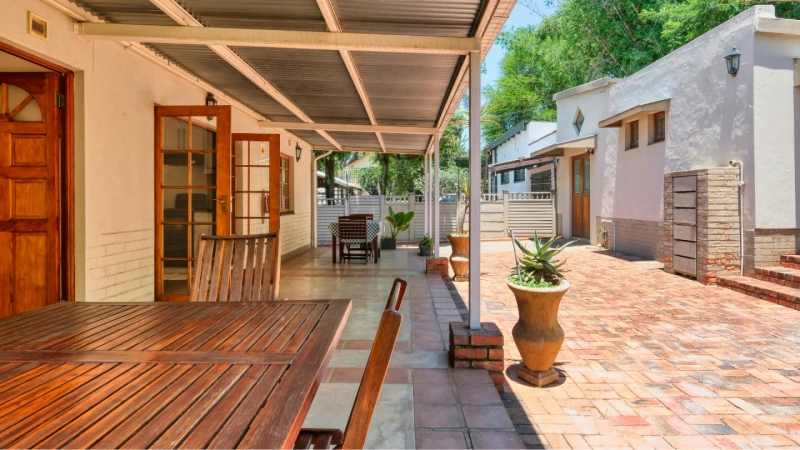
A front porch serves as the first impression of a home, offering both aesthetic appeal and functional value. One way to enhance this space is by installing an awning. An awning provides shade, protects against the elements, and can complement the architectural style of the house. Understanding the different types, benefits, and design considerations is essential for homeowners and designers seeking to maximize both utility and visual impact.
A front porch awning is a versatile addition that can adapt to various climates and personal tastes. Their design can range from simple, functional structures to ornate, decorative features that add character to the property. This guide explores the main categories of front porch awnings, their advantages, and some practical design ideas for creating a comfortable and inviting entryway.
Types of Front Porch Awnings
Choosing the right type of awning requires understanding the materials, mechanisms, and styles available. Each type serves a unique purpose, depending on factors such as exposure to sunlight, rainfall, and the architectural style of the home.
Retractable Awnings
Retractable awnings are flexible and convenient, allowing homeowners to extend or retract the shade as needed. These awnings are usually made from durable fabrics supported by metal frames. They are ideal for areas with fluctuating weather, providing shade on sunny days and allowing sunlight when desired. Maintenance typically involves cleaning the fabric and lubricating the moving parts to ensure smooth operation.
Fixed Awnings
Fixed awnings are permanent structures attached to the front of the house. They are often constructed from metal, wood, or polycarbonate panels. Fixed awnings provide consistent protection from rain and sun, making them particularly effective in regions with heavy rainfall. Their permanence also allows for more elaborate designs that can enhance the visual appeal of the façade.
Dome and Rounded Awnings
These awnings feature a curved or dome shape, offering a distinctive architectural element. The curved design allows rainwater to run off efficiently and can create a soft, welcoming appearance. Dome awnings are commonly made from aluminum, steel, or acrylic materials and are suited for both traditional and contemporary homes.
Aluminum and Metal Awnings
Metal awnings, often made from aluminum, are durable and low-maintenance. They can withstand harsh weather conditions and are available in a variety of finishes and colors. These awnings are practical for homeowners seeking longevity and minimal upkeep, though they may require insulation to reduce heat transfer in hot climates.
Benefits of Installing a Front Porch Awning
The advantages of adding an awning to the front porch extend beyond simple aesthetics. A well-chosen awning can improve comfort, protect property, and even contribute to energy efficiency.
Weather Protection
One of the primary benefits of a front porch awning is protection from the elements. It shields visitors and residents from rain, snow, and excessive sunlight. This protection also extends to doors, windows, and porch furniture, reducing wear and tear caused by weather exposure.
Energy Efficiency
Awnings can contribute to energy efficiency by reducing heat gain in adjacent rooms. By blocking direct sunlight, they lower indoor temperatures during hot months, potentially decreasing reliance on air conditioning. Retractable options allow for seasonal flexibility, letting sunlight in during winter while providing shade in summer.
Enhanced Curb Appeal
A thoughtfully designed awning can enhance the architectural style of a home. Materials, colors, and shapes can be chosen to complement existing features, creating a cohesive and attractive appearance. Dome or decorative awnings, for example, can add elegance, while minimalist metal designs suit modern facades.
Increased Usable Space
A front porch awning extends the functional space of the porch, allowing outdoor activities regardless of weather conditions. Homeowners can enjoy seating areas, potted plants, or small gatherings under the protection of an awning, making the porch a more versatile and enjoyable space.
Design Considerations for Front Porch Awnings
Selecting an awning involves both practical and aesthetic considerations. Understanding these factors helps ensure that the addition meets functional needs while harmonizing with the home’s design.
Material Selection
Choosing the right material is crucial. Fabric awnings are lightweight and visually flexible, while metal and polycarbonate options provide durability and low maintenance. Homeowners should consider climate, exposure, and the desired level of maintenance when selecting materials.
Color and Style
The color and style of the awning can influence the overall aesthetic of the property. Neutral colors typically blend seamlessly with most homes, while bold hues can create a striking focal point. The style should complement architectural elements, such as gable roofs or columned porches, to maintain visual coherence.
Size and Placement
Proportions are key to both functionality and aesthetics. An awning should cover sufficient space to provide shade and protection without overwhelming the façade. Placement should ensure water runoff is directed away from entrances and that the structure does not obstruct windows or sightlines.
Conclusion
Front porch awnings offer a blend of practicality and style, enhancing both comfort and curb appeal. By understanding the types available, their benefits, and key design considerations, homeowners can make informed choices that suit their needs and complement their property. Whether opting for retractable, fixed, or decorative awnings, the addition of this feature can significantly improve the functionality and visual appeal of the front porch.
FAQs
What materials are best for front porch awnings?
Common materials include fabric, aluminum, steel, and polycarbonate. Fabric offers flexibility and aesthetic variety, while metal and polycarbonate provide durability and low maintenance.
How much maintenance does a front porch awning require?
Maintenance depends on the type. Fabric awnings need periodic cleaning and inspection for wear, while metal and polycarbonate structures require occasional washing and checks for corrosion or damage.
Can awnings increase energy efficiency?
Yes, awnings reduce direct sunlight on windows and doors, lowering indoor temperatures during hot months and reducing air conditioning usage.
Are retractable awnings more cost-effective than fixed ones?
Retractable awnings may have higher initial costs due to mechanisms but offer flexibility and potential energy savings. Fixed awnings are generally simpler and longer-lasting but lack adaptability.
How should I choose the right style for my home?
Consider the architectural design, color scheme, and functional needs. Matching proportions and complementing the house’s exterior elements ensures the awning enhances overall aesthetics.