



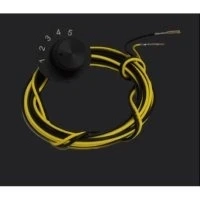
Modern diesel trucks are no longer locked into one driving personality. With the right tuning setup, the same 6.7 Powerstroke can behave like a calm daily driver in the morning and a strong performance truck by evening. One of the most popular ways to make this possible is through a 6.7 Powerstroke SOTF switch, also known as a switch-on-the-fly system.
This guide breaks down what SOTF tuning really means, how the different power levels work from stock to Stage 5, and why many Canadian truck owners choose this option for flexibility, control, and peace of mind.
What Is a SOTF Switch on a 6.7 Powerstroke?
A SOTF switch allows you to change tuning levels while driving, without stopping the truck or plugging in a device. The switch is usually mounted inside the cab and lets you move between preset power levels in real time.
Instead of being stuck with one tune, you can adjust how your truck behaves based on:
- Road conditions
- Load or trailer weight
- Fuel quality
- Driving needs
This makes the 6.7 Powerstroke SOTF switch a practical upgrade, not just a performance feature.
Why Canadian Drivers Prefer Switch-On-The-Fly Tuning
Driving conditions in Canada change fast. One day you are towing through cold weather, the next day cruising long highway stretches. A fixed tune does not always make sense.
With SOTF tuning, drivers gain:
- Better control in winter driving
- Lower power options for slippery roads
- Higher power when conditions are safe
- Improved fuel efficiency when tuned properly
This balance is why SOTF setups are becoming more common across Alberta, Ontario, and British Columbia.
Understanding Power Stages: From Stock to Stage 5
Each SOTF position is often called a “stage.” These stages deliver different power levels and driving behaviours, with each level offering specific features.
Stock Mode: Factory Feel, Added Safety
Stock mode keeps the truck running close to factory settings. It is often used for daily driving or when loaning the truck to someone unfamiliar with tuned diesels.
Best used for:
- City driving
- Winter roads
- Long idle times
What to expect:
- Smooth throttle
- No added stress on components
- Familiar factory response
This mode acts as a safe baseline and is often the most used setting during poor weather.
Stage 1: Light Improvement, Same Comfort
Stage 1 adds a small bump in power without changing the truck’s overall behaviour. It feels slightly more responsive but still very controlled.
Best used for:
- Daily commuting
- Highway cruising
- Fuel-conscious driving
Key benefits:
- Better throttle response
- Slight fuel economy improvement
- Minimal added heat
For drivers new to tuning, Stage 1 is a gentle introduction.
Stage 2: Balanced Power for Everyday Use
Stage 2 is where many drivers choose to stay most of the time. It offers noticeable power gains while remaining safe for regular use.
Best used for:
- Mixed city and highway driving
- Light towing
- Passing traffic with ease
What changes here:
- Stronger mid-range torque
- More confident acceleration
- Still daily-driver friendly
This level often delivers the best balance between performance and reliability.
Stage 3: Strong Performance Without Excess
Stage 3 steps into true performance territory. Power increases are more obvious, especially under throttle.
Best used for:
- Open highways
- Empty bed driving
- Drivers wanting a sportier feel
Things to keep in mind:
- Increased exhaust gas temperatures
- Faster acceleration
- More aggressive throttle response
Many drivers use this stage when conditions are right, but switch down when towing or in traffic.
Stage 4: Advanced Power for Experienced Drivers
Stage 4 is not meant for casual driving. This setting delivers high power and torque, and it demands respect.
Best used for:
- Performance driving
- Controlled environments
- Short bursts of power
Important notes:
- Supporting mods may be required
- Monitoring temperatures is critical
- Not ideal for heavy towing
This stage is popular among enthusiasts who understand their truck’s limits.
Stage 5: Maximum Output, Limited Use
Stage 5 is the highest setting and should be used carefully. It is designed for maximum power output, not daily driving.
Best used for:
- Track or test runs
- Short performance pulls
- Experienced owners only
Key warnings:
- Highest stress on engine components
- Requires strong supporting hardware
- Not recommended for long drives
Stage 5 exists for power when you truly need it, not for everyday use.
Towing and SOTF: What You Should Know
Many owners assume higher stages are better for towing. This is not always true.
For most towing situations:
- Stock or Stage 1 works best for stability
- Stage 2 can help with moderate loads
- Higher stages should be avoided when hauling heavy trailers
The ability to switch instantly makes SOTF tuning ideal for changing load conditions.
Fuel Quality and Power Levels
Fuel quality in Canada can vary by region and season. This is another reason SOTF tuning makes sense.
Lower power stages are more forgiving when fuel quality is questionable, while higher stages should only be used with clean, high-quality diesel.
Is a 6.7 Powerstroke SOTF Switch Worth It?
For many owners, the answer is yes. The flexibility alone makes it valuable.
Main advantages include:
- One truck, multiple driving styles
- Better control in changing weather
- Ability to protect the engine when needed
- More enjoyable driving experience
Instead of chasing one perfect tune, you gain multiple smart options.
Final Thoughts
A 6.7 Powerstroke SOTF switch turns your truck into a flexible tool rather than a single-purpose machine. From stock comfort to Stage 5 power, each level has a clear role when used correctly.
If you are looking for professional diesel tuning solutions that match Canadian driving needs, explore trusted options from Lake City Performance and see how the right setup can transform your Powerstroke experience.