


In an era where convenience is king, Same Day Delivery Services have become a cornerstone of modern logistics. Today’s consumers and businesses alike expect speed, reliability, and transparency when shipping goods - from medical supplies to last-minute gifts. The evolution of same day courier networks reflects broader shifts in technology, customer expectations, and competitive pressure across the logistics landscape. But how exactly do these services function from the moment a package is picked up to when it arrives at your doorstep? This post breaks down the complex, often overlapping systems, processes, and technologies that make same day courier services possible.
Understanding the Operational Framework
At a high level, same day courier operations differ significantly from traditional parcel delivery. Standard mail or ground shipping may operate on set schedules and fixed routes, but same day services are dynamic, demand-driven, and time-sensitive. Most logistics providers blend centrally managed dispatching systems with localized courier networks to optimize speed.
When a customer requests a pickup via an app, website, or call center - the system immediately assesses several variables: location of pickup, destination, package size, current traffic, fleet availability, and delivery deadline. Advanced routing algorithms then match the job with the best available courier, whether that’s a van, bike messenger, or a contracted driver from a third-party network.
In larger metropolitan areas, a distributed network of hubs (micro-fulfillment centers) supports local couriers. These micro-hubs store frequently shipped items or serve as waypoints for multi-stop routing, reducing transit times and enabling real-time flexibility.
Technology: The Backbone of Same Day Logistics
A key differentiator in today’s market is technology. Enterprise resource planning (ERP) systems integrate with customer interfaces to provide real-time visibility for dispatchers and end users alike. GPS tracking, predictive analytics, and mobile fleet management apps allow dispatchers to reassign couriers mid-route, anticipate delays, and adjust delivery windows.
Machine learning models help forecast demand patterns, guiding fleet sizing and placement of vehicles throughout a service area. In turn, this minimizes “deadhead” miles, when a vehicle travels without a load which reduces cost and environmental impact.
In many operations, customers can see the courier’s location, receive ETA updates, and even interact directly with the driver. This real-time visibility is not just a convenience; it’s become an industry standard differentiator among competing logistics providers.
Pickup Protocols: From Request to Collection
When a same day delivery’s lifecycle begins, the first critical step is pickup. For business customers, pickups might be scheduled in advance as part of routine operations; for individuals, they are typically initiated on demand.
Once a pickup request is accepted, the courier reviews any special instructions - access codes, fragile handling, or signature requirements. The courier then proceeds to the pickup site and scans the package on collection. Barcode scanning, RFID tags, or QR codes feed real-time status back into the tracking system, signaling that the package has entered the transit network.
Documentation is an essential part of compliance, especially for regulated industries (e.g., pharmaceuticals). Couriers may capture photos, weigh packages, and confirm identity to create an audit trail that supports accountability and transparency.
Transit and Routing Intelligence
After collection, the focus shifts to moving the package efficiently through the delivery ecosystem. This often involves dynamic routing solutions that consider live traffic data, weather conditions, and delivery priority.
In smaller markets, couriers often operate directly between pickup and delivery. In larger urban settings, packages may transition through consolidation hubs where shipments bound for similar areas are grouped. This hybrid routing model improves efficiency while still respecting tight delivery windows.
Fleet diversity allows same day courier services to adapt to varying parcel types and distances. Bikes or scooters can navigate congested downtown areas quickly, while vans or small trucks cover longer distances or bulkier items.
Final Mile: Doorstep Delivery Realities
The “last mile” typically accounts for the highest portion of delivery cost and complexity. Successful same day services optimize this stage with route density planning, batching multiple deliveries in close geographic proximity.
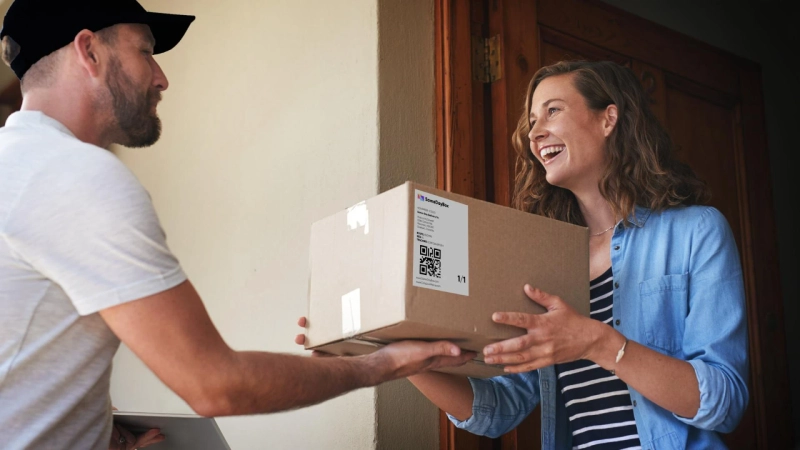
On arrival, couriers execute delivery protocols: scanning the package, capturing delivery confirmation (signature or photo), and updating the system in real time. If a recipient isn’t available, predefined fallback options such as safe-place delivery or return to nearby hub are triggered.
Customer feedback loops (ratings, comments) feed into quality control and continuous improvement processes across the service network.
Conclusion
The appeal of Same Day Delivery Services lies in its promise of speed without sacrificing reliability. Achieving this requires a finely tuned blend of technology, operational expertise, real-time intelligence, and coordinated execution. From the instant a pickup request is made to the moment a package reaches its endpoint, a complex choreography of systems and people works behind the scenes. As customer expectations continue to evolve, so too will the strategies and innovations driving same day courier performance.