


In the past, classrooms were largely dominated by passive learning, where students listened to lectures and took notes while teachers led the lessons. However, in today’s technology-driven world, classrooms are evolving to promote active learning, where students are directly involved in their education. One of the key tools driving this shift is the interactive display in education, specifically smartboards.
Smartboards are transforming how lessons are taught, making learning more engaging, collaborative, and interactive. With features like touchscreen interactivity, real-time feedback, and opportunities for collaboration, smartboards are encouraging students to take an active role in their learning journey. Let's explore how these features are reshaping the classroom experience.
Touchscreen Interactivity: Empowering Students
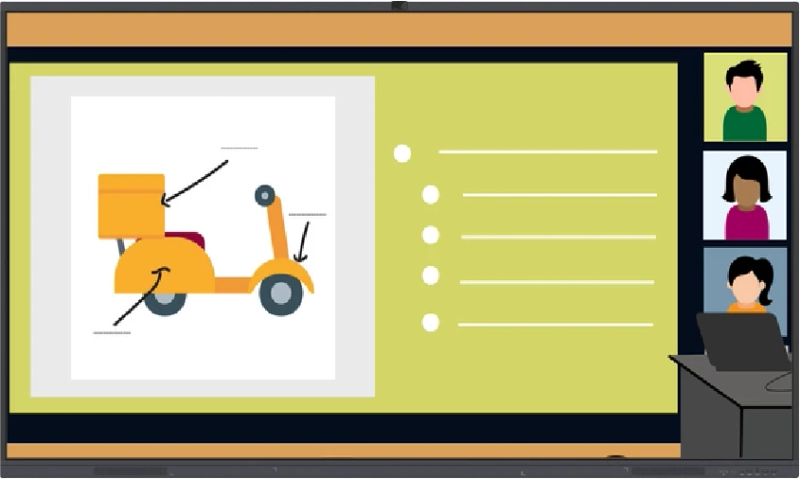
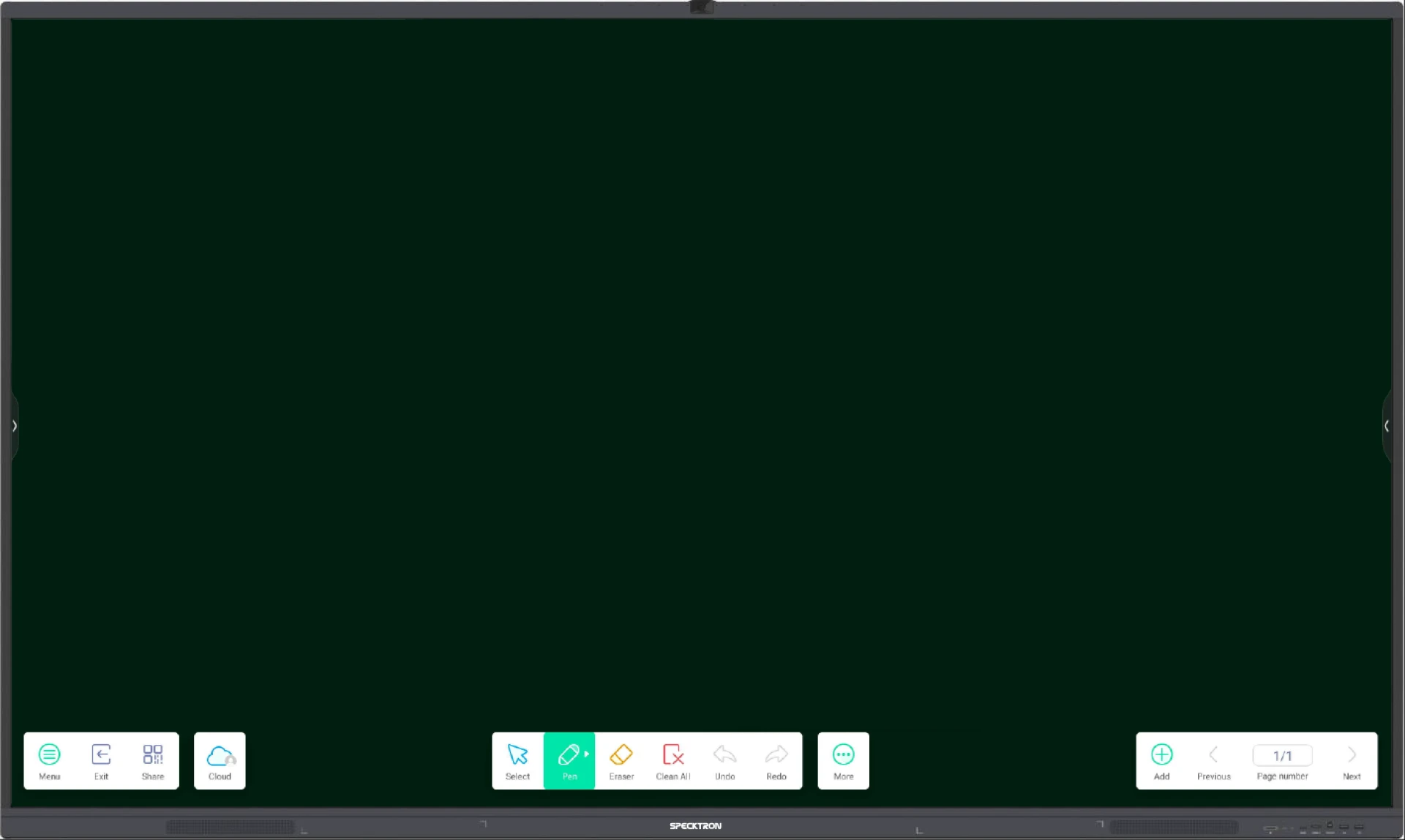
One of the most powerful aspects of smartboards is their touchscreen functionality. This allows students to directly engage with the lesson by touching the board to select options, solve problems, or even draw diagrams. This hands-on involvement is a significant departure from traditional methods, where students are passive recipients of information.
Instead of just listening to a teacher or watching a presentation, students can now interact with content, making learning a more immersive experience. This active participation helps students retain information better and stay focused throughout the lesson.
Real-Time Feedback: Instant Learning
Another advantage of smartboards is the ability to provide real-time feedback. For example, during a math lesson, students can solve problems on the smartboard and immediately see whether their answers are correct. This instant feedback helps students learn from their mistakes and build confidence in their abilities.
For teachers, this feature allows them to quickly assess student understanding and adjust the lesson if necessary. It creates a dynamic, responsive learning environment where both students and teachers can track progress in real time.
Collaborative Activities: Building Teamwork Skills
Smartboards also encourage collaboration among students. With features like split-screen capabilities, students can work together in small groups on the board to solve problems, brainstorm ideas, or create presentations. This fosters teamwork and communication skills, as students work together to reach solutions.
Collaborative activities on smartboards also make learning more enjoyable. Students are motivated to participate when they know they can actively contribute to a group task, whether it’s solving a puzzle, creating a mind map, or brainstorming ideas for a project.
Conclusion: The Power of Active Learning
The transition from passive to active learning is essential for fostering a deeper understanding of subjects and encouraging critical thinking. Smartboards, as part of the interactive display in education, provide the tools to make this shift possible. By empowering students to interact with content, receive immediate feedback, and collaborate with their peers, smartboards are transforming the classroom into a dynamic and engaging learning environment.
Incorporating smartboards into everyday lessons helps students become more involved in their education, enhancing their overall learning experience and preparing them for a future where active participation is key.