



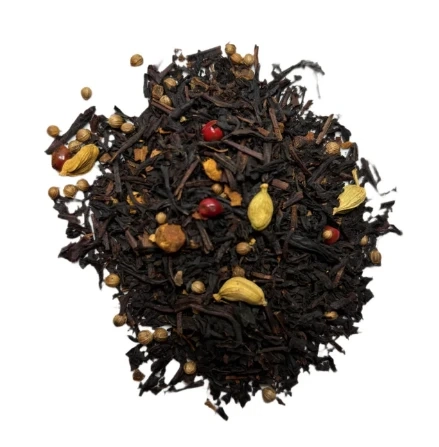
Most people reach for a cup of tea or a favorite seasoning without thinking about how far those ingredients have traveled. Yet every leaf, pod, and petal carries the imprint of its home. Soil, altitude, weather, and farming traditions all shape flavor in ways that cannot be recreated anywhere else. When we understand these origins, everyday habits begin to feel more meaningful. The ingredients stop being anonymous and instead become stories of land, people, and slow craft.
The rise in interest around traceable foods is not about trend chasing. It comes from a collective desire to reconnect with what we consume. With tea and spices, this connection feels especially powerful because these ingredients have long been tied to cultural identity and sensory pleasure. A cup of mountain-grown herbal tea tastes different from one grown at sea level. A spice harvested by hand behaves differently from one processed on an industrial scale. Even something familiar, like the morning ritual of loose leaf English breakfast or scrolling through black tea blends online becomes richer when you know the journey behind the leaves.
How the Land Shapes Flavor
Terroir is a word often reserved for wine, but tea and spices are equally expressive of place. The mineral content of the soil, moisture in the air, and amount of sunlight all influence aroma and strength. Tea grown in misty mountain regions carries cool, floral tones. Herbs grown in rocky Mediterranean terrain develop intensity from nutrient dense soil and warm winds. This is one of the reasons Greek herbal traditions endure. Farmers who cultivate herbal tea to lower cholesterol, soothing chamomile, or aromatic sage understand that these plants draw their character from the untouched hillsides they come from.
Spices tell similar stories. Cardamom pods grown in high-altitude forests develop a sharper brightness. Cinnamon from certain regions produces more essential oil, making it ideal for baking. When home cooks experiment with blends like mixed spice blends or meal friendly seasonings such as herb seasoning salt, they are working with ingredients shaped by specific landscapes. Even creative flavor options, like bright citrus infusions or savory mixes inspired by coastal cooking, reflect choices that began in the soil.
Knowing origin also adds depth to culinary experiments. A cook preparing chicken with turmeric and ginger can choose spices based on where they were grown, adjusting intensity and aroma with greater control. Flavor becomes intentional instead of accidental.
The Human Stories Behind Ingredients
Beyond geography, origin reflects the hands that cultivated each plant. Smallholder farmers, family owned plots, and local cooperatives carry generational knowledge that machines cannot replicate. Many regions where tea and spices are grown rely on traditional techniques: handpicking leaves, sun-drying herbs, or fermenting spices in small batches. These methods preserve essential oils and prevent flavor loss.
When we buy origin based teas or spices, we support the communities that maintain these traditions. Someone who enjoys the warm aroma of Indian chai powder might notice subtle differences between regions because each area uses its own cultivation approach. South American traditions, like brewing yerba mate tea, rely on specific drying techniques that give mate its signature smoky depth. Africa’s rooibos farmers sort leaves by hand to ensure the clarity that makes pure rooibos red tea so naturally smooth.
Understanding these human stories makes tea feel less like a commodity and more like a connection. It also helps us appreciate why ethical labor practices and fair partnerships matter. Origin influences more than taste. It reflects livelihood, identity, and pride.
Why Knowing Your Tea Matters
Tea drinkers often begin with convenience and eventually develop more curiosity. Someone exploring loose leaf breakfast tea, browsing flavored black tea blends, or enjoying dessert inspired options like Amaretto Italiano tea mix may start to wonder what distinguishes one tea from another. The answer is almost always origin.
These distinctions become even more important when tea is linked to wellness routines. A person choosing cholesterol control tea, or blends used by those seeking gentle beverages such as tea safe to drink when breastfeeding benefits from knowing how pure and carefully sourced the herbs are.
Origin also impacts the experience of fruit infusions. Bright blends like caffeine-free fruit tea blends or vibrant creations using berry blend tea gain their layered flavor from the kinds of fruit grown in specific climates. A pineapple piece grown in tropical humidity tastes different from one grown in drier regions. Hibiscus from West African farms produces a deeper red color than hibiscus grown elsewhere. With origin awareness, each cup becomes more interesting.
Why Origin Matters for Spices Too
Spices lose much of their identity when their origins are hidden. Two jars labeled “oregano” may come from entirely different parts of the world, with different potency, aroma, and essential oil content. Knowing origin helps home cooks choose seasonings that match their cooking style. Coastal inspired dishes, especially those paired with seafood spiced blends, rely on herbs grown with strong mineral presence. Earthy blends used in stews or broths benefit from sun nurturing and slower drying.
Even small pantry essentials like gourmet salts reflect the geography of their source. Salts formed near rocky coastlines contain trace minerals that enrich their flavor. Herbs blended into seasoning salts carry distinct notes depending on where the herbs were harvested.
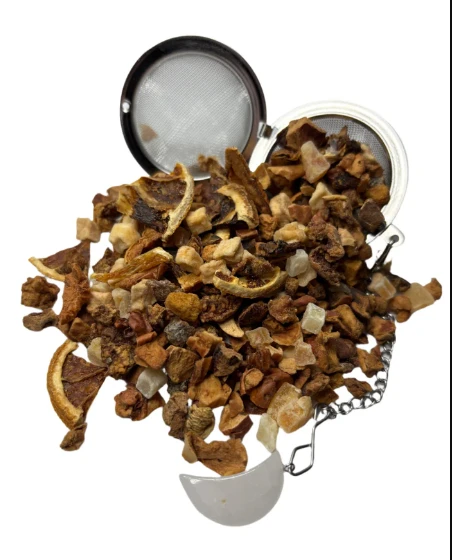
When cooks pay attention to origin, they start seasoning with more confidence. Meals become more consistent and more expressive. The ingredients do the storytelling.
Emotion, Memory, and the Power of Place
Origin often awakens emotion. A cup of mountain tea may remind someone of a childhood trip. A blend of warming spices like cafe latte tea blend or the floral sweetness of herbal tea mix can evoke the scent of a family kitchen. A mug of decaf English breakfast loose leaf tea may become a symbol of calm at the end of a long day.
When we know the origins of our teas and spices, these emotional ties deepen. A simple ritual becomes a grounded one. Flavor becomes an experience rather than a habit. You taste the land, the climate, the care behind every leaf and berry.
Food becomes more meaningful when we understand its beginnings. Every steeped cup and seasoned dish turns into a small act of gratitude.
Taste Ingredients with Real Roots
Those who want to experience tea and spice blends shaped by authentic origins can explore the carefully sourced selections from Deipno® Tea & Spice Blends. Their collection highlights regional character, slow craft, and the natural depth that only thoughtfully grown ingredients can offer.