



Introduction
In today’s fast-evolving construction landscape, builders and property owners are actively searching for materials that deliver long-term reliability, weather resistance, and overall performance. Among the many roofing and waterproofing solutions available, Modified Bitumen Polymer has become a standout option for its ability to enhance durability while improving overall efficiency. This material plays a vital role in modern infrastructure, offering a balanced blend of strength, flexibility, and protection that traditional systems often struggle to match. As industries continue to push for structures that can withstand extreme climates and heavy workloads, understanding the real impact of this innovative material becomes more important than ever.
The Evolution of Modern Construction Materials
Construction technologies have rapidly advanced over the past few decades. Buildings that were once designed with standard asphalt-based solutions now demand materials with higher resistance to heat, pressure, water penetration, and UV exposure. This shift has encouraged manufacturers to develop solutions that perform better under real-world conditions.
Modified bitumen products emerged as a response to these modern demands. By strengthening conventional asphalt with specialized polymers, manufacturers created materials that could stretch without breaking, absorb stress, and deliver long-term protection. This development marked a significant change in the roofing and infrastructure sectors, pushing the industry toward higher standards of safety and longevity.
How This Technology Enhances Performance
One of the greatest advantages of this material lies in its ability to withstand both high and low temperatures. Traditional roofing surfaces can become brittle in the cold and excessively soft during hot seasons, leading to cracks, leaks, and premature failure. The polymer-enhanced composition solves this challenge by maintaining elasticity year-round.
Additionally, its multi-layered structure offers exceptional waterproofing. The sheets are designed to resist moisture even in environments with heavy rainfall or humidity. This makes them particularly suitable for regions that experience intense weather fluctuations. The reinforcing layers also help distribute pressure, ensuring the roofing system remains stable under foot traffic, equipment weight, or small structural movements.
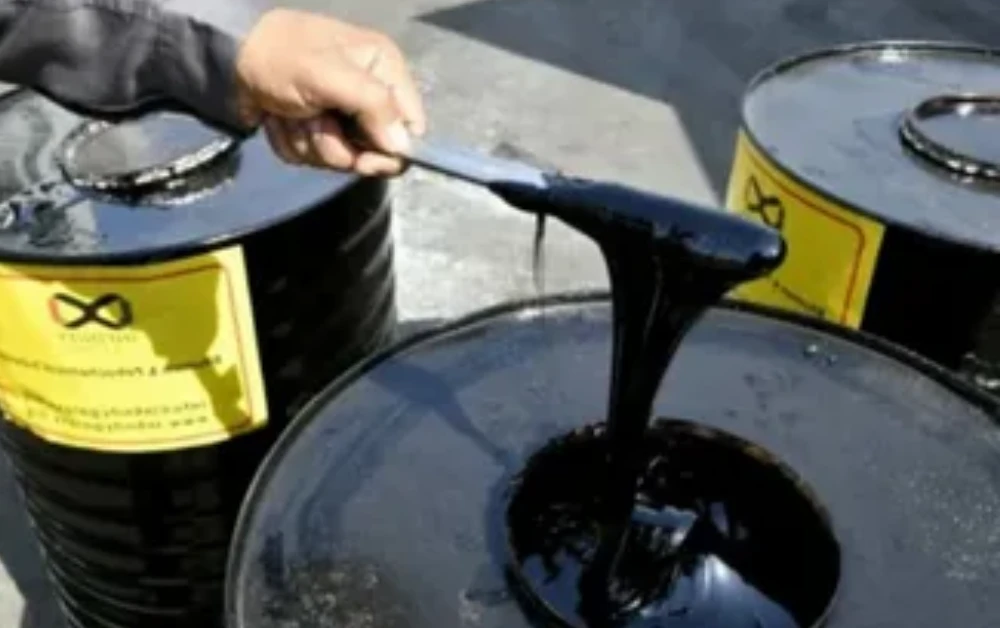
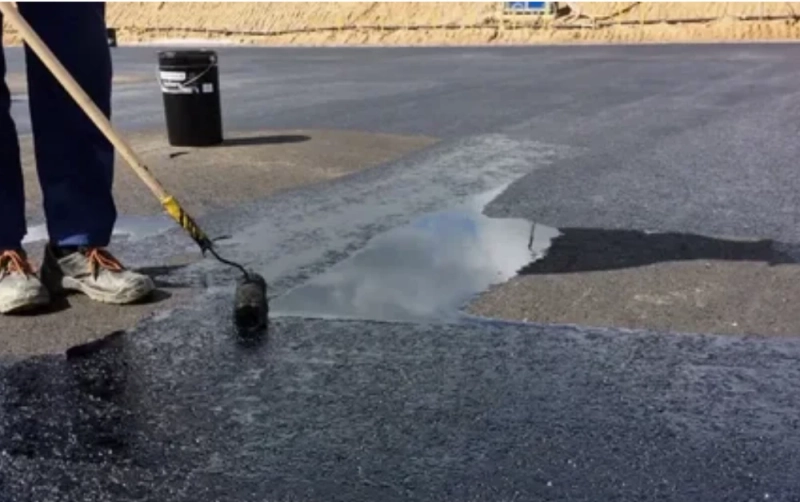
Another key benefit is the ease of installation. Contractors can apply these membranes using different methods depending on project requirements. Whether the structure needs heat-welded seams, cold adhesives, or self-adhesive technology, the system adapts easily. This flexibility allows builders to save time without compromising performance.
Increasing Efficiency Across Projects
Efficiency is one of the most discussed topics in the construction world today. As project deadlines tighten and sustainability becomes a global concern, materials that reduce downtime and improve outcomes are in high demand.
Polymer-enhanced bitumen membranes contribute to this by offering longer service life, which reduces the need for frequent replacements. The material remains stable even when exposed to continuous sunlight, wind, and temperature swings. It also minimizes maintenance needs by resisting cracks and leaks, helping building owners save on long-term repair costs.
Energy efficiency is another significant advantage. Many modern roofing membranes reflect sunlight or include insulation-compatible layers. When used as part of a complete roofing system, they help maintain stable indoor temperatures, reducing the strain on cooling units. The result is a more comfortable environment and potentially lower utility bills.
Why Industries Rely on This Advanced Solution
Industries ranging from commercial real estate to manufacturing plants depend on strong, dependable roofing systems. Warehouses, factories, and retail outlets often face high heat, machinery vibrations, and other environmental challenges. This material offers a dependable shield against these stressors.
In large-scale projects, reliability is not optional—it's critical. The membrane’s ability to handle structural movement makes it especially valuable for modern steel and concrete buildings. Its layered design strengthens the roof against punctures and other mechanical damage. As a result, industries can maintain operations without disruptions caused by roofing failures.
This advanced solution also reflects the construction sector’s push toward cost-effective, future-ready materials. By giving builders the ability to complete projects faster and with better outcomes, it supports both growth and innovation.
Also Read :- Protecting People & Property: The Real Value of HVM Bollards in 2025
Conclusion
As construction practices continue to evolve, choosing materials that offer long-term value becomes essential. The enhanced durability, flexibility, and weather resistance of these advanced membranes have made them a preferred choice for builders seeking dependable roofing and waterproofing solutions. Their ability to improve efficiency while reducing maintenance also contributes to stronger project outcomes. For businesses looking to adopt high-performing solutions tailored to modern demands, Taasim LLC remains a trusted partner ready to support every step of the process.