



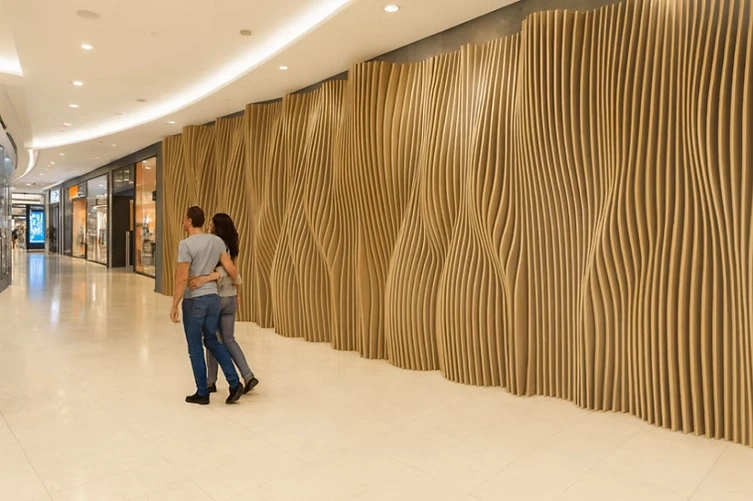
Bringing a parametric design from a digital idea to a physical masterpiece involves a fascinating blend of creativity, technology, and precision. Today’s designers and architects rely on computational tools to convert abstract concepts into sculptural, functional pieces that enhance modern interiors. The journey of crafting Parametric Furniture follows a structured yet creatively flexible workflow. Understanding this process helps clients, builders, and designers appreciate the intelligence behind every seamless curve and geometric form.
The first stage is conceptualization, where the designer defines the purpose, aesthetic, and spatial behavior of the furniture. This involves gathering reference images, exploring geometric inspirations, and identifying the functional requirements of the space. During this phase, designers consider parameters such as user interaction, ergonomics, and environmental context. The goal is to establish a rough design direction that aligns with the vision of the space.
Next comes parameter identification, a critical step where the rules of the design are defined. Parameters may include curve profiles, height variations, layer thickness, spacing between elements, or structural constraints. These variables become the foundation of the parametric model. Designers then translate these parameters into a computational environment using tools like Grasshopper, Rhino, or Fusion 360.
The modeling phase is where the digital sculpture begins to take shape. Designers use algorithmic controls to create forms that respond to the parameters. Even a small adjustment—such as changing the number of divisions or altering a curve—can dramatically transform the entire form. This flexibility makes parametric design incredibly powerful. The model evolves through iterations, ensuring that both aesthetic and structural goals are met. At this stage, designers also test shape variations, explore patterns, and generate different layouts to refine the visual identity of the piece.
Once the digital model is approved, the workflow moves to fabrication preparation. This phase involves converting the model into CNC-ready or 3D-print-ready files. For layered designs, the geometry is sliced into horizontal or vertical profiles. For modular or interlocking structures, joints and connectors are added. Designers also optimize nesting layouts to minimize material waste—a key advantage in sustainable parametric design.
The fabrication stage brings the design into the physical world. CNC machines cut or mill materials like wood, MDF, acrylic, or aluminum with high precision. If the design includes complex geometries, 3D printing is used to create intricate components. Hybrid fabrication—combining CNC and 3D printing—is also common for advanced installations. Every piece is labeled for assembly and quality-checked to ensure accuracy.
Next, the process transitions to assembly and finishing. Skilled craftsmen or installers piece together the cut components, creating the final structure. Sanding, polishing, painting, or varnishing enhance the texture and durability. Integrated lighting, acrylic layers, or metal elements may also be added during this phase.
Finally, the furniture is installed on-site, where it transforms the energy of the space. Whether it’s a flowing reception desk, a sculptural wall, or a custom bench, the seamless blend of digital precision and handcrafted detailing becomes immediately evident.
This end-to-end process showcases the perfect harmony of art, engineering, and digital intelligence. Each parametric piece passes through thoughtful planning, algorithmic design, and meticulous fabrication—turning an abstract concept into a refined architectural statement.