



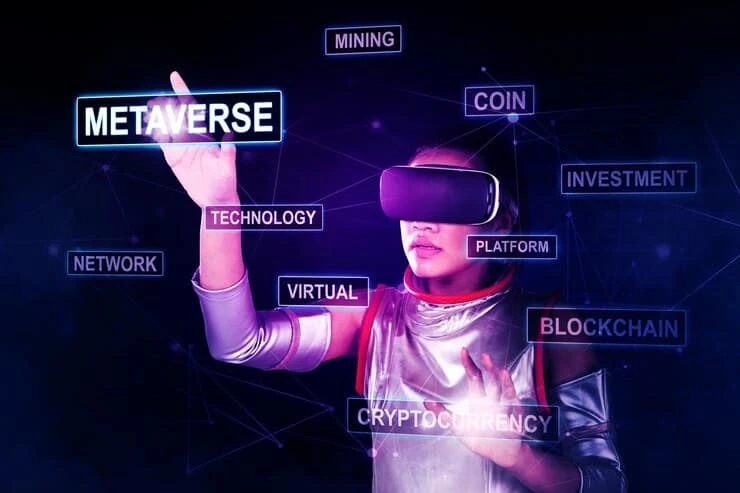
The Metaverse represents the next frontier in digital interaction, blending augmented reality (AR), virtual reality (VR), and blockchain technology to create immersive virtual worlds. At the core of this ecosystem are NFTs (Non-Fungible Tokens), unique digital assets that signify ownership of virtual goods and properties. Developing a Metaverse NFT marketplace requires understanding its structure, features, and the development process. This guide provides a comprehensive overview of Metaverse NFT marketplace development.
Metaverse NFT Marketplace - An Overview
A Metaverse NFT marketplace is a platform where users can buy, sell, and trade NFTs within the Metaverse. These marketplaces facilitate transactions involving digital assets such as virtual land, avatars, digital art, and other collectibles. The primary function of these marketplaces is to provide a decentralized platform where the ownership and provenance of digital assets are securely managed through blockchain technology.
These marketplaces enable users to engage in a new economy, where virtual goods hold real value. They offer a unique opportunity for creators, developers, and investors to participate in the growing digital economy within the Metaverse.
Exploring the Diverse Types of Metaverse Marketplaces
Metaverse marketplaces can be categorized based on the type of digital assets they offer and their specific functionalities:
- Virtual Real Estate Marketplaces
- Platforms like Decentraland and The Sandbox allow users to buy, sell, and develop virtual land and properties. These marketplaces are akin to digital real estate platforms, where users can invest in virtual plots and build their own virtual spaces.
- Digital Art Marketplaces
Marketplaces such as OpenSea and Rarible specialize in the trading of digital art. Artists can mint their creations as NFTs and sell them to collectors who value the uniqueness and authenticity of these digital artworks.
- Collectibles Marketplaces
Platforms like NBA Top Shot focus on digital collectibles, where users can purchase, trade, and showcase virtual items such as sports memorabilia, gaming items, and other unique digital assets.
- Avatar and Accessory Marketplaces
These marketplaces focus on digital avatars and their accessories, allowing users to purchase and customize their virtual representations within the Metaverse.
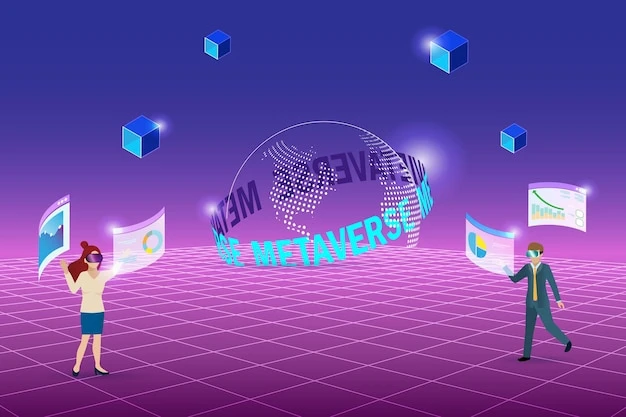
Crucial Features of Metaverse NFT Marketplace Development
Developing a Metaverse NFT marketplace requires incorporating several key features to ensure functionality, security, and user engagement:
- User-friendly Interface
A seamless and intuitive user interface is crucial for attracting and retaining users. It should facilitate easy navigation, browsing, and transactions.
- Wallet Integration
Integrating digital wallets like MetaMask, Coinbase Wallet, or Trust Wallet is essential for enabling secure transactions and storage of NFTs.
- Smart Contract Implementation
Smart contracts automate transactions and ensure the security and authenticity of NFTs. They play a pivotal role in managing ownership transfers and royalties.
- Search and Filter Options
Advanced search and filter options help users quickly find specific NFTs based on categories, price ranges, creators, and other criteria.
- Auction and Bidding System
An auction system allows users to bid on NFTs, creating a competitive environment that can drive up the value of digital assets.
- Royalties Management
Implementing a system for managing royalties ensures that creators receive a percentage of sales whenever their NFTs are resold.
- Security Features
Robust security measures, including encryption, two-factor authentication, and anti-fraud systems, are vital to protect users\' assets and data.
Advantages of a Metaverse NFT Marketplace
- Decentralization
Transactions are recorded on the blockchain, ensuring transparency, security, and eliminating the need for intermediaries.
- Ownership and Authenticity
NFTs provide verifiable ownership and authenticity of digital assets, preventing duplication and fraud.
- Global Reach
Users from around the world can participate in the marketplace, expanding the potential audience and market for digital assets.
- New Revenue Streams
Creators and developers can generate new revenue streams by selling virtual goods, properties, and experiences.
- Interoperability
NFTs can be used across different platforms and Metaverses, enhancing their utility and value.
Comprehensive Process for Developing a Metaverse NFT Marketplace
- Market Research and Planning
Conduct thorough market research to understand the target audience, competitors, and trends. Define the scope and objectives of the marketplace.
- Platform Design
Design an intuitive and engaging user interface. Plan the architecture of the platform, including front-end and back-end components.
- Blockchain Selection
Choose a suitable blockchain platform, such as Ethereum, Binance Smart Chain, or Flow, based on the requirements and scalability needs.
- Smart Contract Development
Develop and deploy smart contracts that will handle transactions, ownership, and royalties. Ensure they are secure and thoroughly tested.
- Wallet Integration
Integrate digital wallets to facilitate secure transactions and NFT storage.
- Feature Development
Implement essential features like search filters, auction systems, and security protocols.
- Testing and Deployment
Conduct comprehensive testing to identify and fix any issues. Deploy the marketplace on the chosen blockchain network.
- Marketing and Launch
Develop a marketing strategy to promote the marketplace. Engage with the community and plan a successful launch.
Estimated Cost of Metaverse NFT Marketplace Development
The cost of developing a Metaverse NFT marketplace can vary significantly based on several factors:
- Platform Complexity
The complexity of features and functionalities will impact the development cost.
- Blockchain Selection
Different blockchain platforms have varying costs associated with transactions and smart contract deployment.
- Development Team
Hiring a skilled development team, including blockchain developers, front-end and back-end developers, and designers, will affect the overall cost.
- Security Measures
Implementing robust security protocols and conducting security audits will add to the development cost.
- Maintenance and Updates
Ongoing maintenance and updates are necessary to ensure the platform\'s smooth operation, contributing to long-term costs.
On average, the development cost of a Metaverse NFT marketplace can range from $50,000 to $300,000 or more, depending on the factors mentioned above.
Conclusion
Developing a Metaverse NFT marketplace is a multifaceted process that involves understanding the intricacies of blockchain technology, smart contracts, and the unique demands of the Metaverse ecosystem. By focusing on user experience, security, and comprehensive planning, creators can build successful platforms that harness the potential of NFTs within the Metaverse. With the digital landscape continuously evolving, the opportunities for innovation and growth in this space are boundless. If you like the idea of creating a superior digital asset with great value, it’s important to get in touch with an experienced NFT Development Company as soon as possible. One such company is Webcom Systems, they provide comprehensive development of Non-Fungible Tokens (NFTs), Tokens, Decentralized Finance (DeFi) solutions, secure and efficient Cryptocurrency Exchanges, white-label blockchain solutions and immersive Metaverse platforms.