



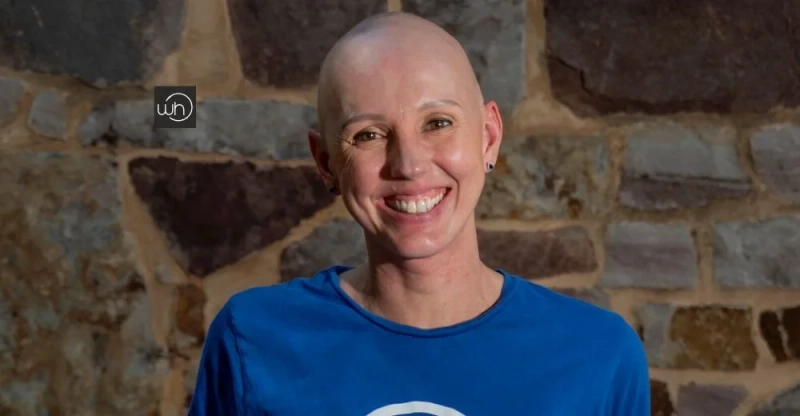
People are the cornerstone of healthcare—patients, families, clinicians, and caregivers. Yet behind the visible work of doctors and hospitals, there are countless advocates fighting to create more compassionate, human-centered systems. One of them is Erica Olenski, Associate Vice President at Finn Partners, whose career and personal journey embody the belief that true healthcare transformation begins with empathy.
Her mission is clear: to ensure patients and caregivers are not just part of the system but its very focus.
How Personal Experience Shaped Her Path
Erica’s introduction to healthcare came during her college years, working in a radiology department while studying public relations. This early exposure showed her the emotional weight patients and families carry and sparked her passion for healthcare communications.
Her journey took a profound turn in 2019 when her young son, August, was diagnosed with brain cancer. Though Erica had already spent a decade in healthcare, this caregiving role reshaped her purpose. She came to understand the life-altering importance of patient and caregiver experiences, realizing that compassion and connection are just as vital as medical treatment.
A Career Aligned with Purpose
At Finn Partners, Erica found the perfect place to merge her professional expertise with her lived experience as a caregiver. What began as a contracted role grew into her position as Associate Vice President of Healthcare, where she supports organizations transforming care through new technologies and service models.
For Erica, healthcare communication goes far beyond marketing—it is about building trust, influencing policy, and ensuring innovation truly improves lives. By crafting human-centered stories, she and her team help mission-driven companies connect with the people who need them most.
Driving Change Through Advocacy and Empathy
One of Erica’s greatest concerns about today’s healthcare is its transactional mindset—where efficiency often outweighs humanity. She advocates for a shift: systems that include patients and caregivers in every decision. Their insights, she emphasizes, can transform products, strategies, and care delivery.
Among the trends she champions is artificial intelligence (AI). While AI is often seen as a tool for automation, Erica sees its deeper potential—to free clinicians from administrative burdens and restore space for connection, creativity, and presence in healthcare.
Leading with Values
Integrity, empathy, and responsibility guide Erica’s leadership. She believes in doing the right thing—even when it’s difficult—and leading by example. For her, innovation begins with curiosity, strategy connects ideas to action, and compassion ensures the solutions truly matter.
August’s Artists: A Legacy of Healing Through Creativity
Inspired by her son’s journey, Erica founded August’s Artists, a nonprofit that brings healing through creative expression. From murals to hospital art projects, the initiative reminds patients and families that healing is not just clinical—it’s emotional and personal.
Lessons in Resilience
Beyond her professional and caregiving roles, Erica is also an Ironman triathlete, a testament to her endurance and resilience. She draws strength from art and music, which inspire her to keep humanity at the center of her work.
Her advice to future healthcare innovators? “Start by listening—deeply and intentionally. Innovation isn’t about having all the answers. It’s about asking the right questions and creating space for others to be heard.”
Shaping the Future of Healthcare
Looking ahead, Erica believes AI will be a defining force in healthcare innovation. If applied with intention, it could restore the human side of care—freeing time for connection, creativity, and empathy.
Ultimately, Erica hopes her legacy is one of resilience, integrity, and compassion, leaving behind a healthcare system where patients and caregivers are central to how care is designed, communicated, and delivered.
“If my work helps elevate the voices of caregivers and patients in how healthcare systems are designed, communicated, and led, then I have done something important.”