



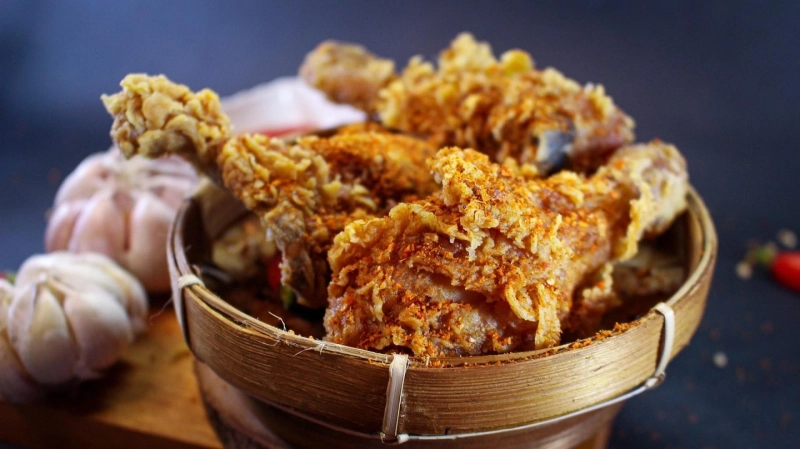
Few dishes capture the essence of comfort food quite like fried chicken. Crispy, golden, and irresistibly flavorful, it’s a culinary masterpiece that transcends borders, cultures, and generations. Whether served in a family kitchen, a Southern diner, or a high-end restaurant, fried chicken delivers satisfaction in every bite a perfect harmony of crunch and juiciness that never goes out of style.
In this article, we’ll explore the history, techniques, and cultural significance of fried chicken, and reveal what makes this dish a timeless favorite around the world.
The Origins of Fried Chicken
While many associate fried chicken with Southern cuisine, its roots stretch much further back in history. The concept of frying chicken coating it in flour and cooking it in hot fat dates to ancient times. Early versions appeared in both African and European culinary traditions.
The modern version we know today, however, was perfected in the American South. Scottish immigrants brought the technique of pan-frying chicken without heavy seasoning, while West African slaves contributed their expertise in seasoning and deep-frying food. Over time, these culinary influences merged, giving rise to what became one of the most iconic dishes in American and eventually global cuisine.
Today, fried chicken is celebrated across continents, from Nashville’s spicy hot chicken to Korean-style double-fried wings. Its versatility and universal appeal make it a dish that truly belongs to the world.
What Makes Fried Chicken So Irresistible?
The magic of fried chicken lies in its contrast of textures and flavors. A perfectly fried piece offers the crunch of a golden crust followed by the tender juiciness of the meat beneath. But achieving that perfection requires skill, patience, and understanding of the key components that define great fried chicken.
1. The Marinade
Flavor starts long before the chicken touches the fryer. Many recipes call for marinating the chicken in buttermilk, which tenderizes the meat and infuses it with rich, tangy flavor. Spices such as paprika, garlic powder, cayenne, and black pepper are often added to enhance taste and aroma.
A good marinade not only seasons the chicken but also helps the coating adhere better, ensuring a consistent crunch.
2. The Coating
The crispy coating is what sets fried chicken apart. Most recipes use a seasoned flour mixture, sometimes enhanced with cornstarch or breadcrumbs for extra crunch. The key is to balance texture and flavor each bite of the crust should be crisp, flavorful, and not overly greasy.
For an even crunchier finish, some chefs use the double-dredging technique: dipping the chicken in the flour, then in buttermilk or egg wash, and back into the flour again before frying.
3. The Frying Technique
Perfect fried chicken demands precise frying. The oil temperature should be kept between 325°F and 350°F (165°C to 175°C) hot enough to crisp the coating without burning it. Frying too hot results in raw chicken inside, while too low makes the crust soggy and oily.
Using a heavy-bottomed skillet or deep fryer helps maintain steady heat. Once cooked, the chicken should rest on a wire rack, not paper towels, to preserve its crispness.
The Global Evolution of Fried Chicken
While the American South popularized fried chicken, this beloved dish has evolved into countless regional variations around the world. Each culture adds its unique twist while maintaining the signature crispy texture that defines the dish.
1. Southern Fried Chicken (United States)
The original classic marinated in buttermilk, seasoned generously, and fried until golden brown. Often served with biscuits, mashed potatoes, and gravy, it’s the ultimate comfort food.
2. Nashville Hot Chicken (United States)
This fiery variation from Tennessee is drenched in a spicy cayenne paste after frying. Served with pickles and white bread, it delivers a flavor punch that’s both intense and addictive.
3. Korean Fried Chicken (South Korea)
Korean fried chicken is known for its paper-thin, ultra-crispy crust achieved through double-frying. Often glazed in sweet and spicy sauces like soy garlic or gochujang it’s a perfect balance of crunch and flavor.
4. Karaage (Japan)
Japanese karaage features bite-sized chicken marinated in soy sauce, garlic, and ginger, then coated in potato starch before frying. The result is light, juicy, and irresistibly crispy.
5. Jamaican Fried Chicken (Caribbean)
Spiced with a blend of allspice, Scotch bonnet peppers, and herbs, Jamaican fried chicken brings a bold, aromatic twist to the classic. It’s packed with flavor and often enjoyed as part of family celebrations.
6. Nigerian Fried Chicken (West Africa)
Nigerian fried chicken stands out for its deep, complex flavors often marinated with local spices, herbs, and chili before being fried to perfection. It’s a staple dish at festive occasions and gatherings.
Each version highlights how fried chicken has been adapted to local tastes while preserving its comforting essence.
Fried Chicken in Modern Cuisine
Fried chicken isn’t just a home-cooked favorite it’s also a global restaurant phenomenon. Fast-food chains like KFC, Popeyes, and Chick-fil-A have made it an international staple, serving millions daily. Meanwhile, chefs at fine-dining establishments are reinventing fried chicken with gourmet twists, pairing it with truffle honey, artisan biscuits, or champagne.
The popularity of fried chicken sandwiches has also exploded in recent years. The so-called “chicken sandwich wars” led by Popeyes’ viral launch in 2019 turned a simple fried chicken sandwich into a national obsession.
Fried chicken’s rise in pop culture has cemented it as more than just food it’s a symbol of indulgence, comfort, and culinary creativity.
The Healthier Side of Fried Chicken
While traditional fried chicken is indulgent, healthier variations have gained traction. Many people now opt for air-fried chicken, which delivers the same crispy texture with far less oil. Baked versions, when done right, can also achieve a delightful crunch while cutting calories and fat.
Additionally, restaurants are experimenting with plant-based fried chicken, using soy or pea protein alternatives to mimic the texture and taste of real chicken catering to vegetarian and vegan audiences without compromising on flavor.
Why Fried Chicken Will Always Be a Favorite
Fried chicken’s enduring appeal comes down to three simple things: flavor, texture, and tradition. It’s a dish that feels like home, whether enjoyed at a backyard picnic, a local diner, or a bustling street market halfway across the world.
Its adaptability across regions, diets, and dining styles ensures that fried chicken remains relevant in every generation. Few foods can evoke the same level of nostalgia, satisfaction, and joy.
Final Thoughts
From its humble beginnings to its global domination, fried chicken remains a symbol of culinary perfection. It embodies everything we love about food flavor, comfort, and community. Each culture that embraces it adds something unique, turning this simple dish into a worldwide favorite.
Whether it’s spicy Nashville hot chicken, sweet Korean fried wings, or your grandmother’s secret recipe, fried chicken continues to bring people together through its irresistible combination of crunch and comfort.
Golden, crispy, and timeless fried chicken isn’t just a meal. It’s an experience that reminds us why some classics never fade away.