



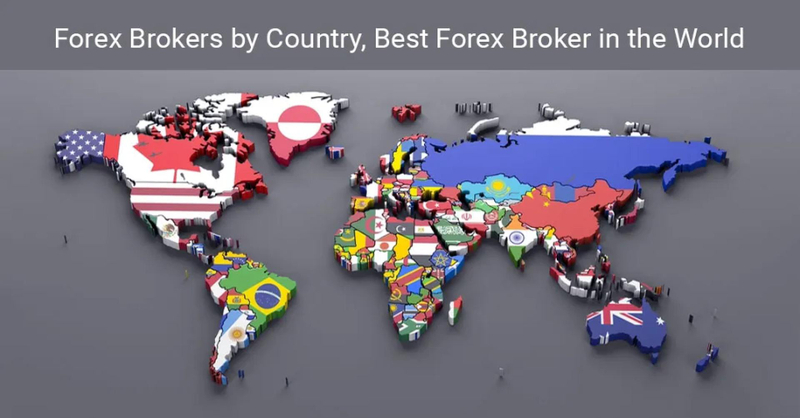
Choosing the right broker is one of the most important decisions in online trading. While spreads, leverage, and platforms matter, regulation and jurisdiction are equally critical. That’s why understanding Forex Brokers by Country is essential for both beginner and professional traders.
Different countries have different regulatory frameworks, investor protection rules, and leverage limits. In this guide, we will explore how Forex Brokers by Country vary worldwide, what traders should consider before opening an account, and how global financial regulation impacts your trading strategy.
Why “Forex Brokers by Country” Matters in Trading
When comparing Forex Brokers by Country, you are essentially comparing regulatory environments. Each country’s financial authority sets rules for capital requirements, leverage limits, segregation of client funds, and transparency standards.
For example, brokers regulated in highly developed financial markets often follow strict compliance procedures. On the other hand, offshore jurisdictions may offer higher leverage but lower investor protection.
Your country of residence also affects:
- Maximum leverage available
- Bonus restrictions
- Tax reporting obligations
- Deposit and withdrawal methods
- Dispute resolution mechanisms
Understanding these differences helps reduce counterparty risk and protect your trading capital.
Forex Brokers in the United Kingdom
The United Kingdom is considered one of the most trusted financial hubs globally. Forex brokers operating in the UK are regulated by the Financial Conduct Authority (FCA).
Key features of UK-regulated brokers:
- Strong client fund segregation rules
- Compensation scheme protection
- Negative balance protection
- Strict marketing compliance
Due to regulatory reforms, leverage is capped for retail traders. While this may limit aggressive strategies, it enhances long-term capital preservation and risk management.
Forex Brokers in the United States
The United States has one of the strictest regulatory environments in the world. Forex brokers must register with the Commodity Futures Trading Commission (CFTC) and be members of the National Futures Association (NFA).
Important characteristics:
- Lower leverage limits
- Strict reporting requirements
- High capital reserve standards
- No hedging rule (for retail accounts)
Because of strict compliance requirements, fewer brokers operate in the US market. However, traders benefit from a high level of financial transparency and oversight.
Forex Brokers in Australia
Australia is another major financial center for retail forex trading. Brokers are regulated by the Australian Securities and Investments Commission (ASIC).
Australian brokers typically offer:
- Strong compliance structure
- Client money segregation
- Transparent dispute resolution processes
- Competitive spreads
In recent years, ASIC has also tightened leverage limits to protect retail traders from excessive risk exposure.
Forex Brokers in the European Union
Within the European Union, brokers operate under the MiFID II regulatory framework. Many are supervised by authorities such as:
- Cyprus Securities and Exchange Commission (CySEC)
- Federal Financial Supervisory Authority (BaFin)
EU-regulated brokers offer passporting rights, meaning they can operate across multiple EU member states. Retail traders benefit from:
- Negative balance protection
- Investor compensation schemes
- Standardized risk disclosures
- Leverage restrictions under ESMA guidelines
When analyzing Forex Brokers by Country in Europe, always verify the regulatory license number directly on the regulator’s website.
Forex Brokers in Asia
Asia is a rapidly growing region in the forex industry. Countries such as Japan and Singapore have strong regulatory frameworks.
In Japan, brokers are regulated by the Financial Services Agency (FSA), which enforces strict leverage caps and compliance standards.
Singapore brokers are overseen by the Monetary Authority of Singapore (MAS), known for its high financial governance standards.
Asian markets often focus heavily on technology-driven trading platforms, mobile access, and algorithmic trading support.
Offshore Forex Brokers
Some Forex Brokers by Country operate in offshore jurisdictions such as island nations or small financial centers. These brokers often advertise:
- Very high leverage
- Low minimum deposits
- Flexible bonus structures
- Simplified account opening
However, traders must be cautious. Offshore regulation may provide limited investor protection and weaker legal recourse in case of disputes. High leverage can increase both profits and losses, making proper risk management essential.
How Regulation Impacts Trading Conditions
When comparing Forex Brokers by Country, consider how regulation affects:
1. Leverage
Stricter jurisdictions limit leverage to reduce retail risk. Offshore brokers may offer leverage above 1:500, but this increases exposure significantly.
2. Capital Security
Regulated brokers must segregate client funds from company funds. This reduces insolvency risk.
3. Transparency
Top-tier regulators require audited financial reports and compliance monitoring.
4. Compensation Schemes
Some countries offer investor compensation funds that reimburse traders if a broker becomes insolvent.
Tax Considerations by Country
Trading forex also has tax implications that vary by country. Some countries treat forex gains as capital gains, while others classify them as business income.
Before choosing a broker, consult a tax professional to understand:
- Reporting requirements
- Capital gains tax rates
- Loss deductions
- International transfer regulations
Proper tax planning ensures long-term financial stability and compliance.
Choosing the Best Forex Broker in Your Country
Here are practical steps to evaluate Forex Brokers by Country:
- Verify regulation on the official regulator’s website.
- Check client fund protection policies.
- Compare spreads, commissions, and swap fees.
- Review platform technology (MT4, MT5, cTrader).
- Test customer support responsiveness.
- Evaluate deposit and withdrawal methods.
Your trading strategy should align with your broker’s regulatory environment. For example, scalpers may prefer competitive spreads, while long-term traders may prioritize security and stability.
Final Thoughts
Understanding Forex Brokers by Country is more than just checking a broker’s office location. It involves analyzing regulation, financial protection, leverage limits, tax impact, and overall market transparency.
A well-regulated broker may offer slightly lower leverage, but the added security can protect your capital in volatile market conditions. On the other hand, higher-risk jurisdictions may provide flexibility but require stronger personal risk management.
In the global forex market, informed decisions lead to sustainable growth. Always prioritize regulation, financial security, and transparency before focusing on bonuses or promotional offers.
By carefully evaluating Forex Brokers by Country, traders can build a safer, more strategic, and financially sound trading journey in today’s competitive foreign exchange market.