



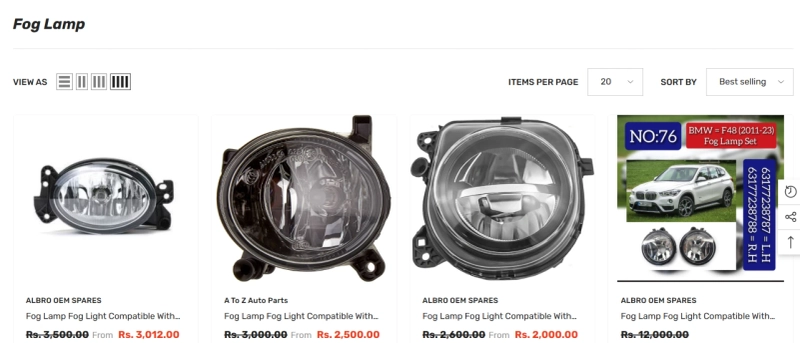
When it comes to enhancing road safety, especially in challenging weather conditions, fog lights car features play a crucial role. These specialized lights are designed to improve visibility during fog, heavy rain, snow, or dust storms, ensuring that drivers can navigate safely when regular headlights are not sufficient. Positioned lower on the vehicle, typically near the bumper, fog lights illuminate the road surface directly ahead, reducing glare and helping drivers detect obstacles, lane markings, and other vehicles more clearly. Understanding how fog lights work and why they are essential can make a significant difference in driving confidence and safety.
What Are Fog Lights?
Fog lights are auxiliary lighting systems specifically engineered to penetrate through dense fog and mist. Unlike standard headlights that cast a broad and long beam, fog lights emit a wide, short beam of light aimed towards the ground. This design minimizes the reflection of light back into the driver’s eyes, which is a common problem when using regular high beams in foggy weather. They are generally available in yellow or white hues because these colors are less likely to cause glare, providing better clarity in poor weather conditions.
Why Fog Lights Are Important
Driving in low-visibility situations can be dangerous without proper lighting. Fog lights enhance safety by improving the driver’s ability to see the edges of the road, lane markings, and potential hazards. They also make the vehicle more visible to other drivers, reducing the chances of collisions. In areas prone to heavy fog, rain, or snow, fog lights become more than just an accessory—they are a necessity. Their low-mounted position ensures the light beam remains close to the road surface, where visibility is usually clearer compared to higher elevations.
Types of Fog Lights
Fog lights come in various types, each offering different benefits:
- Halogen Fog Lights – These are the most common and affordable option. They produce a warm yellowish light that works well in misty or foggy conditions.
- LED Fog Lights – Known for their energy efficiency and longevity, LED fog lights provide a bright, focused beam with minimal power consumption. They also offer modern styling for vehicles.
- HID (High-Intensity Discharge) Fog Lights – These lights produce a very bright and intense beam, making them ideal for extremely low-visibility situations. However, they are more expensive than halogen or LED options.
Choosing the right type of fog light depends on your driving habits, budget, and the typical weather conditions in your region.
Proper Usage of Fog Lights
While fog lights are essential during poor visibility, using them correctly is equally important. They should only be turned on during fog, heavy rain, snow, or dust storms. Using them unnecessarily, such as during clear weather or in city traffic, can cause glare for other drivers. Most vehicles have a separate switch or control for fog lights, ensuring they can be activated only when needed.
Installation and Maintenance Tips
Many modern cars come equipped with factory-installed fog lights, but they can also be added as an aftermarket accessory. When installing fog lights, proper alignment is crucial to ensure they illuminate the road effectively without causing glare. Regular maintenance is also important—check the bulbs, wiring, and lens covers periodically to ensure optimal performance. Cleaning the lens covers helps maintain brightness, while timely bulb replacements prevent sudden failures during critical moments.
Legal Considerations
Different regions and countries have specific laws regarding the use of fog lights. In some places, using them when visibility is clear can result in fines. It’s important to familiarize yourself with local regulations to avoid penalties while ensuring safe driving practices.
Final Thoughts
Fog lights are more than just stylish additions to a vehicle; they are critical safety tools for driving in challenging weather. By improving visibility and reducing glare, they help drivers navigate safely through fog, rain, or snow. Whether your car comes with factory-installed fog lights or you choose to add them later, understanding their function, proper usage, and maintenance is essential. Investing in high-quality fog lights can significantly enhance both your driving experience and your overall road safety.