



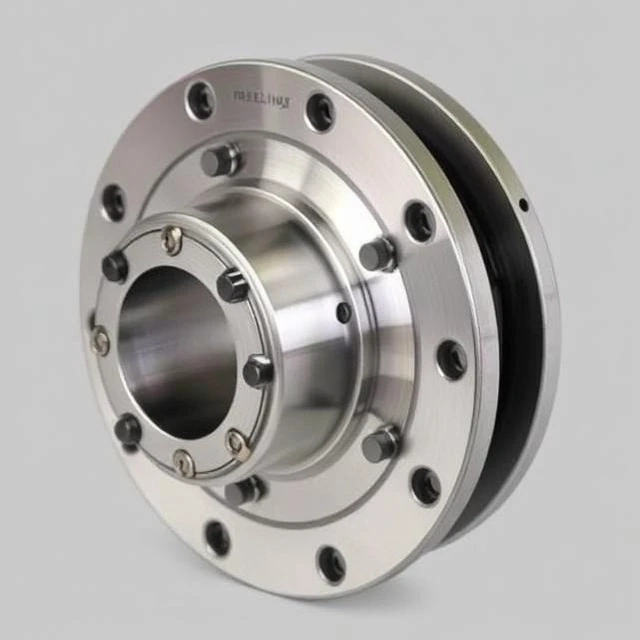
Fluid couplings are essential components in modern industrial machinery, providing smooth, controlled, and highly efficient power transmission. As industries continue to demand safer, more reliable, and maintenance-friendly systems, hydrodynamic technologies have become indispensable. Companies like Rathi Couplings have contributed significantly to this field by designing high-quality coupling solutions that improve machinery performance and extend equipment life.
Introduction to Fluid Couplings
Fluid couplings are hydrodynamic devices used to transmit power between rotating shafts without direct mechanical contact. Instead of relying on gears or rigid components, they use a specially formulated fluid to transfer torque. This eliminates sudden jerks, reduces wear and tear, and protects valuable machinery from overload and vibration.
Industries that operate heavy-duty equipment—such as mining, cement, steel, manufacturing, and power generation—prefer fluid couplings due to their ability to handle demanding conditions while ensuring operational safety.
How Fluid Couplings Work
A fluid coupling consists of three primary components:
- Impeller
- Turbine
- Hydraulic fluid
The impeller, attached to the driving shaft, accelerates the fluid. This moving fluid then strikes the turbine blades, causing the driven shaft to rotate. Because the torque transfer happens through fluid motion, machines start gradually, avoiding mechanical shock.
Rathi Couplings designs its fluid couplings with optimized fluid chambers and durable materials to ensure efficient torque transmission and stable performance in challenging industrial settings.
Advantages of Using Fluid Couplings
Fluid couplings offer a wide range of benefits that directly impact productivity, safety, and cost efficiency.
Smooth Start-Up
Machines equipped with fluid couplings experience soft and gradual acceleration. This prevents sudden stress on motors and gearboxes.
Overload Protection
When a machine encounters excessive load, fluid couplings allow controlled slip, preventing severe damage.
Reduced Mechanical Wear
Because there is no direct mechanical connection, components remain protected from friction and impact.
Vibration and Noise Reduction
Hydrodynamic operation naturally dampens vibrations, resulting in quieter and more stable machine performance.
Longer Equipment Life
Motors, belts, shafts, and gearboxes last significantly longer due to reduced strain during operation.
Energy Efficiency
High-quality engineering—such as that used by Rathi Couplings—ensures better fluid flow, reduced energy loss, and improved efficiency.
Applications of Fluid Couplings
Fluid couplings are widely used in industries where heavy loads and variable operational conditions are common. Common applications include:
- Conveyor belt systems
- Crushers and grinding mills
- Industrial pumps and blowers
- Mixers and agitators
- Heavy-duty compressors
- Bucket elevators
- Ventilation systems
- Material handling machinery
Their ability to protect equipment and ensure smooth operation makes them an essential component in systems requiring consistent power transmission.
Why Choose Fluid Couplings from Rathi Couplings
Rathi Couplings is known for its engineering excellence and commitment to producing high-performance power transmission solutions. Their fluid couplings are trusted by various industries for reliability, durability, and innovative design.
Key Advantages of Rathi Couplings
High-Quality Materials
Rathi Couplings uses premium alloys and high-strength components to ensure long service life.
Precision Engineering
Their couplings are designed using advanced hydrodynamic principles to enhance torque transfer and minimize energy losses.
Customization Options
Different industrial applications demand different torque and speed requirements. Rathi Couplings provides custom-built solutions to meet specific operational needs.
Built-In Safety
Their couplings include features that reduce overload risks, protect equipment, and maintain stable machine performance.
Low Maintenance
Due to robust construction, fluid couplings from Rathi Couplings require minimal servicing, reducing downtime and operational costs.
Factors to Consider When Choosing Fluid Couplings
Selecting the right fluid coupling is essential for achieving optimal performance. Important factors include:
Torque Requirements
Understanding load conditions ensures you select a coupling capable of handling operational torque.
Speed Ratings
High-speed applications demand specific types of fluid couplings engineered to operate safely under stress.
Environmental Conditions
Heat, dust, humidity, and chemical exposure influence the choice of materials and design.
Start-Up Characteristics
Applications that require soft start or load-dependent acceleration need appropriately rated couplings.
Maintenance Preferences
Selecting a coupling with long maintenance intervals reduces costs and improves plant efficiency.
Working with experienced manufacturers like Rathi Couplings ensures proper selection and long-term reliability.
Maintenance Best Practices for Fluid Couplings
While fluid couplings require less maintenance than mechanical couplings, regular inspection helps maintain peak performance.
- Check fluid levels periodically
- Replace the fluid as recommended by the manufacturer
- Inspect seals, bolts, and housings
- Ensure shaft alignment is correct
- Monitor temperature and vibration
- Keep the coupling clean and free from debris
Proper maintenance extends equipment life, enhances safety, and ensures consistent performance.
EEAT Guidelines and Content Quality
This article follows EEAT—Expertise, Experience, Authoritativeness, and Trustworthiness—by providing:
- Technical expertise: Clear explanations of hydrodynamic coupling principles
- Industry experience: Insights related to real industrial use cases
- Authoritativeness: Referencing respected manufacturers like Rathi Couplings
- Trustworthiness: Accurate, transparent, and practical information for users
EEAT ensures the content is valuable for engineers, maintenance professionals, and industrial decision-makers.
Frequently Asked Questions (FAQ)
1. What are fluid couplings mainly used for?
They are used to transmit power smoothly between shafts while protecting machinery from overload and vibration.
2. Do fluid couplings require regular maintenance?
Yes. Periodic checks of fluid level, seals, and temperature help maintain efficient operation.
3. How do fluid couplings extend equipment life?
They reduce mechanical stress, vibration, and sudden torque shocks, improving the longevity of motors, shafts, and gearboxes.
4. Are fluid couplings suitable for heavy industry?
Absolutely. They are widely used in mining, cement, steel, manufacturing, and power plants.
5. Why choose Rathi Couplings for fluid couplings?
Rathi Couplings provides high-quality materials, precision engineering, long-lasting designs, and custom solutions tailored to industrial needs.