



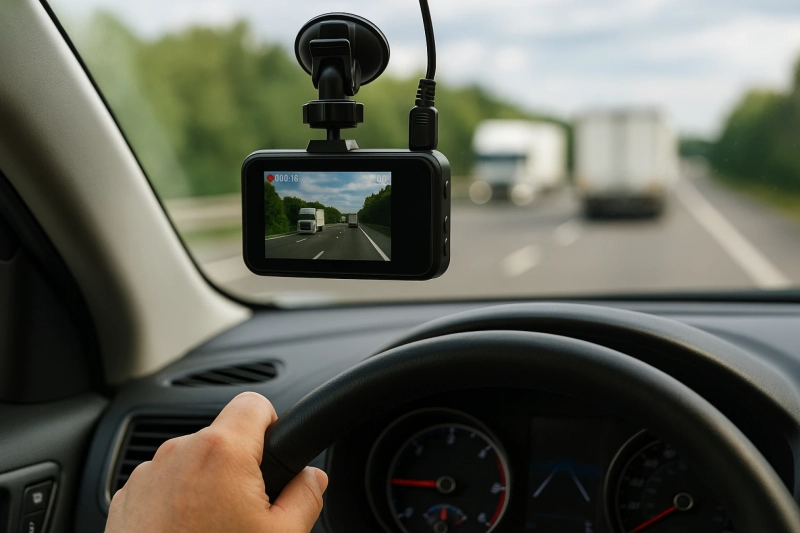
Fleet management has evolved far beyond manual logbooks and occasional vehicle checks. With rising safety expectations, stringent compliance requirements, and the need for real-time insights, businesses across Australia are embracing technologies that make operations smarter and more transparent. Among these innovations, the Dash Cam stands out as a game-changer. Once viewed as a simple recording device, dash cams have now become a critical tool for managing fleets efficiently, reducing risks, and safeguarding both drivers and assets.
This article explores why dash cam systems are fast becoming an industry standard, their benefits for businesses, and what the future holds for this essential technology.
The Rise of Smart Fleet Solutions
Why Fleet Monitoring Has Changed
Fleet operations were once heavily dependent on driver honesty and manual record-keeping. However, as industries like logistics, rideshare, and delivery face increasing pressure to improve safety and reduce costs, businesses are turning to smarter solutions. Real-time tracking and video evidence have become indispensable for companies that prioritize accountability.
Dash cam systems are not just a trend—they represent a shift toward data-driven decision-making. Companies that fail to adopt such tools risk falling behind competitors who leverage real-time insights to enhance safety and operational efficiency.
Dash Cams as a Core Component
The modern dash cam does far more than capture road footage. Today’s systems integrate seamlessly with telematics platforms, GPS tracking, and even AI-powered analytics. These features provide actionable data on driver behavior, vehicle health, and route efficiency. This evolution transforms dash cams into a vital part of risk management and compliance strategies.
For fleet managers, this means moving from reactive to proactive operations—identifying issues before they escalate and ensuring both drivers and vehicles perform optimally.
Benefits of Dash Cam Systems in Fleet Operations
Enhanced Safety for Drivers and Assets
Dash cams help reduce accidents by monitoring driver behavior. If a driver is distracted or fatigued, alerts can prompt corrective action before an incident occurs. In the event of a collision, footage becomes crucial evidence, protecting businesses from false claims and assisting with insurance processes.
Safety benefits extend beyond accidents. Dash cam data can identify patterns such as harsh braking, speeding, or long periods without rest. Fleet managers can then implement targeted training programs, improving safety culture across the organization.
Cost Reduction and Operational Efficiency
Insurers often reward companies that install dash cams with lower premiums because the technology mitigates risk. Moreover, video evidence helps resolve disputes quickly, avoiding costly legal battles. Combined with driver coaching based on dash cam data, businesses can reduce maintenance costs and fuel consumption through improved driving habits.
Operational gains include route optimization through recorded data and fewer vehicle downtimes caused by accidents or misuse. For businesses operating in competitive industries, these savings can significantly impact profitability.
Compliance and Liability Protection
Regulatory compliance in industries like mining, transport, and construction requires strict adherence to safety standards. Dash cams support compliance by documenting every journey and providing timestamped video evidence. This helps businesses demonstrate adherence to both internal policies and external regulations, reducing exposure to fines and penalties.
When compliance audits occur, having a robust dash cam system ensures businesses have verifiable records to support their safety claims—an advantage that cannot be overstated.
Technology Driving Modern Dash Cams
Key Features to Look For
When selecting a dash cam system, features like HD video quality, wide-angle lenses, night vision, and dual-camera setups are critical. These capabilities ensure clarity in all lighting conditions and provide comprehensive coverage inside and outside the vehicle.
Advanced Integrations
Cutting-edge systems now incorporate AI-powered driver monitoring, real-time alerts, and cloud-based storage. These tools enable fleet managers to act immediately when risky behaviors or hazards are detected.
For businesses seeking a complete solution, GeoSecure’s advanced dash cam technology delivers all these features and more. It integrates real-time video streaming, telematics data, and driver behavior monitoring into a single platform, offering unmatched visibility and control over your fleet.
How Dash Cams Improve Driver Accountability
One often-overlooked advantage of dash cams is their ability to foster accountability among drivers. Knowing that their actions are recorded encourages safer and more responsible behavior. Many companies report reduced instances of reckless driving and improved adherence to company policies after implementing dash cam systems.
This positive shift not only reduces accidents but also builds trust with clients who value safe, reliable service. For industries like logistics and passenger transport, reputation is everything, and dash cams help businesses maintain a professional image.
Privacy and Ethical Considerations
Balancing Security with Employee Privacy
While dash cams promote safety, they also raise privacy concerns. Employers should be transparent about why the technology is in place and how data is used. Implementing clear policies and obtaining consent ensures compliance with Australian privacy regulations.
Secure Data Handling
With sensitive video data being stored and transmitted, encryption and robust cybersecurity measures are essential. Choosing a provider that prioritizes secure storage and data protection safeguards both the business and its employees.
The Role of Dash Cams in Insurance and Legal Protection
Insurance disputes can be time-consuming and costly. Dash cam footage simplifies claims processing by providing indisputable evidence of what occurred during an incident. In cases where liability is contested, having clear video proof can prevent legal escalation and save businesses thousands in potential settlements.
This capability is particularly valuable in Australia’s commercial transport sector, where road conditions and shared-use highways can complicate fault determination. A dash cam ensures your business has the facts on its side.
The Future of Fleet Management with Dash Cams
The role of dash cams in fleet management is set to expand further. Future systems will likely leverage predictive analytics and AI to anticipate risks before they happen. Integration with autonomous driving technology and smart city infrastructure may make fleets even more connected and efficient. Businesses that invest in this technology now position themselves ahead of compliance requirements and technological advancements.
Additionally, expect developments such as:
- Driver wellness monitoring using biometric sensors integrated with dash cams.
- Automated incident reporting, reducing admin time for fleet managers.
- Integration with EV platforms, helping manage next-generation fleets sustainably.
Conclusion
Dash cams are no longer an optional accessory; they are a strategic investment for businesses focused on safety, efficiency, and compliance. By adopting modern dash cam systems, companies can protect their drivers, streamline operations, and prepare for a tech-driven future in fleet management.