



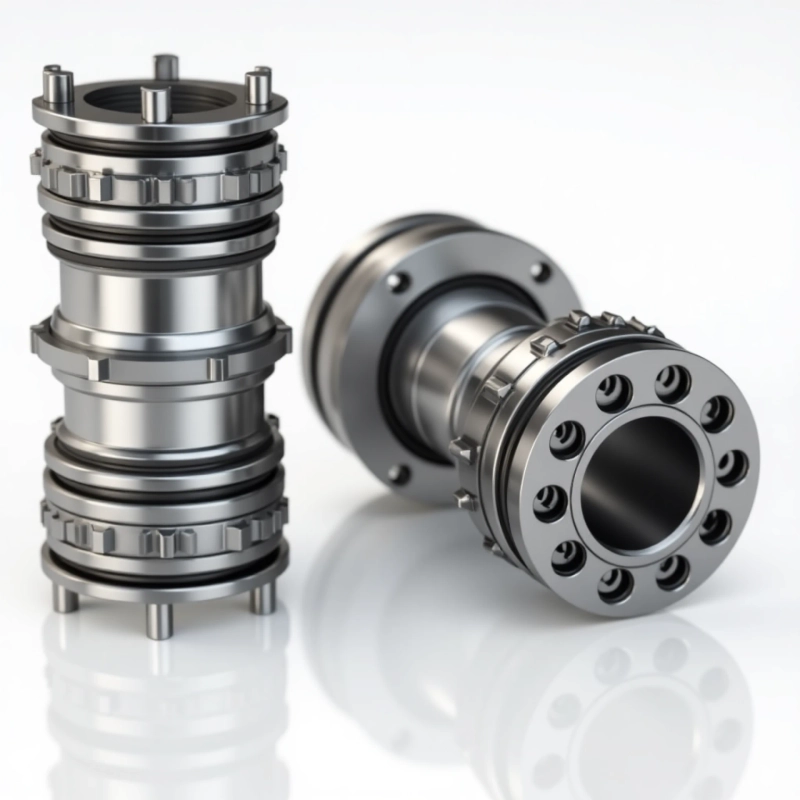
In the world of heavy machinery and high-torque operations, the importance of coupling systems cannot be overstated. Among the wide variety of mechanical couplings, flange couplings and tyre couplings stand out for their durability, precision, and ability to withstand the harshest environments. Whether you are designing a new machine or upgrading an existing setup, choosing the right coupling type and manufacturer can make or break your system’s efficiency.
In this blog, we’ll explore everything you need to know about flange couplings, the benefits of tyre couplings, and why working with a trusted tyre coupling manufacturer matters more than ever.
What is a Flange Coupling?
A flange coupling is a mechanical device used to connect two shafts together at their ends for the purpose of transmitting power. It consists of two cast iron flanges that are bolted together. Each flange is keyed to one of the shafts and the power is transmitted via the bolts.
Flange couplings are known for:
- Rugged Construction: Designed to handle high torque and heavy loads.
- Accurate Shaft Alignment: Minimizes vibration and misalignment.
- Ease of Maintenance: Simple to assemble, disassemble, and inspect.
- Stability: Ensures minimal movement during operation, making them ideal for critical applications.
Industries like manufacturing, mining, cement, and steel plants rely on flange couplings to keep their operations running smoothly.
Advantages of Using Flange Couplings
- High Torque Transmission:
- Flange couplings are built to handle massive torque loads without slippage, making them ideal for conveyors, pumps, and compressors.
- Easy Alignment and Repair:
- In case of mechanical failure or shaft damage, you can disassemble the flanges without disturbing the rest of the system, saving time and reducing downtime.
- Durability in Harsh Environments:
- These couplings can withstand dust, dirt, high pressure, and temperature variations, especially when fabricated from stainless steel or hardened iron.
- Low Maintenance Costs:
- Once installed, flange couplings require minimal maintenance apart from routine bolt tightening and occasional inspections.
What is a Tyre Coupling and Why Choose It?
A tyre coupling is a type of flexible coupling that uses a rubber or synthetic element (the “tyre”) to absorb vibrations, misalignments, and shocks in the drive system. These couplings are particularly suited for applications that require flexibility and vibration damping.
Key Benefits of Tyre Couplings:
- Torsional Flexibility: Ideal for absorbing load fluctuations and torque spikes.
- Noise & Vibration Reduction: Significantly reduces operational noise and protects both motors and gearboxes.
- Compensation for Misalignment: Can tolerate angular, parallel, and axial misalignments better than rigid couplings.
- Long Lifespan: The elastomeric tyre element is highly durable and easy to replace.
From HVAC systems to packaging lines and printing presses, tyre couplings have a vast range of applications.
How to Choose the Right Tyre Coupling Manufacturer
When selecting a tyre coupling manufacturer, you must consider:
- Quality Certifications: Ensure the manufacturer meets ISO and other relevant standards.
- Customization Capability: Your application might require specific bore sizes or torque ratings.
- Support and Delivery: Quick lead times, responsive support, and clear documentation are essential.
- Industry Experience: A reputed manufacturer will understand various industry demands and recommend the best solution.
By choosing a manufacturer with a strong track record and in-house engineering expertise, you guarantee a better return on investment.
Real-World Use Cases of Flange and Tyre Couplings
- Steel Plants: Heavy-duty flange couplings connect roller conveyors with high torque motors.
- Chemical Plants: Tyre couplings provide corrosion resistance and flexibility under high temperatures.
- Textile Units: Tyre couplings reduce vibration, preventing mechanical wear in spinning machines.
- Food Processing: Quick and hygienic tyre coupling replacements suit the hygiene standards in food production.
Conclusion: Invest in Quality Couplings for Long-Term Efficiency
Whether you're planning a new industrial project or upgrading an existing system, flange couplings and tyre couplings offer unmatched performance, durability, and operational stability. Choosing the right partner for manufacturing makes all the difference in system longevity and efficiency.
If you're looking to explore reliable industrial coupling solutions, check out this flange couplings resource to learn more about how the right components can elevate your machinery's performance.