



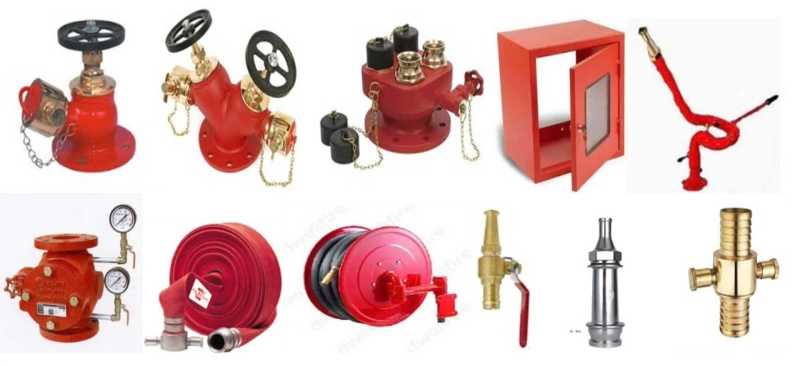
Fire safety is a critical concern for every building, whether residential, commercial, or industrial. While fire extinguishers and alarms provide initial protection, large and fast-spreading fires require a more powerful solution. This is where a fire hydrant system becomes essential. Designed to supply high-pressure water during emergencies, a fire hydrant system plays a key role in controlling fires and protecting lives and property.
In this blog, we will explore the uses and benefits of a fire hydrant system and understand why it is a vital component of modern building fire safety systems.
What Is a Fire Hydrant System?
A fire hydrant system is a fixed firefighting installation that delivers water through a network of pipes, pumps, and hydrant valves. It allows firefighters to connect hoses quickly and access a continuous water supply to extinguish fires efficiently.
These systems are commonly installed in high-rise buildings, factories, warehouses, shopping malls, hospitals, and residential complexes where fire risk and occupancy levels are high.
Primary Uses of a Fire Hydrant System.
1. Firefighting in Large Buildings
The main use of a fire hydrant system is to combat large fires that cannot be controlled using portable fire extinguishers. Hydrant systems provide a continuous and high-volume water supply, making them ideal for large-scale fire suppression.
2. Supporting Fire Brigade Operations
Fire hydrant systems are designed to work seamlessly with fire brigade equipment. Firefighters can connect their hoses to landing valves and quickly start firefighting operations without delay.
3. External and Internal Fire Protection
Hydrant systems protect both internal and external areas of a property. Yard hydrants are used for open spaces and industrial areas, while internal hydrants protect staircases, corridors, and floors inside buildings.
4. Backup for Other Fire Safety Systems
A fire hydrant system acts as a reliable backup to other fire protection systems such as sprinklers and fire alarms, especially during prolonged fire emergencies.
Key Benefits of Installing a Fire Hydrant System.
1. Ensures Quick Fire Control
One of the biggest benefits of a fire hydrant system is its ability to deliver water instantly at high pressure. This quick response helps contain the fire at an early stage, reducing damage and preventing it from spreading.
2. Protects Lives and Property
By enabling faster firefighting, hydrant systems significantly reduce risks to human life and minimize damage to buildings, equipment, and valuable assets.
3. Suitable for High-Risk Buildings
Buildings with high fire loads—such as factories, warehouses, and commercial complexes—require a robust fire safety system. Fire hydrant systems are designed specifically to handle such high-risk environments.
4. Continuous Water Supply
Unlike fire extinguishers, which have limited capacity, hydrant systems provide an uninterrupted water supply from dedicated fire water tanks, making them ideal for long-duration firefighting.
5. Compliance with Fire Safety Regulations
Installing a fire hydrant system helps buildings comply with fire safety regulations and National Building Code (NBC) requirements. Compliance not only ensures safety but also avoids legal penalties and insurance issues.
How Fire Hydrant Systems Improve Building Fire Safety.
1. Strategic Placement for Maximum Coverage
Hydrant valves are installed at strategic locations, ensuring water can reach all areas of the building quickly. This improves response time during emergencies.
2. Integration with Fire Pumps and Tanks
Fire hydrant systems are supported by powerful fire pumps and dedicated water storage tanks that maintain consistent pressure and flow, even in high-rise buildings.
3. Easy Access for Firefighters
Clearly marked hydrant points and hose cabinets allow firefighters to connect hoses without confusion or delay, improving overall firefighting efficiency.
Common Applications of Fire Hydrant Systems.
- Residential apartments and housing societies
- Commercial office buildings
- Shopping malls and multiplexes
- Industrial plants and factories
- Warehouses and logistics centers
- Hospitals, hotels, and educational institutions
These systems are a standard requirement for building fire safety in high-occupancy and high-risk premises.
Maintenance: A Key Factor in System Reliability.
To ensure reliable performance, regular fire hydrant system maintenance is essential. Routine checks help identify issues such as leaks, pressure loss, damaged hoses, or faulty valves.
Recommended maintenance practices include:
- Monthly inspection of pumps and valves
- Pressure testing of pipelines
- Inspection of R.R.L. fire hoses and hose reels
- Checking water tank levels
- Annual fire safety audits by certified professionals
Proper maintenance ensures the system is always emergency-ready.
Conclusion.
A fire hydrant system is not just a regulatory requirement—it is a critical investment in building safety. Its ability to provide high-pressure, continuous water supply makes it indispensable for controlling fires effectively. From protecting lives and assets to supporting firefighting teams and ensuring legal compliance, the uses and benefits of fire hydrant systems are undeniable.
For any building where fire safety is a priority, installing and maintaining a reliable fire hydrant system is essential. Partnering with experienced fire safety professionals ensures your system remains efficient, compliant, and ready to perform when it matters most.