


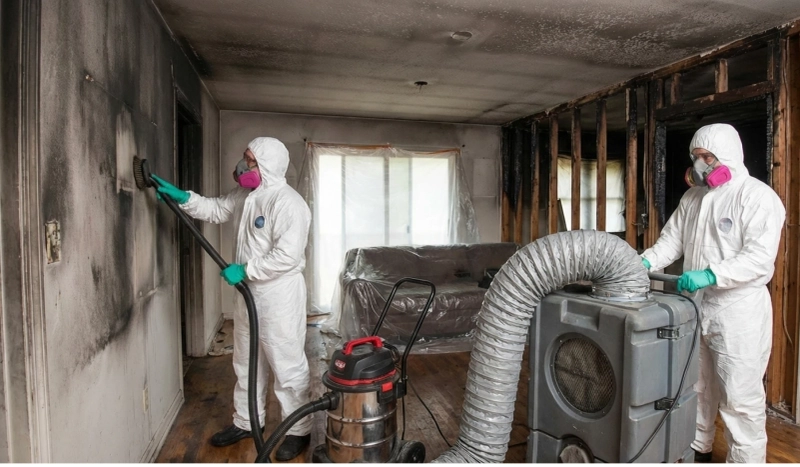
A fire can change everything in a matter of minutes. Beyond the immediate danger, the aftermath often leaves property owners overwhelmed by smoke damage, structural instability, water damage from firefighting efforts, and emotional distress. Fire damage restoration services exist to help homeowners and businesses recover safely, efficiently, and confidently after such devastating events.
This comprehensive guide explains what fire damage restoration services involve, why professional restoration is essential, and how these services restore not just buildings—but peace of mind.
Understanding Fire Damage: More Than Just Burned Materials
Fire damage extends far beyond visible flames and charred surfaces. Even small fires can cause widespread harm throughout a property.
Types of Fire Damage
Fire damage typically falls into several categories:
- Structural Damage: Weakening of walls, floors, ceilings, and support beams
- Smoke and Soot Damage: Acidic residue that stains surfaces and corrodes materials
- Water Damage: Resulting from sprinkler systems and fire hoses
- Odor Damage: Persistent smoke smells embedded in porous materials
- Electrical and Mechanical Damage: Compromised wiring, HVAC systems, and appliances
Each type requires specialized techniques to address safely and effectively.
What Are Fire Damage Restoration Services?
Fire damage restoration services are professional solutions designed to return a fire-damaged property to a safe, functional, and habitable condition. These services combine cleanup, repair, deodorization, and reconstruction under strict safety and industry standards.
The goal is not just cosmetic improvement—but complete restoration of safety, structure, and indoor air quality.
Why Professional Fire Damage Restoration Is Essential
Attempting DIY cleanup after a fire can be dangerous and ineffective. Professional restoration is critical for several reasons:
1. Safety Risks
Fire-damaged buildings may contain:
- Hidden structural weaknesses
- Toxic soot particles
- Electrical hazards
- Mold growth from lingering moisture
Certified restoration technicians are trained to identify and mitigate these risks safely.
2. Specialized Equipment and Expertise
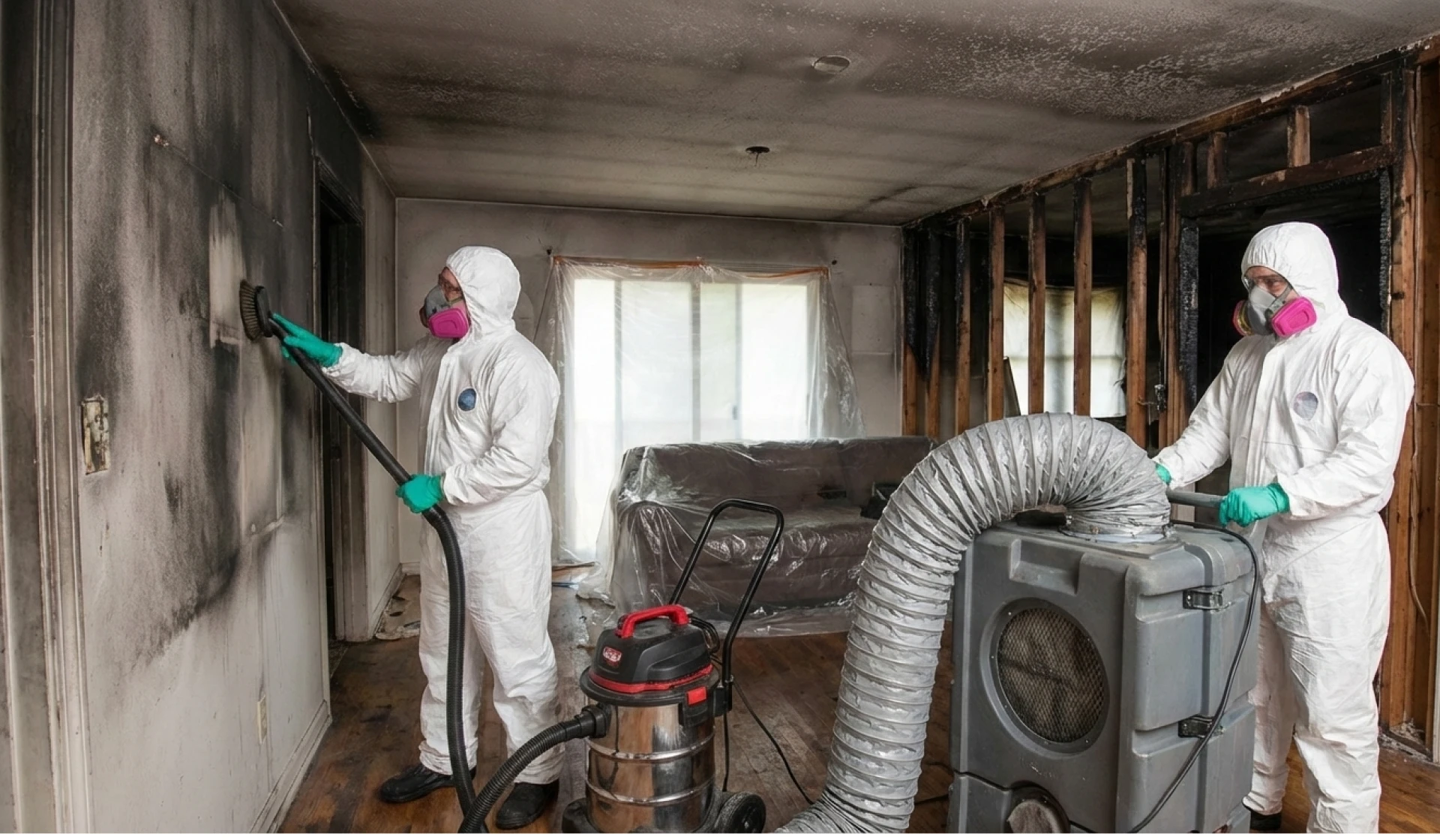
Professionals use industrial-grade tools such as:
- HEPA air scrubbers
- Thermal foggers
- Ozone generators
- Moisture detection meters
These tools ensure deeper, more effective restoration than household equipment.
3. Faster Recovery
Fire restoration teams follow proven processes that reduce downtime, helping homeowners and businesses return to normal faster.
4. Insurance Claim Assistance
Many restoration companies help document damage, provide estimates, and work directly with insurance providers—reducing stress and delays.
The Fire Damage Restoration Process: Step by Step
While every fire is unique, most restoration projects follow a structured process to ensure thorough recovery.
1. Emergency Response and Inspection
Restoration begins with a rapid on-site assessment. Technicians evaluate:
- Extent of fire, smoke, and water damage
- Structural stability
- Safety hazards
An action plan is then created to prioritize urgent needs.
2. Securing the Property
To prevent further damage or unauthorized access, professionals may:
- Board up windows and doors
- Tarp damaged roofs
- Install temporary fencing
This step protects the property from weather exposure and vandalism.
3. Water Removal and Drying
If firefighting efforts caused water damage, immediate extraction is essential. Restoration teams:
- Remove standing water
- Deploy dehumidifiers and air movers
- Monitor moisture levels
Proper drying prevents mold growth and structural decay.
4. Smoke and Soot Removal
Smoke residue spreads quickly and can penetrate walls, fabrics, and HVAC systems. Professionals use specialized cleaning methods for:
- Walls, ceilings, and floors
- Furniture and personal belongings
- Electronics and appliances
Different soot types (wet, dry, protein, fuel-oil) require different cleaning approaches.
5. Odor Neutralization
Smoke odors are stubborn and often resurface if not properly treated. Restoration experts eliminate odors using:
- Thermal fogging
- Ozone or hydroxyl generators
- Deep cleaning of porous materials
The result is clean, breathable indoor air.
6. Structural Cleaning and Sanitization
All affected areas are cleaned and disinfected to remove:
- Toxic residues
- Bacteria and contaminants
- Fire-related pollutants
This step ensures the property meets health and safety standards.
7. Repairs and Reconstruction
The final phase involves restoring the structure itself, which may include:
- Drywall replacement
- Flooring repair
- Painting and finishing
- Electrical and plumbing repairs
In many cases, the property is restored to its pre-fire—or even improved—condition.
Residential vs. Commercial Fire Damage Restoration
While the core principles remain the same, restoration needs differ between homes and businesses.
Residential Restoration
Focuses on:
- Family safety
- Personal belongings
- Emotional recovery
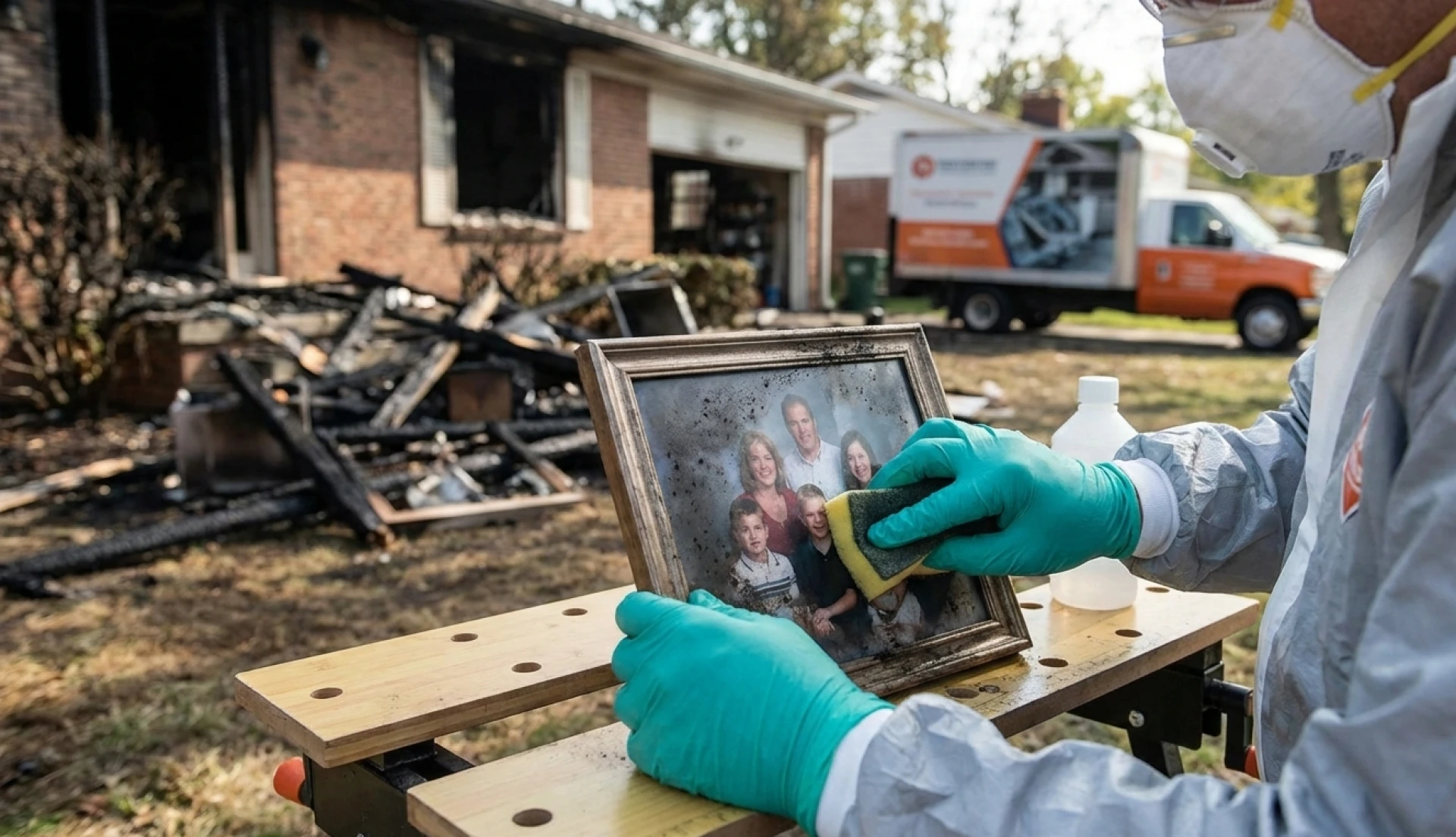
Professionals often take extra care with sentimental items like photographs, heirlooms, and furniture.
Commercial Restoration
Prioritizes:
- Business continuity
- Compliance with regulations
- Minimizing downtime
Commercial projects often require large-scale cleanup, coordination with inspectors, and after-hours work to reduce disruption.
Common Challenges After Fire Damage
Fire restoration is complex and presents several challenges:
- Hidden Damage: Smoke and heat can weaken areas not visibly burned
- Lingering Odors: Improper cleaning can cause odors to return months later
- Insurance Delays: Incomplete documentation may slow claims
- Emotional Stress: Fire loss can be traumatic for occupants
Professional restoration teams are trained to manage these challenges with experience and care.
Choosing the Right Fire Damage Restoration Company
Selecting the right restoration partner is critical to a successful recovery. Look for companies that offer:
- 24/7 Emergency Response
- Certified and Trained Technicians
- Comprehensive Services (fire, smoke, water, and reconstruction)
- Insurance Coordination
- Clear Communication and Transparency
Experience, certifications, and customer reviews are strong indicators of reliability.
Preventing Further Damage After a Fire
While waiting for professionals to arrive, property owners can take limited steps to reduce additional damage:
- Avoid touching soot-covered surfaces
- Ventilate if safe to do so
- Document damage with photos for insurance
- Keep pets and people out of unsafe areas
Never attempt structural repairs or electrical work without professional approval.
The Emotional Side of Fire Restoration
Fire damage restoration isn’t just about buildings—it’s about people. Losing a home or business can be emotionally overwhelming. Reliable restoration professionals understand this and provide:
- Compassionate communication
- Clear timelines and expectations
- Support throughout the recovery process
Restoring peace of mind is just as important as restoring walls and floors.
From Damage to Recovery
Fire damage can feel like an impossible setback, but with professional fire damage restoration services, recovery is achievable. From emergency response to full reconstruction, these services restore safety, structure, and stability helping property owners move forward with confidence.
By acting quickly and choosing experienced professionals, homeowners and businesses can minimize losses, protect their health, and rebuild stronger than before.
Fire may cause destruction—but with the right restoration approach, it doesn’t have to define the future.
#FireDamageRestorationService
#WaterDamageRestorationCompanyNearMe
#WaterDamageRestorationCompany
#WaterDamageRestorationCost
#WaterDamageRestoration
#WaterDamageRestorationServiceNearMe
#WaterDamageRestorationNearMe
#FireAndWaterDamageRestoration
#24/7WaterCleanupService
#EmergencyWaterDamageRestoration
#WaterFireDamageRestoration
#FireDamageRestorationNearMe