



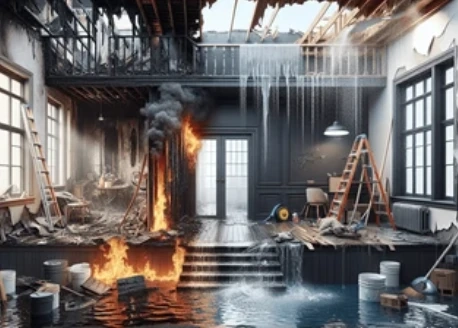
Fire remains one of the most destructive threats to residential and commercial properties alike. In mere minutes, a small ignition can escalate into a catastrophic event, leaving behind not only visible destruction but also lingering smoke, soot, and structural compromise. While professional Fire & Smoke Damage Restoration plays a vital role in recovery after an incident, prevention remains the most powerful safeguard. Through disciplined awareness, proactive planning, and consistent maintenance, property owners can dramatically reduce fire risks and protect what matters most.
1. Prioritize Smoke Detection Systems
Early warning remains the cornerstone of fire safety. Smoke detectors provide the critical first alert that allows occupants to respond before a situation becomes unmanageable. These devices should be installed on every level of a property, including near sleeping areas and high-risk zones such as kitchens or utility rooms.
Routine testing ensures operational readiness, while scheduled battery replacement prevents silent failures. Advanced interconnected systems further enhance protection by triggering alarms throughout the entire structure simultaneously, creating valuable time for evacuation and response.
2. Maintain Electrical Infrastructure with Precision
Faulty electrical systems represent a leading cause of residential fires. Aging wiring, overloaded circuits, and outdated panels pose silent but severe risks. Professional electrical inspections help identify vulnerabilities long before they manifest as emergencies.
Property owners are advised to avoid excessive reliance on extension cords, ensure appliances are properly rated, and promptly address flickering lights or unusual odors. Proactive electrical stewardship not only enhances safety but also preserves long-term structural integrity.
3. Practice Kitchen Fire Discipline
The kitchen remains a central hub of activity—and one of the most common origins of fire incidents. Unattended cooking, overheated oils, and flammable materials placed near heat sources significantly increase risk.
Safe cooking practices include maintaining constant supervision, keeping combustible items at a safe distance, and ensuring stovetops and ovens are cleaned regularly to prevent grease accumulation. Fire extinguishers should be readily accessible, and occupants should be trained in their proper use to contain small incidents before escalation occurs.
4. Establish Clear and Practiced Evacuation Plans
Preparedness extends beyond prevention. A clearly defined evacuation plan ensures that all occupants understand how to respond decisively under pressure. This plan should identify multiple exit routes, designate assembly points, and assign responsibilities where appropriate.
Routine drills reinforce familiarity and reduce panic during real emergencies. For multi-level or commercial properties, visual evacuation maps enhance clarity and compliance. Such structured preparation can mean the difference between orderly evacuation and preventable harm.
5. Store Flammable Materials with Strategic Care
Household and commercial environments often contain flammable substances such as cleaning agents, fuels, and solvents. Improper storage of these materials dramatically increases fire risk.
Best practices dictate storage in well-ventilated areas, away from ignition sources, and within approved containers. Clear labeling and adherence to manufacturer guidelines further reduce hazards. Conscious material management represents a fundamental aspect of comprehensive fire prevention.
6. Invest in Fire Suppression Technology
Fire extinguishers, sprinkler systems, and suppression tools provide an essential line of defense when prevention fails. Portable extinguishers should be strategically placed and matched to potential fire types, whether electrical, grease-based, or combustible solids.
Modern sprinkler systems, once considered exclusive to commercial properties, are increasingly common in residential settings. These systems activate automatically, controlling fires at their earliest stages and significantly reducing damage, repair costs, and recovery timelines.
7. Exercise Vigilance with Heating Equipment
Heating appliances, fireplaces, and portable heaters demand meticulous attention. Improper placement or maintenance can rapidly transform these comforts into liabilities.
Clearance from combustible materials, annual inspections, and strict adherence to manufacturer guidelines are non-negotiable standards. Chimneys and vents should be cleaned regularly to prevent creosote buildup, a highly flammable residue that poses substantial risk during colder months.
8. Integrate Fire-Resistant Building Materials
Construction and renovation decisions directly influence fire resilience. Fire-resistant roofing, treated wood, insulated walls, and tempered glass significantly slow the spread of flames and heat.
While no material offers absolute immunity, thoughtful selection enhances containment and reduces overall impact. In the unfortunate event of a fire, such measures can substantially limit the extent of damage requiring professional Fire & Smoke Damage Restoration services.
9. Cultivate Awareness Through Education
Fire safety is most effective when it is understood and respected by all occupants. Education fosters vigilance, accountability, and informed decision-making. Training sessions, safety briefings, and clear communication ensure that individuals recognize risks and respond appropriately.
Children, employees, and residents alike benefit from age-appropriate instruction that emphasizes prevention, emergency response, and respect for safety protocols. A culture of awareness transforms fire safety from a checklist into a shared responsibility.
10. Partner with Professional Restoration Experts
Despite best efforts, no property is entirely immune to fire-related incidents. When prevention proves insufficient, rapid professional intervention becomes essential. Trusted specialists such as Voda Cleaning & Restoration provide comprehensive solutions designed to address both immediate damage and long-term consequences.
Through advanced assessment techniques, precise mitigation strategies, and meticulous restoration processes, experienced professionals restore safety, functionality, and confidence. Fire & Smoke Damage Restoration conducted by qualified experts not only repairs visible damage but also addresses hidden threats such as lingering odors, soot infiltration, and compromised air quality.
The Broader Value of Proactive Fire Safety
Fire safety extends beyond compliance or insurance considerations. It reflects a commitment to preservation, continuity, and stewardship. Properties safeguarded through proactive measures experience fewer disruptions, lower restoration costs, and faster recovery trajectories.
Organizations and homeowners who invest in prevention demonstrate foresight and responsibility, strengthening trust among occupants, clients, and stakeholders. In contrast, reactive approaches often result in prolonged downtime, complex restoration processes, and avoidable losses.
When Prevention Meets Professional Excellence
In scenarios where fire incidents do occur, the transition from emergency response to recovery must be seamless. Voda Cleaning & Restoration exemplifies a structured, professional approach that integrates technical expertise with compassionate service delivery. Their comprehensive methodology ensures that properties affected by fire are restored to a condition that supports safety, comfort, and operational continuity.
The importance of Fire & Smoke Damage Restoration cannot be overstated, particularly when addressing hidden damage that may compromise health or structural stability if left untreated. Timely intervention protects both physical assets and long-term well-being.
Conclusion
Fire safety is not defined by a single action but by a disciplined combination of awareness, preparation, and professional support. By implementing these ten fire safety principles, property owners significantly reduce risk while strengthening resilience against unforeseen events.
While advanced Fire & Smoke Damage Restoration services remain indispensable after an incident, true protection begins long before flames ignite. Through informed prevention and trusted partnerships such as Voda Cleaning & Restoration, homes and businesses alike can stand better prepared—secure in the knowledge that both safety and recovery are firmly within reach.