



A Gentle Path to Easing Stress and Restoring Peace in Daily Life
Anxiety has become one of the most common mental health challenges in today’s fast-paced world. With constant responsibilities, technology-driven overwhelm, and limited time for rest, many people experience ongoing tension, restlessness, and emotional imbalance. In the search for natural, effective ways to manage these symptoms, yoga has emerged as one of the most powerful and accessible practices. For many, incorporating yoga into their daily routine becomes a transformative tool that nurtures both mind and body. Among the many styles of yoga available today, practicing yoga to reduce anxiety has proven especially supportive, helping individuals regain inner calm and build long-term resilience.
Yoga offers far more than physical benefits. It encourages mindful breathing, grounding movements, and emotional awareness, creating a safe space where people can slow down, reconnect, and release accumulated stress. Whether someone practices at home, in a studio, or outdoors, the impact of regular yoga on anxiety relief can be profound.
Understanding How Yoga Helps Ease Anxiety
Anxiety affects the nervous system by triggering fight-or-flight responses. This reaction increases heart rate, tightens muscles, and creates a state of hypervigilance. Yoga counteracts these effects through slow, mindful movements and regulated breathing that activate the parasympathetic nervous system. This shifts the body from stress mode into a calmer, more restful state.
Breathing exercises, such as deep belly breathing, help slow the heart rate and regulate cortisol levels. Gentle movements release tension stored in muscles, especially in the shoulders, neck, jaw, and hips—areas that tend to tighten when the body is under stress. The combination of physical release and breath awareness provides immediate relief while gradually retraining the nervous system to respond more calmly to stressors.
Yoga also encourages mindfulness, which plays a crucial role in managing anxiety. Instead of being pulled into constant thoughts, worries, or fears about the future, mindfulness teaches individuals to anchor themselves in the present moment. Over time, this reduces the power of anxious thoughts and builds emotional stability.
The Mind-Body Connection in Anxiety Relief
One of yoga’s greatest strengths is its ability to integrate the mind and body. When people feel anxious, they often disconnect from their physical sensations as a form of self-protection. Yoga gently guides them back into awareness by encouraging them to notice their breath, posture, and inner sensations without judgment.
This reconnection helps individuals understand where they hold tension, how their breath changes with stress, and how certain postures influence emotional states. With practice, people learn to identify early signs of anxiety and use yoga techniques—such as grounding poses or slow breathing—to shift their emotional experience before the anxiety escalates.
In this way, yoga becomes not just an activity but a lifelong coping tool.
Accessible and Supportive Yoga Poses for Calming the Mind
While yoga includes a wide range of postures, simple and gentle poses are often the most effective for easing anxiety. Slow movements and supported stretches encourage relaxation and emotional release.
Poses that open the chest help counteract the slumped posture associated with stress and worry, allowing deeper breathing and improved circulation. Hip-opening poses release tension stored in the lower body, an area where emotional stress often accumulates. Restorative poses using blankets, pillows, or bolsters allow the body to fully relax and unwind.
Additionally, seated forward folds and gentle twists help calm the mind, soften the breath, and ease nervous energy. These poses encourage inward focus and promote stillness, both of which support emotional balance.
Breathing Techniques for Emotional Calm
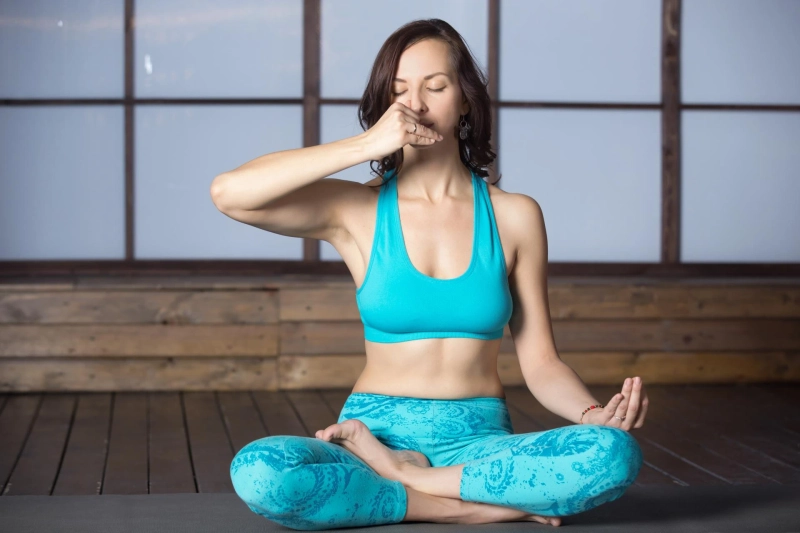
Breathing is one of the most powerful tools for reducing anxiety. Slow, mindful breathing helps regulate the nervous system and shifts the mind away from stressful thoughts.
One of the simplest techniques is lengthening the exhale. When individuals breathe out slowly, the body naturally relaxes. Another supportive technique is belly breathing, where attention is placed on filling the abdomen with air rather than shallow chest breathing. This helps reduce tension and promotes deeper rest.
Practicing these techniques regularly helps develop emotional resilience, making it easier to manage anxiety during challenging moments.
How Yoga Encourages Emotional Awareness and Self-Compassion
Beyond physical and breathing practices, yoga nurtures emotional wellness by encouraging introspection and self-compassion. People dealing with anxiety often experience harsh self-criticism, unrealistic expectations, and emotional overwhelm. Yoga teaches individuals to observe their thoughts without judgment and approach their inner world with kindness.
Through meditation and mindful movement, practitioners learn to honor their emotional experiences rather than suppress them. This gentle acceptance becomes a powerful tool for healing. Over time, yoga helps individuals develop a more compassionate relationship with themselves, reducing anxiety triggers and improving emotional well-being.
Why Consistency Matters in Anxiety Relief
Practicing yoga once can create immediate calm, but the long-term benefits come from consistent practice. Even short sessions performed daily or several times a week can create meaningful improvements in mood, sleep quality, and stress levels.
Consistency helps retrain the nervous system to respond more calmly to stress. It also develops physical habits that reduce tension over time. As individuals build a routine, they begin to notice increased clarity, emotional stability, and resilience.
Yoga does not require perfection or advanced poses. What matters most is the willingness to show up, breathe, and move with intention.
Conclusion
Yoga offers a gentle yet profoundly effective pathway to easing anxiety and restoring emotional balance. Through mindful movement, intentional breathing, and compassionate awareness, individuals can transform their relationship with stress and reconnect with their inner calm. For anyone seeking a supportive space to explore yoga’s calming benefits, Sundance Yoga Studio - Aerial, Restorative & Gentle Yoga Classes in Pearland provides a welcoming environment where emotional well-being and mindful practice come together to nurture peace of mind.