



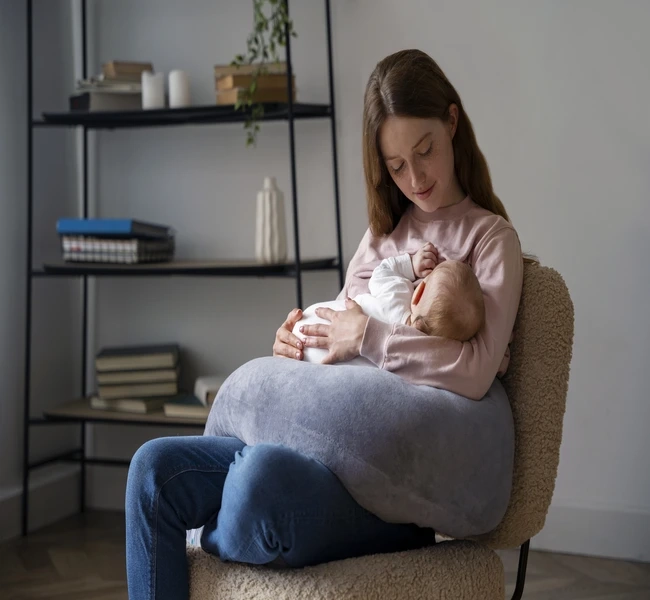
Having a baby is often described as one of the happiest moments in life. Yet for many new parents, joy doesn’t arrive alone. It can bring along fear, racing thoughts, and a constant feeling of being on edge. If you’re lying awake listening to your baby breathe, worrying about every decision, or feeling overwhelmed by thoughts you can’t shut off, you’re not broken—and you’re definitely not alone.
This article is a supportive, down-to-earth guide on how to get through postpartum anxiety, written in everyday language with real-life examples. You don’t need a medical background to understand it, and you don’t need to have everything figured out to benefit from it. Think of this as a calm conversation with someone who understands how heavy those early months can feel.
We’ll talk about what postpartum anxiety looks like, why it happens, how it connects to mood changes after birth, and most importantly, what you can do to feel more like yourself again.
What Postpartum Anxiety Really Feels Like
Postpartum anxiety isn’t just “being a worried parent.” It’s worry turned up so loud that it starts running your day.
Imagine your mind as a smoke alarm. Normally, it goes off when there’s real danger—like a fire.
With anxiety, the alarm is extra sensitive. Burn a piece of toast, and suddenly it’s blaring nonstop. Your brain is trying to protect you, but it’s overreacting.
Common signs include:
- Constant worry that won’t ease, even when things are going well
- Racing thoughts, especially at night
- A tight chest, shaky hands, or a fluttery feeling in your stomach
- Feeling restless or unable to relax
- Fear of something bad happening, even without a clear reason
Some parents feel anxious about their baby’s health. Others worry about their own abilities, relationships, or returning to work. The topic may change, but the feeling stays the same: exhausting and overwhelming.
Why Anxiety Can Show Up After Birth
After childbirth, your body and life go through huge changes all at once. Hormones drop quickly, sleep becomes broken, and your responsibilities multiply overnight. It’s like being handed a brand-new job with no training, no breaks, and very high stakes.
A few common contributors include:
Hormone Shifts
Right after birth, levels of pregnancy hormones fall fast. This sudden change can affect mood and emotional balance, similar to how some people feel irritable or low before their period—but much stronger.
Lack of Sleep
Sleep deprivation makes everything harder. When your brain doesn’t get enough rest, it has trouble sorting worries from reality. Small concerns can feel like major threats.
Pressure to “Do It Right”
Social media, advice from others, and internal expectations can create the feeling that you must be perfect. When real life doesn’t match that image, anxiety often fills the gap.
Past Anxiety or Stress
If you’ve dealt with anxiety before, pregnancy and postpartum life can stir it up again, even if it was quiet for years.
The Link Between Anxiety and Postpartum Depression
Many new parents wonder, can postpartum depression cause anxiety. The short answer is yes—these experiences often overlap.
Think of mood and anxiety like weather patterns. Sometimes it’s all rain, sometimes all wind, and sometimes a storm has both. Some people feel mostly sad and withdrawn. Others feel mostly tense and worried. Many feel a mix of both.
You don’t need to fit into one neat category to deserve support. Whether your symptoms lean more toward fear, sadness, or both, what matters is how they’re affecting your life.
How Postpartum Anxiety Can Sneak Into Daily Life
Anxiety doesn’t always announce itself clearly. Sometimes it blends into daily routines so well that you don’t realize what’s happening.
It might look like:
- Checking on your baby dozens of times because you can’t trust yourself to relax
- Avoiding outings because “something might happen”
- Replaying conversations and decisions in your head
- Feeling guilty for resting instead of being productive
Over time, this can shrink your world. Activities you once enjoyed may feel impossible. The goal of coping isn’t to eliminate all worry—that’s unrealistic—but to turn down the volume so you can live again.
Gentle Ways to Calm an Anxious Mind
There’s no single fix, but small, steady steps can make a big difference. Think of anxiety recovery like learning to walk on a shaky bridge. You move slowly, one plank at a time.
Start With Your Breath
When anxiety hits, your breathing often becomes shallow and fast. Slow breathing sends a message to your brain that you’re safe.
Try this:
- Breathe in through your nose for four seconds
- Hold for two seconds
- Breathe out through your mouth for six seconds
Do this for a few minutes. It’s like pressing a reset button on your nervous system.
Lower the Bar
You don’t need to “bounce back” or do everything perfectly. Focus on what truly matters today: feeding yourself, caring for your baby, and resting when possible. Everything else is optional.
Talk Back to Anxious Thoughts
Anxiety loves worst-case scenarios. When a scary thought pops up, ask yourself:
- Is this a fact or a fear?
- What would I say to a friend who felt this way?
You’re not trying to argue with your mind—just bringing balance back into the conversation.
Build Predictable Routines
Simple routines can be comforting. A morning stretch, a daily walk, or a bedtime ritual tells your brain what to expect, reducing that constant sense of uncertainty.
The Power of Support (You Don’t Have to Do This Alone)
Anxiety thrives in silence. Sharing what you’re feeling can weaken its grip.
Reach Out to Someone You Trust
This could be a partner, friend, or family member. You don’t need to have the perfect words. Even saying, “I’m having a hard time,” is enough.
Consider Professional Help
Therapists who work with new parents understand these struggles. Talking to a professional is like having a guide while you navigate unfamiliar terrain.
Community and Resources
Some parents find comfort in supportive tools and education designed for the postpartum period. Brands like MAMAZEN focus on helping new parents feel informed and less alone during this intense transition.
Taking Care of Your Body to Help Your Mind
Mental health and physical health are deeply connected, especially after birth.
- Eat regularly, even if meals are simple. Low blood sugar can make anxiety worse.
- Drink water throughout the day. Dehydration can mimic anxiety symptoms.
- Move gently when you can. A short walk or light stretching can release built-up tension.
Think of your body like a phone battery. When it’s constantly running on low, everything feels harder to manage.
What Recovery Actually Looks Like
Healing from postpartum anxiety isn’t a straight line. Some days will feel lighter, others heavier. Progress might look like worrying a little less, sleeping a little better, or laughing again without forcing it.
Recovery doesn’t mean anxiety disappears forever. It means you gain tools and confidence to handle it when it shows up. Over time, those anxious moments lose their power.
Conclusion: You Are Not Failing—You Are Adjusting
Postpartum anxiety can make you feel weak, broken, or ungrateful. None of that is true. You’re responding to enormous changes with a nervous system that’s trying to protect you, even if it’s being a bit too loud.
With patience, support, and practical tools, calm can return. You don’t need to rush the process or compare your journey to anyone else’s. One step at a time is enough.
You deserve care, understanding, and peace—just as much as your baby does.
Frequently Asked Questions (FAQ)
How do I know if what I’m feeling is postpartum anxiety or just normal worry?
Normal worry comes and goes. Postpartum anxiety sticks around, feels intense, and interferes with daily life or sleep.
Can postpartum depression cause anxiety?
Yes. Many parents experience both at the same time, and symptoms often overlap.
Will postpartum anxiety go away on its own?
For some people it improves with time, but support and coping tools can make recovery faster and less painful.
Is it okay to ask for help even if my baby is healthy?
Absolutely. Your mental health matters, regardless of how things look on the outside.
What if I’m afraid to talk about my thoughts?
That fear is common. A trained professional has heard it all and is there to help, not judge.