



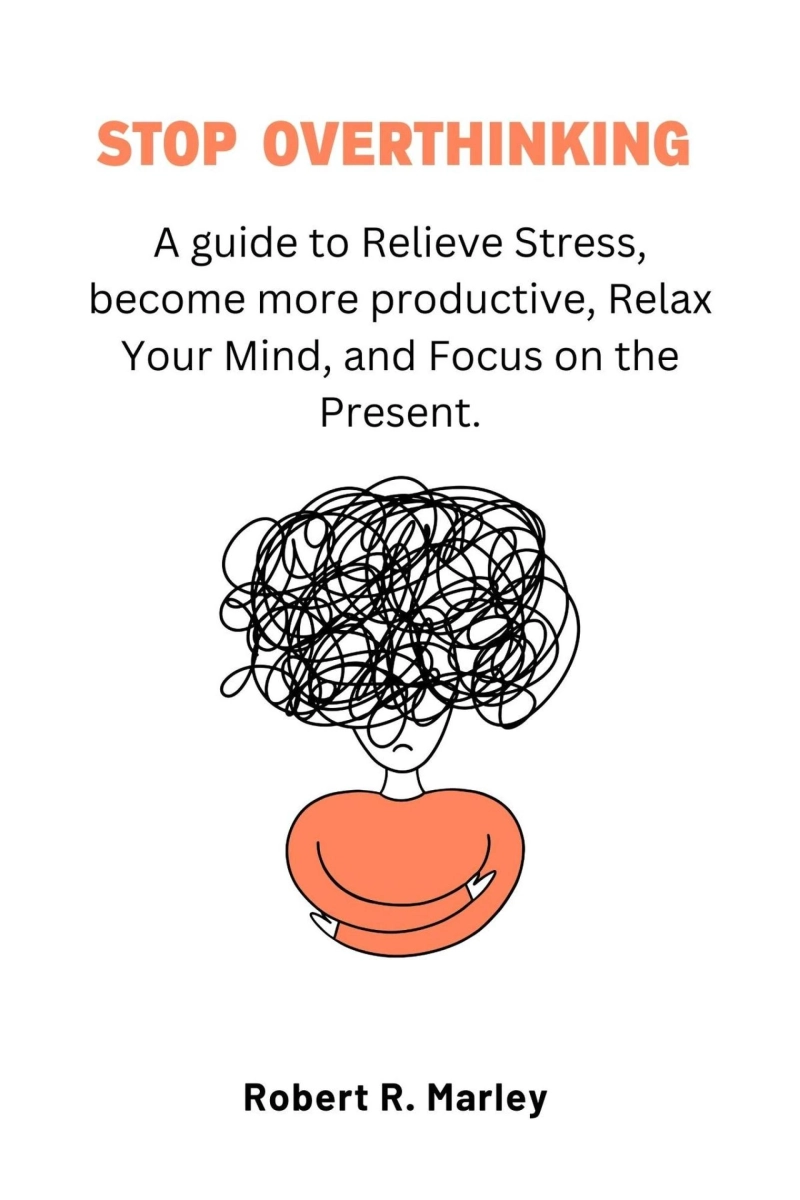
In a fast-paced world where our minds never seem to rest, learning how to stop overthinking and be present is one of the greatest gifts we can give ourselves. Constant mental chatter often clouds our judgment, drains our energy, and prevents us from truly enjoying the moment. But presence — that deep awareness of now — is the antidote.
Whether you’re struggling with anxiety, stress, or a restless mind, this guide will help you build a more peaceful relationship with your thoughts and reconnect with the life unfolding right in front of you.
The Hidden Cost of Overthinking
Overthinking often feels productive — like you’re problem-solving — but it quietly traps you in a loop of mental noise. When left unchecked, it can lead to emotional exhaustion, poor decision-making, and self-doubt.
Common signs that you’re overthinking:
- Replaying past mistakes or conversations repeatedly
- Worrying excessively about the future
- Struggling to fall asleep because your mind won’t turn off
- Seeking constant reassurance for your decisions
- Feeling emotionally drained even after doing nothing
These patterns are familiar to most of us, but the key lies in recognizing that you are not your thoughts — you’re the awareness observing them.
Why the Present Moment Matters
When you live in the present, you access a peaceful mental space where clarity and calm coexist. Mindfulness allows you to engage more deeply with your surroundings, relationships, and experiences.
Being present helps you:
- Reduce stress and anxiety
- Improve focus and creativity
- Strengthen emotional resilience
- Build meaningful connections
- Enhance overall happiness and contentment
The present moment is where life truly happens. The past is memory; the future is imagination. Presence brings you home.
Steps to Stop Overthinking and Cultivate Presence
Learning how to stop overthinking and be present isn’t about eliminating thoughts — it’s about changing your relationship with them. Here are proven methods to anchor yourself in the moment.
1. Practice Conscious Breathing
Your breath is the simplest and most powerful anchor to the present. Try this:
- Inhale deeply through your nose for four counts
- Hold for two counts
- Exhale slowly through your mouth for six counts
- Repeat this pattern for a few minutes. Each breath becomes a reminder that now is enough.
2. Engage Your Senses
Overthinking lives in the mind; presence lives in the body.
Take a moment to notice what you can see, hear, touch, taste, and smell.
This sensory grounding technique instantly reconnects you with your surroundings.
3. Limit Information Overload
Constant notifications and social media scrolling fuel overthinking.
Schedule digital breaks throughout your day and create tech-free zones.
Protecting your mental space helps your thoughts settle naturally.
4. Journal Your Thoughts
Writing provides clarity and perspective.
When you feel overwhelmed, jot down your worries without judgment.
This process helps externalize your thoughts, freeing your mind from their grip.
5. Reframe Your Perspective
Instead of asking, “What if things go wrong?” ask, “What if things go right?”
Shifting from fear to curiosity changes how you interpret challenges and helps quiet negative thought loops.
6. Cultivate Gratitude
Each day, write three things you’re thankful for. Gratitude redirects your focus from what’s missing to what’s already beautiful — an effortless way to stay grounded in the present.
Mindfulness Techniques for Everyday Life
Incorporating small mindful habits throughout your day can transform how you relate to your thoughts.
Morning
Begin your day with a mindful ritual — a few minutes of stillness, gentle stretching, or deep breathing. Set the intention to stay aware throughout the day.
Afternoon
When stress hits, pause for a mindful check-in. Ask yourself, “What’s happening right now, and how do I feel?”
This awareness helps you respond calmly instead of reacting impulsively.
Evening
Unwind by disconnecting from screens at least an hour before bed. Reflect on one positive moment from your day.
Over time, these small acts train your brain to prioritize presence over perfection.
The Role of Self-Compassion in Stopping Overthinking
Overthinkers are often harsh self-critics. Self-compassion softens this internal pressure and helps you let go of the need to control every outcome.
Be kind to yourself when your mind wanders. Notice the thought, acknowledge it, and gently return to the moment.
Presence is a practice, not perfection — and compassion is what keeps you consistent.
Key Takeaways for a Present-Focused Mindset
- Awareness is the first step toward peace.
- Breathing helps interrupt overthinking patterns.
- Gratitude and self-compassion foster emotional stability.
- Mindful routines bring consistency to your practice.
- Being present transforms not only your thoughts but your entire life experience.
By embracing these principles, you’ll discover that the mind doesn’t have to be an enemy — it can become your greatest ally.
Frequently Asked Questions
1. What causes overthinking?
Overthinking often stems from anxiety, fear of failure, or perfectionism. It’s your brain’s attempt to feel safe by predicting possible outcomes — but it usually leads to mental exhaustion instead.
2. How long does it take to stop overthinking?
There’s no fixed timeline. With consistent mindfulness and grounding exercises, many people notice improvement within weeks.
3. Can meditation help me be more present?
Yes. Meditation trains your attention, helping you observe thoughts without judgment and return to the present moment more easily.
4. What if I can’t control my thoughts?
You don’t need to control them — just observe them. Thoughts lose power when you stop engaging with them emotionally.
5. Is it normal to struggle with being present?
Absolutely. The human mind is wired for distraction. Practicing mindfulness daily gradually strengthens your ability to stay present.
6. How can I practice mindfulness at work or school?
Take short breathing breaks, avoid multitasking, and fully focus on one task at a time. Even two mindful minutes between tasks can reduce mental fatigue.
Final Thoughts
Learning how to stop overthinking and be present is a journey of awareness, patience, and practice. It’s not about silencing your mind — it’s about shifting your focus from endless “what ifs” to the richness of what is.
Every moment offers an opportunity to begin again.
When you choose presence, you reclaim your peace, your clarity, and your life.