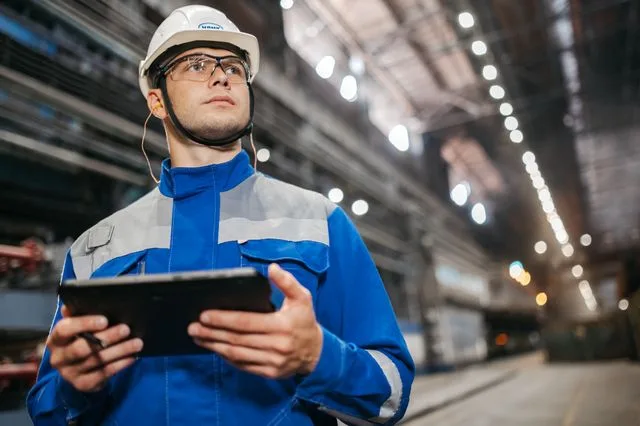
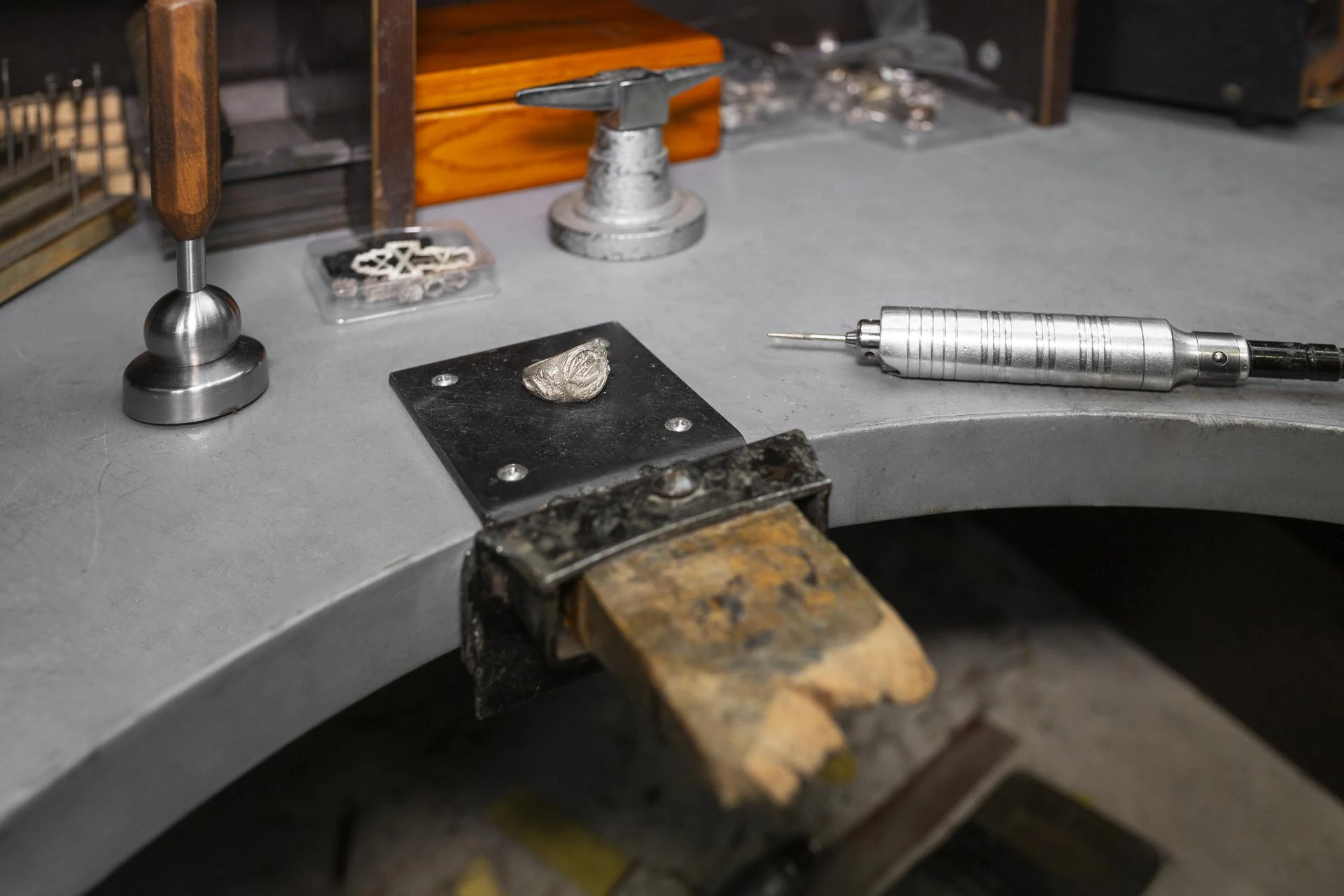
A skilled ferro alloy designer plays a pivotal role in transforming India’s steel production landscape. These professionals are not only responsible for creating precise alloy compositions but also for ensuring that the steel produced meets stringent industrial standards. The integration of advanced ferroalloys into steel significantly enhances its strength, durability, and resistance to corrosion, making it suitable for applications ranging from construction and automotive to defense and infrastructure projects. For manufacturers and industrial stakeholders, partnering with expert designers is critical for maintaining competitive advantage in a market where quality and performance define success. Sarojini Group has consistently collaborated with top-tier designers to deliver superior alloy solutions that meet the exacting demands of steel producers.
Ferroalloys are essentially the backbone of steel manufacturing. They are compounds of iron with one or more other elements such as manganese, silicon, chromium, or vanadium, which are added to molten steel to improve its properties. The role of a ferro alloy designer is to meticulously calculate the proportion of these elements to achieve the desired mechanical and chemical characteristics. This precision ensures that steel can withstand high stress, extreme temperatures, and harsh environmental conditions without compromising its structural integrity. With India’s rapid industrial expansion and growing infrastructure needs, the demand for high-performance steel continues to rise, and the contribution of ferro alloy designers becomes increasingly crucial.
The process of designing ferroalloys involves a combination of scientific knowledge, practical experience, and a deep understanding of metallurgy. Designers must consider the specific requirements of steel mills, the end-use applications of steel products, and the availability of raw materials. By creating customized alloy formulations, they can optimize production efficiency and reduce material wastage. A carefully designed ferroalloy not only enhances the steel’s performance but also improves energy efficiency during production, making the process more sustainable. Sarojini Group has leveraged this expertise to develop innovative alloy solutions that elevate the quality of steel produced by its industrial partners.
Innovation in ferroalloy design goes beyond traditional methods. Advanced simulation techniques and material modeling allow designers to predict how different alloy compositions will behave under varying conditions. This predictive approach reduces the need for trial-and-error experimentation, saving both time and resources for steel manufacturers. Moreover, designers are increasingly focusing on eco-friendly alloys that minimize environmental impact without compromising on strength or durability. By integrating these innovations, India’s steel industry is moving toward more sustainable and high-performance solutions, reinforcing its position as a global leader in steel production.
The impact of an exceptional ferro alloy designer extends to multiple sectors. In the automotive industry, specialized alloys contribute to lighter and stronger vehicle components, enhancing fuel efficiency and safety. In construction, steel reinforced with the right alloy mixture ensures longevity and resistance against wear and tear, especially in large-scale infrastructure projects. Even the defense sector benefits from high-quality steel that meets stringent performance criteria. Each of these outcomes is a direct result of the precision and expertise that a ferro alloy designer brings to the table. Sarojini Group’s collaborations have consistently delivered alloys tailored for these critical applications, ensuring clients achieve optimal results.
Collaboration between designers and steel manufacturers is key to achieving consistent quality. A ferro alloy designer works closely with production teams to monitor melting processes, control temperatures, and fine-tune alloy compositions. This hands-on approach allows for immediate adjustments to maintain the desired properties of steel. The result is a reliable, repeatable production process that reduces defects and enhances efficiency. In an industry where margins are tight and material costs are significant, such optimization directly translates into economic and operational advantages.
Training and continuous skill development are essential aspects of the profession. A proficient designer stays abreast of metallurgical advancements, new alloy combinations, and evolving industry standards. By keeping pace with technological developments, they ensure that steel manufacturers have access to cutting-edge solutions that meet both domestic and international quality benchmarks. Sarojini Group prioritizes this professional development, ensuring its network of designers is equipped with the knowledge and tools required to deliver the highest standards of alloy design.
Furthermore, quality control is an inseparable part of ferroalloy design. Each batch of alloy must be analyzed and tested for consistency, chemical composition, and mechanical performance. Any deviation can affect the steel’s properties and lead to production challenges. The meticulous attention to detail that ferro alloy designers apply guarantees that every product aligns with client specifications. This rigorous quality assurance process enhances trust and reliability between manufacturers and their customers, reinforcing long-term business relationships.
The evolution of steel demands that designers think beyond conventional solutions. Modern challenges, such as producing steel that is both lightweight and ultra-strong, require innovative alloying strategies. A ferro alloy designer must blend traditional metallurgical principles with modern techniques, ensuring steel products meet the growing expectations of performance, sustainability, and cost-effectiveness. By doing so, they not only improve the quality of steel but also drive the industry forward.
India’s position as a leading steel producer is increasingly tied to the capabilities of skilled professionals like ferro alloy designers. Their contribution is integral to achieving high-quality production standards, reducing material waste, and enhancing the overall competitiveness of steel in global markets. Companies such as Sarojini Group recognize the strategic importance of these professionals and actively invest in fostering innovation, collaboration, and skill development within the field.
The influence of a ferro alloy designer goes beyond the technical realm. By ensuring that steel is stronger, more durable, and precisely tailored for industrial needs, these designers indirectly support large-scale projects that shape infrastructure, transportation, and defense sectors. The ripple effect of their expertise impacts economic growth, environmental sustainability, and technological advancement, making their role indispensable in the industrial ecosystem.
In conclusion, the expertise of a ferro alloy designer is instrumental in shaping the future of high-quality steel production in India. Through precision, innovation, and collaboration, these professionals elevate the performance of steel across diverse applications, driving efficiency and sustainability in manufacturing processes. Sarojini Group’s commitment to working with top-tier designers ensures that Indian steel continues to meet the highest standards, strengthening its position in both domestic and international markets. As industrial demands evolve, the role of skilled designers will remain a cornerstone of progress, innovation, and excellence in the steel sector.