



When selecting a suitable coating technology for your pipeline or infrastructure project, you are necessitated by durability, corrosion resistance, and longevity. Most popular are FBE coating, 3LPE, and 3LPP. Each has different benefits and applications, but knowing the difference can help you make a better decision. Let's run a little comparison so you can decide which coating fits best for your requirements.
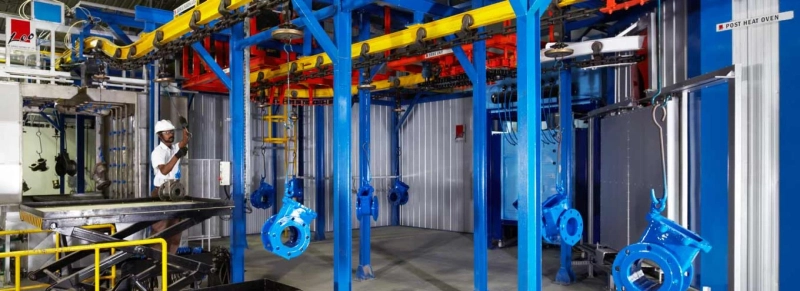
Starting with FBE coating, which technically means fusion bonded epoxy. The fbe coating market has done very well because of the great corrosion resistance and good cost-effectiveness it offers. It is used as a primer in pipeline construction, namely, a good, durable layer that adheres well to steel surfaces. In the various fields of activities, depending on proven capability and ease of application, this coating is used. An FBE Plant assures the production of the best quality FBE coatings with consistent quality and international standards. Recognition of its advantages in underground and submerged pipeline applications by industries has put the fbe coating market in an upward trend.
On the other hand, 3LPE (3-Layer Polyethylene) coating consists of a three-layer system that comprises an epoxy primer, a polyethylene topcoat, and a fusion-bonded epoxy intermediate layer. This combination offers exceptional mechanical protection, impact resistance, and flexibility, suiting pipes laid under harsh conditions. It is most commonly used at land and offshore areas wherein pipes sustain physical damage and are exposed to extreme conditions. The seamless nature of its coating gives excellent corrosion protection to the pipes, even in highly aggressive environments.
Likewise, 3LPP (3-Layer Polypropylene) is an advanced coating system similar to 3LPE but with a polypropylene outer layer in place of polyethylene. 3LPP coating provides a higher level of chemical resistance, better adhesion, and durability against abrasion and mechanical stress. This coating is becoming more popular in industries where pipelines are subject to aggressive chemicals or harsh operating conditions. With the superior performance of the 3LPP coating, it has been appointed for many critical infrastructure projects.
When considering these options, the actual environment of the project must come into play with respect to operational requirements. If your key concerns are factors like cost and corrosion, then FBE coating from a reputable FBE Plant proves to be a fine choice. It is suitable for those pipelines that require a strong primer layer resistant to chemical action and where the budget is strainable. However, those pipeline coatings that are subjected to some mechanical stresses, either physical impacts or extreme environmental conditions, are better treated with 3LPE or 3LPP, considering the stronger protective layers and flexibility in either of those two coatings.
Another factor to consider would be application intricacy and maintenance. FBE coating application is easy and fast and hence extremely suitable for gigantic projects. On the other hand, both 3LPE and 3LPP require specialized coating application techniques and equipment, often heat fusion-related processes that might incur higher initial costs but promise durability in the long run.
Choosing between FBE coating and 3LPE/3LPP coatings depends on your project’s specific needs, environmental factors, and budget. Understanding these differences ensures you select the most effective protective coating for your pipeline, maximizing lifespan and performance.