



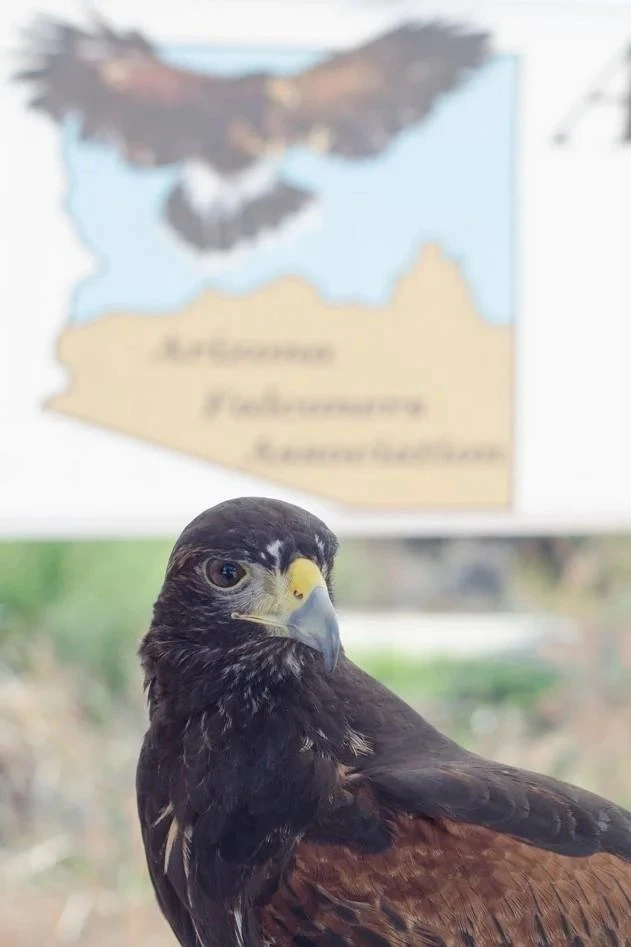
In 2026, businesses and property owners are increasingly turning to sustainable solutions to address persistent bird-related problems. From airports and warehouses to farms and commercial rooftops, nuisance birds can cause significant damage, health risks, and financial losses. Traditional bird control methods—like spikes, nets, and chemical deterrents—often fall short or harm the environment. This is where falconry bird abatement emerges as a powerful, natural, and eco-friendly solution that is rapidly gaining popularity.
What is Falconry Bird Abatement?
Falconry bird abatement is a humane bird control method that uses trained birds of prey—such as falcons, hawks, or eagles—to deter nuisance birds. This technique mimics nature’s own predator-prey relationship, creating a natural fear response in pest birds like pigeons, seagulls, and starlings. Unlike static deterrents, falconry actively changes bird behavior, encouraging them to relocate permanently.
Why Falconry is Gaining Popularity in 2026
1. Eco-Friendly and Chemical-Free Approach
With environmental awareness at an all-time high, businesses are seeking solutions that align with sustainability goals. Falconry bird abatement requires no chemicals, toxins, or harmful devices, making it safe for humans, wildlife, and ecosystems.
2. Highly Effective and Long-Lasting
Unlike traditional methods that birds eventually adapt to, falconry creates a dynamic and unpredictable threat. Birds perceive the presence of a predator as a real danger, leading to long-term relocation rather than temporary avoidance.
3. Humane Bird Control
Ethical practices are becoming essential in modern pest control. Falconry does not harm nuisance birds; instead, it relies on natural instincts to encourage them to move elsewhere. This makes it a preferred option for organizations prioritizing animal welfare.
4. Versatility Across Industries
Falconry bird abatement is being adopted across multiple sectors, including:
- Airports (to prevent bird strikes)
- Agriculture (to protect crops)
- Landfills and waste management facilities
- Commercial buildings and shopping centers
- Stadiums and event venues
Its adaptability makes it one of the most versatile bird control methods available today.
How Falconry Bird Abatement Works
The process begins with a professional falconer assessing the site and identifying bird activity patterns. Based on this evaluation, trained birds of prey are deployed at strategic times to patrol the area. These birds do not need to catch prey; their mere presence is enough to trigger a strong avoidance response.
Regular flights are conducted to reinforce the perception of danger. Over time, nuisance birds associate the area with a high risk of predation and choose to relocate permanently. This consistent reinforcement is key to the long-term success of falconry bird abatement programs.
Key Benefits Over Traditional Bird Control Methods
Natural Deterrence vs Artificial Barriers
Bird spikes and nets may prevent landing in specific areas, but they do not eliminate the root problem. Falconry addresses bird behavior at its core, ensuring a more comprehensive solution.
Cost-Effective in the Long Run
While the initial investment in falconry services may be higher than basic deterrents, the long-term savings are significant. Reduced cleaning costs, lower maintenance, and fewer damages result in a better return on investment.
Enhanced Brand Image
Companies adopting eco-friendly practices gain a competitive edge. Using falconry bird abatement demonstrates a commitment to sustainability and ethical operations, which resonates with modern consumers and stakeholders.
Industries Leading the Shift
Airports and Aviation
Airports are among the biggest adopters of falconry bird abatement due to the critical need to prevent bird strikes. Birds of prey effectively clear airspace, enhancing safety for aircraft operations.
Agriculture and Farming
Farmers are using falconry to protect crops without relying on harmful pesticides or noise-based deterrents. This approach supports organic farming practices and improves yield quality.
Urban Commercial Spaces
Shopping malls, office buildings, and hotels are embracing falconry to maintain cleanliness and aesthetics. It helps eliminate bird droppings, nesting, and associated health risks.
Is Falconry Bird Abatement Right for You?
If your property faces persistent bird issues and you are looking for a sustainable, humane, and effective solution, falconry bird abatement could be the perfect choice. It is especially beneficial for large open areas where traditional methods fail to deliver lasting results.
However, it is essential to work with certified falconry professionals who understand bird behavior and can design a customized abatement plan tailored to your needs.
The Future of Bird Control
As we move further into 2026, the demand for environmentally responsible solutions continues to grow. Falconry bird abatement is not just a trend—it represents a shift toward working with nature rather than against it. With its proven effectiveness, humane approach, and sustainability benefits, it is set to become the gold standard in bird control.
Businesses that adopt this innovative method today are not only solving their bird problems but also contributing to a greener and more ethical future.
Conclusion
Falconry bird abatement stands out as a revolutionary solution in modern pest control. By leveraging natural predator instincts, it provides a safe, humane, and long-lasting way to manage nuisance birds. As industries prioritize sustainability and efficiency, this ancient practice is making a powerful comeback in a modern context. If you are ready to embrace an eco-friendly approach that truly works, falconry bird abatement is the answer.