



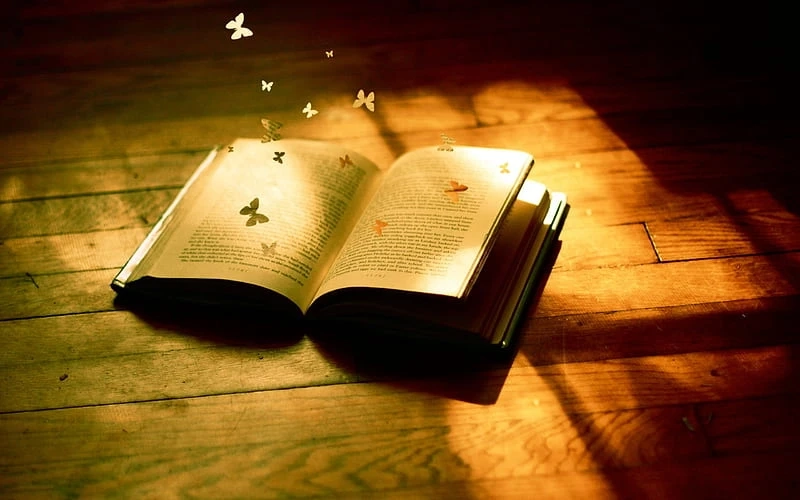
The Enduring Power of the Fairy Tale Book
A fairy tale book is not merely a compilation of stories—it is a gateway to magical worlds, a collection of timeless lessons, and a source of imaginative freedom for generations of readers. Whether told around campfires or read from gilded pages, fairy tales transcend culture and time, offering readers a profound experience of transformation, morality, and magic.
What Defines a Fairy Tale Book?
A fairy tale book traditionally contains short stories steeped in folklore, fantasy, and mythology. These tales are characterized by:
- Enchantments and magical beings
- Good vs. evil dynamics
- Transformational journeys
- Symbolic elements and archetypes
- Moral conclusions
Classic examples include Cinderella, The Snow Queen, Hansel and Gretel, and Sleeping Beauty. While these stories are often targeted toward children, many are layered with complex themes that resonate with adults as well.
Origins and Global Roots of Fairy Tales
The roots of fairy tales can be traced back thousands of years. Cultures across the globe have nurtured these stories through oral traditions, long before the printing press preserved them on parchment. Notable early collections include:
- The Brothers Grimm (Germany): Preservers of darker, morally grounded European folklore.
- Charles Perrault (France): Refined and court-friendly versions such as Puss in Boots and Bluebeard.
- Arabian Nights (Middle East): A rich anthology that includes Aladdin and Ali Baba.
- Panchatantra (India): Ancient fables with animal characters, wisdom, and trickery.
These traditions demonstrate the universal human yearning for stories that make sense of life’s unpredictability.
Core Elements of a Compelling Fairy Tale Book
1. Magical Realism
A fairy tale blends fantasy with realism, grounding stories in relatable emotions while introducing talking animals, sorcerers, enchanted objects, and mythical realms. This duality helps readers explore real-world challenges through metaphor and fantasy.
2. Archetypal Characters
Every fairy tale book features classic archetypes:
- The Innocent Hero/Heroine (e.g., Snow White)
- The Wicked Villain (e.g., Evil Queen, Wicked Stepmother)
- The Wise Elder (e.g., Fairy Godmother)
- The Magical Helper (e.g., Genie, Talking Fox)
These recurring figures evoke deep psychological resonance, helping readers identify and internalize essential human roles and behaviors.
3. Quests and Trials
A strong fairy tale book includes a transformative quest. Heroes often face three trials or must make critical choices that shape their destiny. These trials build emotional tension and resolution, reflecting life’s own ups and downs.
4. Moral and Ethical Lessons
Each tale concludes with a clear moral message: kindness over cruelty, honesty over deception, courage over fear. These lessons endure, making fairy tales tools of character education and moral instruction.
The Psychological and Emotional Impact of Fairy Tales
Fairy tales are not mere entertainment—they serve profound psychological functions. According to psychologists like Bruno Bettelheim, fairy tales allow children to:
- Process inner fears in a safe narrative format.
- Build resilience through witnessing struggles and victories.
- Understand moral consequences in simplified contexts.
Reading a fairy tale book enables both children and adults to confront universal emotions—jealousy, loneliness, ambition, redemption—wrapped in symbolic form.
Modern Interpretations of the Fairy Tale Book
Fairy tales have undergone significant evolution in contemporary literature. Today’s fairy tale books may challenge traditional tropes, featuring:
- Feminist retellings (e.g., The Bloody Chamber by Angela Carter)
- Diverse protagonists from underrepresented cultures
- Darker, gothic reimaginings (e.g., Coraline by Neil Gaiman)
- Satirical and humorous approaches (e.g., The Stinky Cheese Man by Jon Scieszka)
Such adaptations breathe new life into the genre, proving that the fairy tale book remains vital and relevant.
Notable Fairy Tale Books for Different Audiences
For Children
- Grimm’s Fairy Tales (Illustrated Editions)
- The Complete Hans Christian Andersen Fairy Tales
- The Paper Bag Princess by Robert Munsch
- Ella Enchanted by Gail Carson Levine
For Young Adults
- The Lunar Chronicles by Marissa Meyer
- Beastly by Alex Flinn
- The School for Good and Evil by Soman Chainani
For Adults
- Uprooted by Naomi Novik
- Spinning Silver by Naomi Novik
- The Hazel Wood by Melissa Albert
- Once Upon a River by Diane Setterfield
These collections and novels demonstrate the flexibility of fairy tales to address coming-of-age themes, identity struggles, and existential questions.
Why Fairy Tale Books Still Matter Today
In an age of digital distraction and fleeting content, fairy tale books offer:
- Enduring narratives with lasting value
- A moral compass for young readers
- Creative stimulation for developing minds
- Shared cultural foundations across generations
They are not relics of the past but foundations for imagination, ethics, and connection.
Creating the Perfect Fairy Tale Book for Modern Readers
To craft or choose the best fairy tale book, ensure it includes:
- Illustrations that enchant and complement the narrative
- Modernized language while respecting original meaning
- Inclusivity and cultural representation
- Balance between whimsy and wisdom
Whether classic or contemporary, each fairy tale book should transport readers into a world where anything is possible, and every obstacle is a chance to grow.