



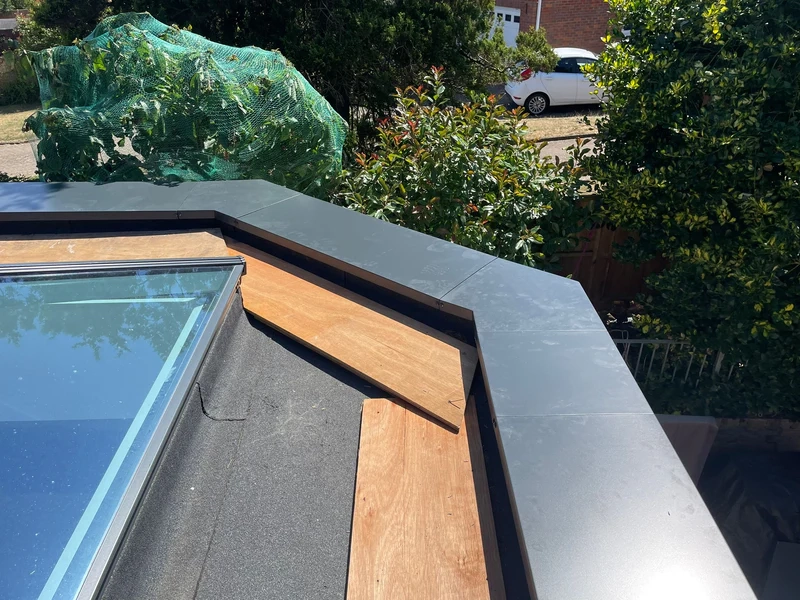
Exterior building supplies are the foundation of modern construction projects. They encompass the wide range of materials and products used to create, protect, and enhance the outer shell of buildings. From roofing and siding to windows, doors, and insulation, exterior building supplies play a critical role in ensuring durability, energy efficiency, and aesthetic appeal. The choice of these supplies directly impacts the longevity of structures, their resistance to environmental factors, and the overall design quality. This blog post explores the importance, categories, challenges, innovations, and future trends of exterior building supplies, offering a detailed perspective on how they shape the built environment.
Defining Exterior Building Supplies
Exterior building supplies refer to the materials and components used in the construction and finishing of a building’s exterior. These supplies serve both functional and aesthetic purposes, protecting structures from weather conditions while contributing to their visual identity. Examples include:
- Roofing materials such as shingles, tiles, and metal sheets
- Siding options including vinyl, wood, fiber cement, and brick
- Windows and glazing systems
- Exterior doors and entryways
- Insulation and weatherproofing products
- Gutters and drainage systems
- Exterior paints and coatings
- Decking and outdoor flooring materials
Each of these supplies is selected based on performance, durability, sustainability, and design compatibility.
Historical Evolution of Exterior Building Supplies
The history of exterior building supplies reflects the evolution of construction practices. Early structures relied on natural materials such as stone, wood, and clay. Ancient civilizations developed exterior supplies like bricks, tiles, and decorative facades, which combined functionality with artistry. The Romans pioneered the use of concrete, enabling durable and versatile structures.
During the Industrial Revolution, mass production introduced new exterior building supplies such as steel, glass, and prefabricated components. The 20th century saw the rise of modern materials like aluminum, vinyl, and composites, which expanded design possibilities and improved performance. Today, exterior building supplies incorporate advanced technologies, sustainable materials, and smart systems, reflecting the priorities of contemporary society.
Importance of Exterior Building Supplies
Exterior building supplies are vital for several reasons:
- Protection: They shield buildings from environmental factors such as rain, wind, snow, and UV radiation.
- Durability: High-quality supplies ensure long-lasting structures with minimal maintenance.
- Energy efficiency: Insulation and weatherproofing products reduce energy consumption.
- Aesthetics: Exterior finishes define the visual appeal of buildings and contribute to architectural identity.
- Property value: Well-chosen exterior supplies enhance property value and marketability.
Without exterior building supplies, structures would lack the essential elements that make them safe, durable, and visually appealing.
Categories of Exterior Building Supplies
Exterior building supplies can be categorized into several groups based on their function and application:
- Roofing materials: Shingles, tiles, metal sheets, and membranes that protect buildings from weather.
- Siding and cladding: Vinyl, wood, fiber cement, brick, and stone that define exterior appearance.
- Windows and glazing systems: Provide natural light, ventilation, and insulation.
- Doors and entryways: Ensure security and accessibility while contributing to design.
- Insulation and weatherproofing: Materials that improve energy efficiency and comfort.
- Drainage systems: Gutters, downspouts, and drainage solutions that prevent water damage.
- Exterior finishes: Paints, coatings, and sealants that enhance durability and aesthetics.
- Outdoor flooring and decking: Materials for patios, balconies, and outdoor living spaces.
Each category plays a unique role in shaping the performance and appearance of buildings.
Challenges in Exterior Building Supplies
Despite their importance, exterior building supplies face several challenges:
- Cost pressures: High-quality materials often come at a premium, affecting affordability.
- Environmental concerns: Many traditional supplies consume significant resources and generate emissions.
- Technological adaptation: Rapid advancements require continuous investment in new materials and systems.
- Durability and maintenance: Ensuring long-term performance is a challenge, especially in harsh climates.
- Regulatory compliance: Supplies must meet safety, energy, and environmental standards.
- Supply chain disruptions: Global events can affect the availability of materials and components.
Addressing these challenges requires innovation, collaboration, and sustainable practices.
Innovations Transforming Exterior Building Supplies
Technology is reshaping exterior building supplies in profound ways. Key innovations include:
- Smart glass: Windows that adjust transparency based on light and temperature.
- Energy-efficient insulation: Advanced materials that reduce energy consumption.
- Sustainable siding: Options such as recycled wood, bamboo, and eco-friendly composites.
- Modular systems: Prefabricated components that simplify construction and reduce waste.
- 3D printing: Enables the creation of customized exterior components with precision.
- Nanotechnology: Enhances material properties, making them stronger and more durable.
- Reflective roofing: Materials that reduce heat absorption and improve energy efficiency.
These innovations are not only improving performance but also making exterior building supplies more adaptable and sustainable.
Sustainability in Exterior Building Supplies
Sustainability has become a central focus in exterior building supplies. With growing awareness of climate change and resource depletion, industries are adopting practices that minimize environmental impact:
- Energy efficiency: Products such as insulated windows and reflective roofing reduce energy consumption.
- Sustainable materials: Using recycled steel, reclaimed wood, and eco-friendly composites.
- Waste reduction: Implementing recycling programs and lean manufacturing techniques.
- Water conservation: Designing drainage systems that promote reuse and reduce waste.
- Green certifications: Standards such as LEED encourage sustainable product development.
Sustainable exterior building supplies not only benefit the environment but also reduce long-term costs and enhance building performance.
Case Studies in Exterior Building Supplies
Several projects illustrate the transformative power of exterior building supplies:
- Bosco Verticale, Milan: Incorporates green facades with living plants, showcasing eco-friendly exterior supplies.
- Apple Park, Cupertino: Features innovative glass panels and sustainable materials in its design.
- The Crystal, London: A sustainable building using advanced glazing and energy-efficient systems.
- High Line, New York: Utilizes recycled materials and creative exterior supplies to transform urban space.
These examples highlight how exterior building supplies drive progress across industries.
Future Trends in Exterior Building Supplies
The future of exterior building supplies is shaped by several emerging trends:
- Digital transformation: Greater adoption of AI, IoT, and data analytics in product design and performance monitoring.
- Resilient materials: Supplies designed to withstand natural disasters and climate change.
- Customization: Tailoring products to meet specific client needs and design visions.
- Global collaboration: Cross-border partnerships to share expertise and resources.
- Circular economy: Emphasizing reuse and recycling of materials.
- Smart cities: Integrating exterior supplies with urban planning and digital infrastructure.
- Workforce development: Training programs to address skill gaps in product design and manufacturing.
These trends will make exterior building supplies more efficient, sustainable, and responsive to societal needs.
The Role of Government and Policy
Government policies play a crucial role in shaping exterior building supplies. Regulations ensure safety, quality, and environmental compliance. Public investment in infrastructure stimulates growth and creates jobs. Incentives for green technologies encourage sustainable practices. International standards promote consistency and collaboration across borders. Effective policy frameworks are essential for the industry’s long-term success.
Conclusion
Exterior building supplies are the foundations of modern design and construction. They build the structures we live in, the spaces we work in, and the environments we interact with. Despite challenges such as cost pressures, environmental concerns, and supply chain disruptions, these supplies continue to innovate and adapt. With advances in smart technologies, sustainable materials, and digital systems, exterior building supplies are poised for a dynamic future. Businesses, governments, and communities must work together to ensure that this vital sector continues to thrive, delivering solutions that are efficient, sustainable, and transformative. By embracing innovation and collaboration, exterior building supplies will remain at the forefront of shaping the world of tomorrow.