


When planning a new shower or upgrading an existing one, the choice between exposed shower valves and concealed shower valves has a big impact on how your bathroom looks and works day to day. Both options control water temperature and flow, but they do it in very different ways.
Here’s a clear, human-friendly guide to help you understand how they differ so you can choose the right style for your bathroom.
What Are Exposed Shower Valves?
Exposed shower valves are mounted on the surface of the wall. You can see the main body of the valve, with the hot and cold supplies entering from the back or bottom, and the controls and outlet all on display.
In simple terms, everything is visible apart from the pipework inside the wall. The bar or body of the valve becomes a design feature in the shower area.
Key things to know about exposed shower valves:
They are easier for your installer to access because the valve sits outside the wall. That can make them a popular choice in older properties or for quick upgrades where you don’t want to disturb too much tiling or wall structure.
What Are Concealed Shower Valves?
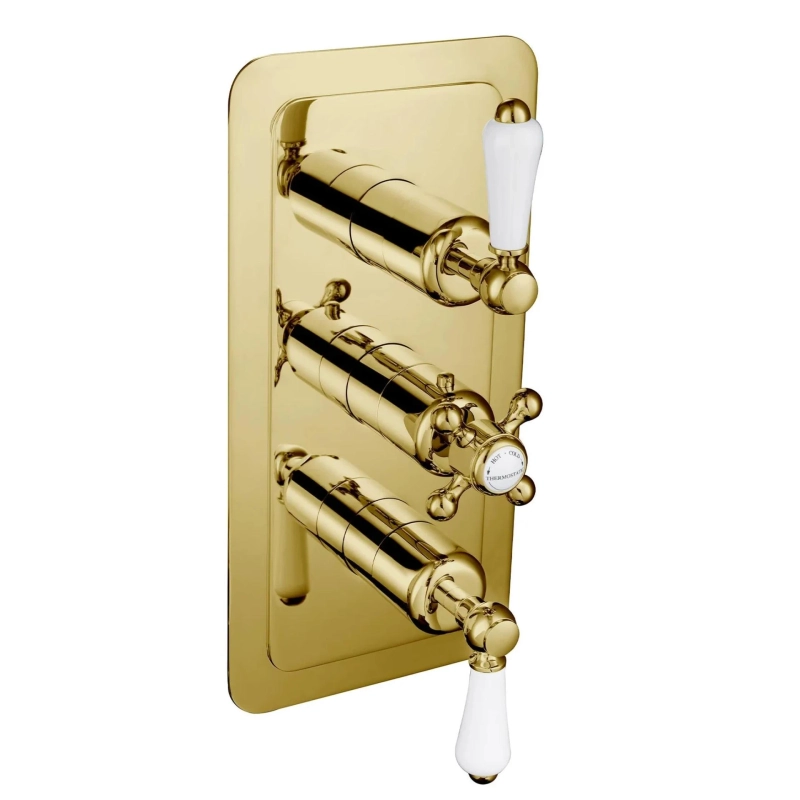
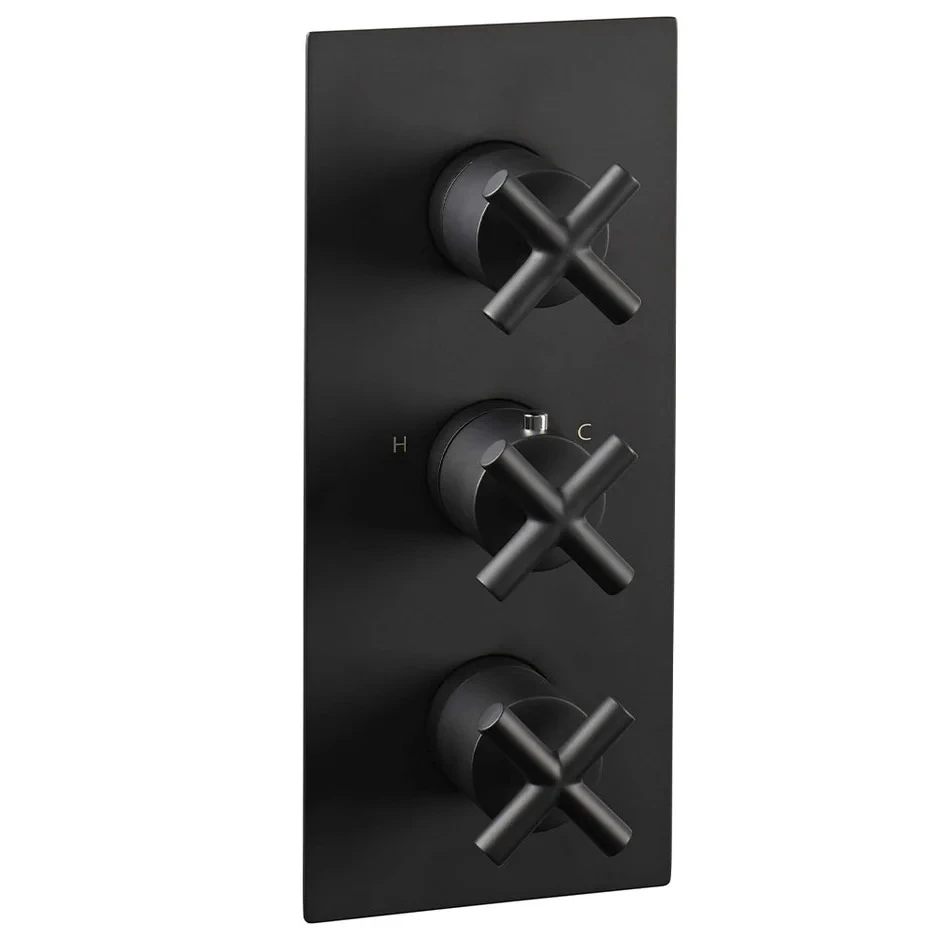
Concealed shower valves, as the name suggests, are mostly hidden inside the wall. The working part of the valve and much of the pipework are tucked away, leaving only a neat control plate and handles visible on the outside.
Instead of seeing the full bar or body of the valve, you just see a slim, stylish panel with one or more controls.
Key things to know about concealed shower valves:
They give a very streamlined, modern look because only the essential controls are on show. This makes them ideal for minimalist bathrooms or small shower spaces where a clean, uncluttered appearance matters.
Visual Differences: Style and Design
One of the biggest differences between exposed shower valves and concealed shower valves is how they look.
Exposed shower valves
With an exposed valve, the full bar and connections become part of the shower design. This can work really well if you like:
- A slightly more traditional or industrial style
- Visible metalwork that coordinates with taps and other fittings
- A more “classic” shower look, especially with round dials or crossheads
The exposed bar can also act as a subtle visual feature in the shower area.
Concealed shower valves
Concealed valves suit bathrooms where you want:
- A sleek, minimal look
- Flat wall surfaces with fewer visible parts
- A modern, designer-style shower feel
Only the plate and handles are visible, so the wall looks less busy and easier on the eye, especially when paired with a rainfall head, handset and matching accessories.
Installation: What’s Involved?
Choosing between exposed and concealed shower valves isn’t just about appearance – installation is quite different too.
Installing exposed shower valves
Exposed valves are generally easier and sometimes cheaper to install because:
- Less wall work is needed
- Pipework can often connect directly to the back of the valve
- They are ideal for renovations where the wall surface is already finished
They’re especially handy if you’re upgrading from an existing exposed valve or working with solid walls where chasing out space for a concealed unit would be tricky.
Installing concealed shower valves
Concealed valves usually need more planning and skill because:
- The valve body must be recessed into the wall or a stud partition
- Pipework for outlets (like a fixed head and handset) runs behind the wall
- The wall needs to be made good and tiled around the control plate
This makes concealed shower valves a great choice for full bathroom refurbishments, new builds or when you’re already planning major wall work.
Maintenance and Access
It’s also important to think about how easy your shower valve will be to service in the future.
Exposed shower valves
Because the whole valve is on display, access is simple. An installer can usually:
- Reach the cartridges and filters easily
- Remove the valve completely without breaking tiles
- Diagnose issues faster
This can save time and disruption if you ever need repairs or replacements.
Concealed shower valves
With concealed shower valves, most parts are behind the wall, but good-quality models are designed with maintenance in mind. The serviceable parts are usually accessible from the front by removing the faceplate.
However:
- Any major changes to pipework may be more complicated
- Poor-quality installation can make access harder later on
This is why professional installation and quality components are especially important with concealed systems.
Space and Comfort in the Shower Area
The physical space inside the shower can also influence your decision.
- Exposed shower valves stand out slightly from the wall, which may be more noticeable in very small enclosures, although most modern designs are quite compact.
- Concealed shower valves keep the wall surface flatter, which can make a small shower feel more open and give you a bit more elbow room.
If you’re working with a tight shower enclosure or a compact wet room, concealed valves can help make the space feel more streamlined.
Cost Considerations
Costs can vary depending on brand, quality and features, but in general:
- Exposed shower valves are often more budget-friendly overall because installation is usually simpler and quicker.
- Concealed shower valves can be more expensive to fit due to extra labour, wall adjustments and pipework, even if the valve itself is similarly priced.
That said, many people feel the clean, modern look of a concealed system is worth the extra investment, especially in a main bathroom or high-end renovation.
Which One Is Right for You?
When comparing exposed shower valves vs concealed shower valves, think about:
- Style preference – Do you like visible fittings or a minimal, flush look?
- Bathroom layout – Is there space inside the wall for a concealed unit?
- Project type – Quick upgrade or full renovation?
- Budget – Are you ready to spend more on labour for a hidden system?
- Future maintenance – Do you want the simplest possible access?
There’s no single “better” option – the right choice depends on your home, your taste and how much work you’re willing to do behind the scenes.
Final Thoughts
Exposed and concealed shower valves both do the same essential job, but they change the feel and function of your shower in different ways. Exposed shower valves offer easier installation, straightforward maintenance and a more classic, visible design. Concealed shower valves deliver a sleek, modern appearance with clean lines and a minimalist finish.
By understanding the differences in style, installation, maintenance and cost, you can choose the shower valve that suits your bathroom and your everyday routine – not just for now, but for years to come.