



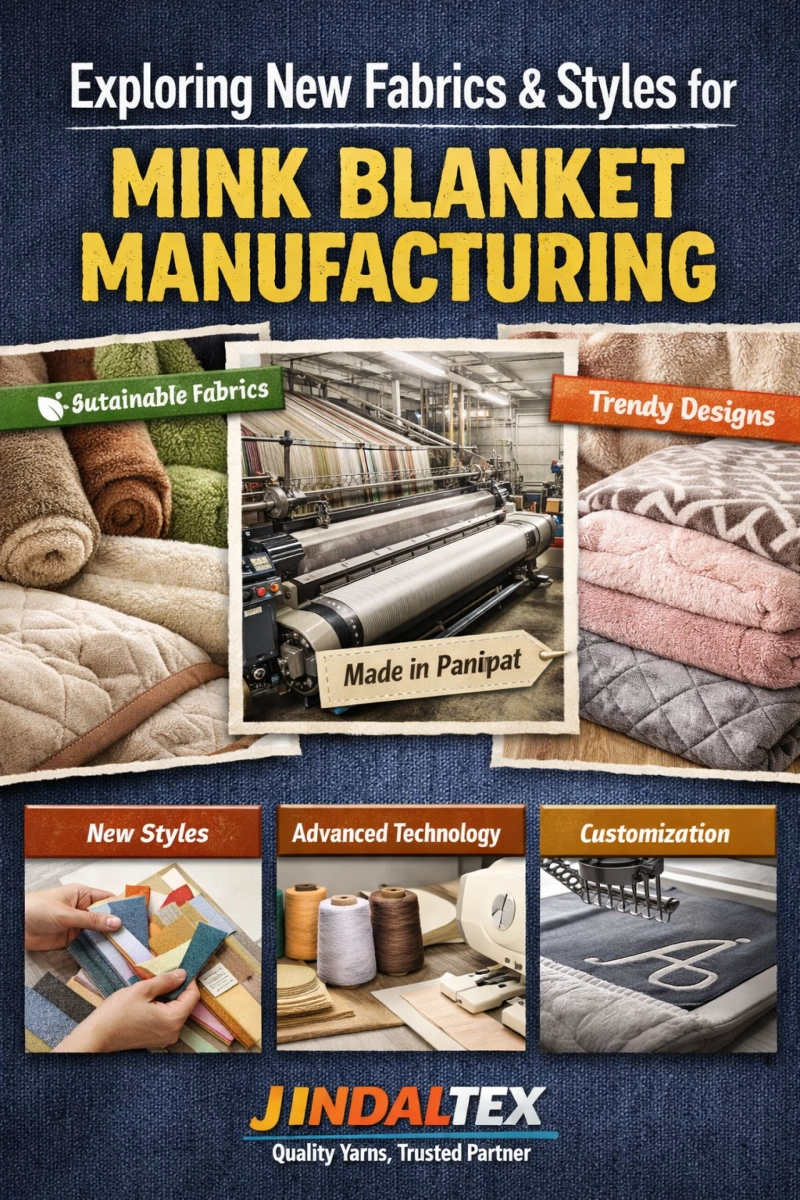
Mink blankets have long been a symbol of comfort and luxury. Their soft texture and warm feel make them a staple in bedrooms and living spaces across India and beyond. But today, consumer expectations are evolving. People are looking not just for warmth, but for blankets that combine style, innovation, and even sustainability.
For a mink blanket manufacturer, keeping up with these trends isn’t just about producing more—it’s about producing smarter. And for a mink blanket manufacturer in Panipat, this means blending traditional expertise with modern experimentation. Panipat has been at the heart of India’s blanket manufacturing industry for decades, and its manufacturers are increasingly pushing the boundaries in fabrics, textures, and designs.
New Fabrics Making an Impact
The classic mink blanket is luxurious, but manufacturers are exploring ways to make it even better.
Eco-Friendly Fibers
Consumers today care about where products come from. Manufacturers are experimenting with recycled yarns and eco-conscious fibers. This isn’t just a marketing angle; these materials hold up well, feel soft, and reduce environmental impact. Working with suppliers like Jindlatex ensures that the yarn is consistent and high-quality, even when it’s recycled.
Hybrid Blends
Mixing mink with cotton, modal, or acrylic has become popular. The blends make blankets lighter, more breathable, and often more durable. For manufacturers, these blends provide flexibility: they can produce thicker winter blankets or lightweight throws, all while keeping production efficient.
Enhanced Finishes
A brushed finish or anti-pilling treatment can make a big difference. These subtle enhancements keep blankets looking new longer, which consumers appreciate. Manufacturers are increasingly offering these options as part of their premium range, creating products that stand out in both comfort and longevity.
Styles That Capture Attention
Fabric is only one part of the equation. Design and style play an equally important role.
Contemporary Patterns
Geometric prints, floral motifs, and abstract patterns are seeing a rise in popularity. Manufacturers are now using digital printing and modern weaving techniques to produce blankets that appeal to younger buyers who care about both aesthetics and functionality.
Personalized Options
Monograms, custom colors, and seasonal patterns allow buyers to feel a personal connection to their blanket. For retailers, offering personalized blankets can drive higher margins and repeat purchases.
Textured and Quilted Designs
Quilted mink blankets add structure and warmth while also making the blanket look luxurious. Layered textures and embossed patterns are becoming popular, especially in premium segments, as they provide a tactile experience that plain blankets simply cannot.
Why Technology Matters?
Even a traditional product like a mink blanket benefits from modern technology. Advanced looms, digital embroidery machines, and automated printing systems allow manufacturers to experiment with designs without slowing production. For mink blanket manufacturers in Panipat, this means combining the skill of decades with the efficiency and precision of modern machinery.
Keeping an Eye on the Market
Innovation works best when it aligns with what buyers want. Observing trends, whether it’s color palettes, design motifs, or seasonal preferences, helps manufacturers avoid producing blankets that won’t sell. Partnering with suppliers like Jindlatex ensures access to consistent, high-quality yarns, giving manufacturers the confidence to experiment while maintaining standards.
Sustainability Is No Longer Optional
Consumers increasingly expect eco-conscious production. Manufacturers are responding by sourcing sustainable fibers, reducing chemical use in dyeing, and minimizing waste. Not only does this appeal to modern buyers, but it also positions companies for long-term growth in export markets, where environmental standards are strict.
Takeaways for Mink Blanket Manufacturers
- Experiment with fabrics: Eco-friendly fibers and hybrid blends keep products modern and functional.
- Focus on style: Patterns, textures, and personalization make blankets desirable.
- Leverage technology: Modern looms and printing systems allow design flexibility and consistency.
- Watch the market: Understanding trends ensures your products sell.
- Adopt sustainability: Eco-conscious production appeals to modern consumers and export buyers.
By embracing these principles, a mink blanket manufacturer in Panipat can stay competitive and relevant. With partners like Jindlatex, manufacturers can source reliable yarns and maintain high standards while exploring new fabrics, styles, and finishes.
Conclusion
Mink blankets are more than just soft throws; they are evolving fashion statements in homes. The manufacturers who understand fabrics, follow trends, and balance innovation with quality will define the next era of cozy textiles. For those in Panipat and beyond, the combination of traditional expertise, modern materials, and trusted partners like Jindlatex ensures blankets remain both luxurious and market-ready.
FAQs
1. What new fabrics are mink blanket manufacturers using today?
Manufacturers are experimenting with recycled fibers, hybrid blends, and eco-friendly yarns to make mink blankets softer, more durable, and sustainable.
2. How are mink blanket manufacturers in Panipat innovating designs?
Makers in Panipat are using modern printing, quilting, and textured finishes to create contemporary patterns and premium, market-ready blankets.
3. Why are hybrid fabrics important for mink blankets?
Blending mink with cotton, acrylic, or modal enhances softness, breathability, and durability while allowing manufacturers to offer varied thicknesses for different seasons.
4. How do personalized mink blankets appeal to customers?
Custom monograms, colors, and designs add a personal touch, making blankets more desirable for gift buyers, retailers, and corporate clients.
5. What role does technology play in mink blanket manufacturing?
Advanced looms, digital printing, and automated embroidery systems help manufacturers produce consistent designs efficiently while experimenting with textures and patterns.
6. How is sustainability changing the mink blanket industry?
Consumers prefer eco-conscious products, so manufacturers are using recycled yarn, reducing chemical use, and adopting energy-efficient production to stay competitive.
7. Can mink blanket manufacturers combine style and warmth effectively?
Yes, modern techniques like quilting, embossed patterns, and layered textures allow blankets to look stylish while maintaining comfort and thermal efficiency.
8. How do manufacturers know which trends to follow?
Manufacturers track market preferences, seasonal colors, and fabric trends to produce blankets that appeal to both domestic and international buyers.
9. Why is Panipat a hub for mink blanket manufacturing?
Panipat has decades of textile expertise, skilled labor, and access to quality yarn suppliers, making it a center for both traditional and innovative blanket production.
10. How does Jindlatex support mink blanket manufacturers?
Jindlatex provides consistent, high-quality yarn and technical guidance, helping manufacturers experiment with new fabrics and designs while maintaining product standards.