


Introduction
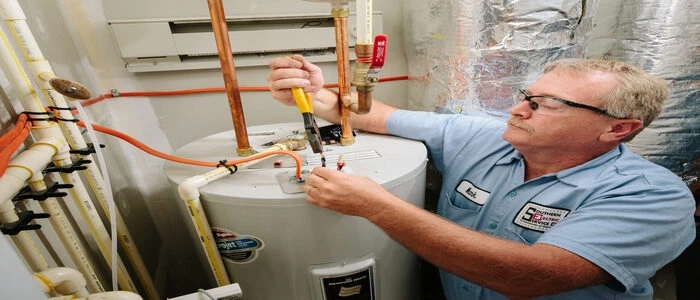
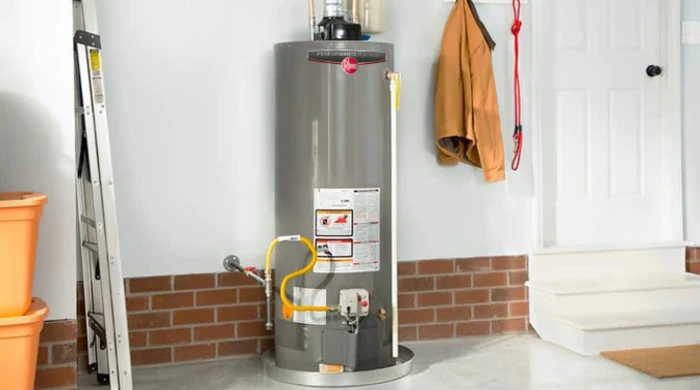
A reliable water heater is crucial for maintaining comfort and facilitating daily routines. Whether it’s a cold morning shower or a load of laundry, hot water is a necessity. However, like all appliances, water heaters can fail over time. Understanding the common causes of water heater failure and knowing some quick fixes can save you from unexpected cold showers and costly repairs. This expert guide walks you through typical issues, their causes, and what you can do to fix them fast.
1. Lack of Hot Water
This is the most obvious sign of a malfunctioning water heater. If your water turns cold quickly or never heats up at all, the culprit could be:
Tripped circuit breaker (for electric heaters)
Faulty thermostat
Broken heating element
Pilot light outage (for gas heaters)
Quick Fix:
First, check your circuit breaker or fuse box. If it’s tripped, reset it and see if that restores heat. For gas heaters, ensure the pilot light is lit. If it’s out, follow the manufacturer’s instructions to relight it safely. If the problem persists, replacing the thermostat or heating element may be necessary.
2. Water Leaks
Leaks can occur due to loose connections, corroded tanks, or pressure buildup.
Common leak points include:
Inlet/outlet connections
Temperature and pressure relief (T&P) valve
The tank itself
Quick Fix:
Tighten any loose connections and inspect the T&P valve. If it’s leaking, it may need to be replaced. If the leak is coming from the tank body, it’s usually a sign of internal corrosion and often means it’s time to replace the unit.
3. Strange Noises
Popping, banging, or rumbling noises are typically caused by sediment buildup in the tank. This sediment insulates the water from the heat source, causing overheating and noise.
Quick Fix:
Drain and flush your water heater to remove sediment. Attach a garden hose to the drain valve at the bottom of the tank and carefully let the water and sediment run out. Doing this annually helps maintain performance and extends your heater’s lifespan.
4. Rusty or Discolored Water
Rusty water could be a sign of corrosion inside the tank or a failing anode rod—a component designed to attract corrosive minerals and prevent tank rust.
Quick Fix:
If the discoloration is coming from both hot and cold taps, the issue may lie in your plumbing. If it’s only from hot water, the water heater is likely the culprit. Replacing the anode rod can delay the need for a new tank and improve water quality.
5. Inconsistent Water Temperature
Temperature swings can result from a faulty thermostat or an issue with the heating element.
Quick Fix:
Check the thermostat setting—it should be around 120°F (49°C) for optimal performance. If the issue remains, test or replace the thermostat or heating element.
6. Low Water Pressure
Sediment and mineral deposits can block pipes and reduce water flow, particularly in older systems.
Quick Fix:
Flush the water heater and clean the aerators on faucets and showerheads. If the problem continues, a plumber may need to inspect and possibly replace corroded piping.
Final Thoughts
Water heater problems are inconvenient but often preventable. Regular maintenance, such as flushing the tank annually, inspecting the anode rod, and checking connections, goes a long way in avoiding failure. While some fixes are DIY-friendly, don’t hesitate to call a licensed plumber for more complex issues. Catching problems early can extend your water heater’s life and save you money in the long run.
For more information,
Visit at: https://parzivalplumbing.com/hot-water-heater-not-working-common-causes-quick-fixes/