Mental health challenges are rarely simple. For many people, conditions like anxiety, Obsessive-Compulsive Disorder (OCD), or Post-Traumatic Stress Disorder (PTSD) do not just appear on their own; they weave together, creating a complex web of symptoms that can be resistant to standard medications. It is often frustrating when pills and therapy alone do not seem to cut it.
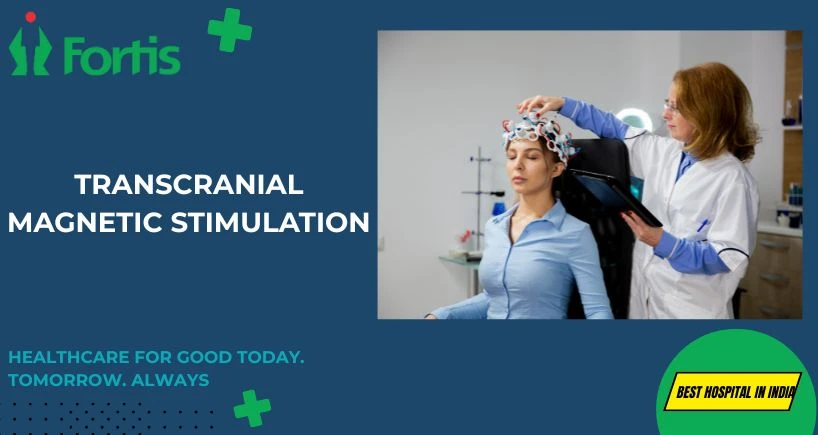
However, the landscape of treatment is expanding. Transcranial magnetic stimulation (TMS), originally a breakthrough for depression, is now proving to be a powerful tool for these other conditions, offering a non-drug option that works by directly modulating the brain's activity.
The Evolution Beyond Depression
Most people know tms for depression as a targeted therapy that wakes up sluggish mood centers in the brain. It has been a lifeline for those who didn't respond to antidepressants. But the brain is a network of circuits, and researchers have found that different circuits are involved in different disorders.
By adjusting the location and frequency of the magnetic pulses, doctors can now target the specific areas responsible for the repetitive loops of OCD or the hyperarousal of anxiety. It is sort of like finding a new key for a different lock in the brain.
TMS for Obsessive-Compulsive Disorder (OCD)
OCD is often characterized by a "stuck" gear in the brain. Intrusive thoughts loop endlessly, driving compulsive behaviors to reduce distress.
- The Evidence: The FDA has cleared deep TMS specifically for OCD. Unlike depression, which targets the prefrontal cortex, OCD treatment typically targets a deeper brain structure called the Anterior Cingulate Cortex.
- The Mechanism: The magnetic pulses help to regulate the activity in this "worry loop." By reducing the excitability of these overactive circuits, TMS treatment can help patients feel more in control of their thoughts and less driven by their compulsions. It is a significant step forward for those who haven't found relief with SSRIs alone.
A Promising Frontier for Anxiety
Anxiety often travels with depression, but it can also stand alone as a crippling force. Generalized Anxiety Disorder (GAD) involves a brain that is constantly on high alert.
- Calming the Storm: Emerging evidence suggests that TMS can help dampen the overactivity in the brain's fear center (the amygdala) and strengthen the "brakes" in the prefrontal cortex. This helps the brain shift out of fight-or-flight mode.
- Off-Label Potential: While research is still growing compared to depression, many clinicians are using modified protocols to help patients find calm. It doesn't hurt to ask your doctor if this might be an option for your specific type of anxiety.
Addressing Post-Traumatic Stress Disorder (PTSD)
PTSD is a disorder of memory and emotional regulation. Traumatic memories can remain vividly present, causing the brain to react as if the danger is still happening.
- Rewiring the Response: Studies are exploring how TMS can help the brain process these traumatic memories differently. By stimulating the circuits involved in emotional regulation, the goal is to reduce the intensity of flashbacks and the constant feeling of being on edge.
- Current Status: While still often considered an off-label or investigational use in many places, the results from clinical trials have been encouraging, offering a glimmer of hope for veterans and trauma survivors who struggle with traditional therapies.
What the Treatment Experience Is Like
One of the biggest advantages of TMS treatment is how unintrusive it is. It fits easily into a daily routine.
- Totally Awake: You sit in a comfortable chair for about 20 to 30 minutes. There is no anesthesia or sedation.
- No Systemic Side Effects: Unlike medications that affect your whole body, TMS is focused. You won't have to worry about weight gain, sexual dysfunction, or nausea.
- Immediate Return to Life: You can drive yourself to and from the appointment. It is pretty much a "lunch break" procedure.
Safety and Considerations
TMS is generally very safe. The most common side effect is a mild headache or scalp discomfort during the first few sessions, which usually goes away as you get used to it. Serious risks, like seizures, are extremely rare.
Finding Expert Care at Fortis
Because these are advanced and sometimes off-label applications, you need a highly experienced team. You want specialists who understand the nuances of brain mapping and protocol adjustment. The Department of Mental Health and Behavioural Sciences at Best Hospital In India, is at the forefront of this field. Their expert psychiatrists assess each patient individually to determine if TMS is a safe and appropriate addition to their treatment plan.
Expanding Your Options
If you have been struggling with OCD, anxiety, or the aftereffects of trauma, and medication hasn't given you the peace you deserve, know that you have options. Transcranial magnetic stimulation is no longer just for depression. It is evolving into a versatile tool for mental health.
It is worth having a conversation with a specialist. Exploring this technology could be the turning point in your journey toward a calmer, more controlled mind.