



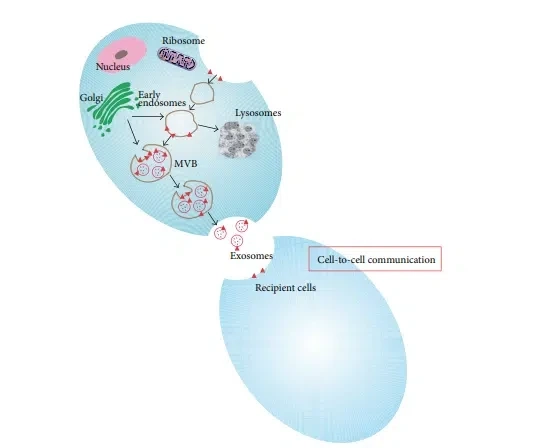
Exosomes research is rapidly reshaping modern biomedical science, offering new possibilities for diagnostics, therapeutics, and personalized medicine. As nanoscale extracellular vesicles released by nearly all cell types, exosomes act as powerful messengers, transporting proteins, lipids, RNA, and DNA fragments between cells. This unique role has placed exosomes at the center of cutting-edge research worldwide. At Exosomes Research, staying informed on the latest exosomes research news is essential to understanding how these discoveries translate into real-world clinical impact.
What Makes Exosomes So Important?
Exosomes are typically 30–150 nanometers in size, yet their influence is vast. They facilitate intercellular communication by delivering biologically active cargo that can regulate immune responses, influence tissue repair, and even promote or suppress disease progression. Because exosomes reflect the molecular profile of their parent cells, they offer unprecedented insight into physiological and pathological states.
Researchers have discovered that exosomes play critical roles in cancer progression, neurodegenerative diseases, cardiovascular disorders, immune regulation, and aging. Their ability to cross biological barriers, including the blood–brain barrier, makes them especially valuable for both diagnostics and therapeutic delivery systems.
Breakthroughs in Exosomes-Based Diagnostics
One of the most exciting areas in exosomes research news is diagnostics. Exosomes are found in easily accessible bodily fluids such as blood, urine, saliva, and cerebrospinal fluid. This accessibility enables the development of minimally invasive “liquid biopsies.”
Recent studies have shown that tumor-derived exosomes carry specific RNA and protein signatures that can be used for early cancer detection, disease monitoring, and treatment response assessment. Similar progress is being made in neurodegenerative diseases, where exosomal biomarkers are helping scientists detect conditions like Alzheimer’s and Parkinson’s disease at much earlier stages than traditional imaging methods allow.
As diagnostic accuracy improves, exosomes-based testing is expected to play a major role in precision medicine, allowing clinicians to tailor treatments based on individual molecular profiles.
Exosomes Therapy: From Concept to Clinic
Exosomes research news increasingly highlights therapeutic applications. Unlike whole-cell therapies, exosomes offer a cell-free alternative that reduces risks such as immune rejection or uncontrolled cell growth. Exosomes derived from stem cells, particularly mesenchymal stem cells (MSCs), have shown promise in tissue regeneration, wound healing, and immune modulation.
Clinical research in the United States and globally is exploring exosomes for treating inflammatory diseases, cardiovascular injury, musculoskeletal disorders, and neurological damage. In regenerative medicine, exosomes are being studied for their ability to promote angiogenesis, reduce inflammation, and stimulate tissue repair without the ethical and safety concerns associated with stem cell transplantation.
Additionally, engineered exosomes are gaining attention as targeted drug delivery vehicles. Scientists can load exosomes with therapeutic molecules, such as small interfering RNA (siRNA) or chemotherapeutic agents, and direct them toward specific cell types, improving efficacy while minimizing side effects.
Exosomes in Cancer Research
Cancer remains a major focus of exosomes research news. Tumor-derived exosomes influence nearly every stage of cancer development, including tumor growth, immune evasion, metastasis, and resistance to therapy. By studying these exosomes, researchers gain valuable insight into tumor behavior and communication within the tumor microenvironment.
Importantly, exosomes are also being explored as tools to combat cancer. Research is underway to use exosomes as cancer vaccines, immune modulators, and targeted delivery systems for anti-cancer drugs. These approaches aim to disrupt cancer signaling pathways while preserving healthy tissues.
Neurological and Brain Health Discoveries
The ability of exosomes to cross the blood–brain barrier has opened new frontiers in neurological research. Exosomes are now recognized as key players in neuron-to-neuron communication and neuroinflammation. Research news highlights their potential role in diagnosing traumatic brain injury, multiple sclerosis, and neurodegenerative diseases.
Therapeutically, exosomes are being investigated as carriers for neuroprotective agents, offering hope for conditions that currently lack effective treatments. This area of research continues to grow, driven by advances in nanotechnology and molecular biology.
Challenges and Standardization in Exosomes Research
Despite rapid progress, challenges remain. Standardizing exosome isolation, characterization, and quantification methods is a major focus in current research news. Variability in techniques can lead to inconsistent results, making reproducibility a key concern.
Regulatory frameworks are also evolving. As exosomes move closer to clinical use, researchers, clinicians, and regulatory bodies are working together to establish clear guidelines for safety, manufacturing, and quality control. These efforts are critical for translating laboratory discoveries into approved medical applications.
The Role of Education and Scientific Communication
With the field expanding so quickly, access to reliable, evidence-based information is more important than ever. Exosomes Research serves as a hub for research news, educational resources, and scientific analysis. By curating peer-reviewed studies, expert commentary, and emerging trends, the platform helps researchers, clinicians, and industry professionals stay informed.
Education plays a vital role in preventing misinformation, particularly as exosomes gain attention in commercial and clinical settings. Clear communication ensures that scientific advances are understood accurately and applied responsibly.
Looking Ahead: The Future of Exosomes Research
The future of exosomes research is highly promising. Advances in bioengineering, omics technologies, and artificial intelligence are accelerating discovery and application. Researchers are developing more precise methods to engineer exosomes, track their distribution in the body, and enhance their therapeutic payloads.
As collaboration between academia, biotechnology companies, and healthcare providers grows, exosomes are expected to become integral to next-generation diagnostics and therapies. Continued research news will shape how these innovations are adopted in clinical practice across the United States and beyond.
Conclusion
Exosomes research news reflects a field at the forefront of biomedical innovation. From early disease detection and personalized diagnostics to regenerative therapies and targeted drug delivery, exosomes are transforming how science understands and treats disease. Exosomes Research remains committed to sharing accurate, up-to-date insights that support scientific progress, education, and responsible clinical advancement. By staying informed, researchers and clinicians can help unlock the full potential of exosomes in improving human health.