



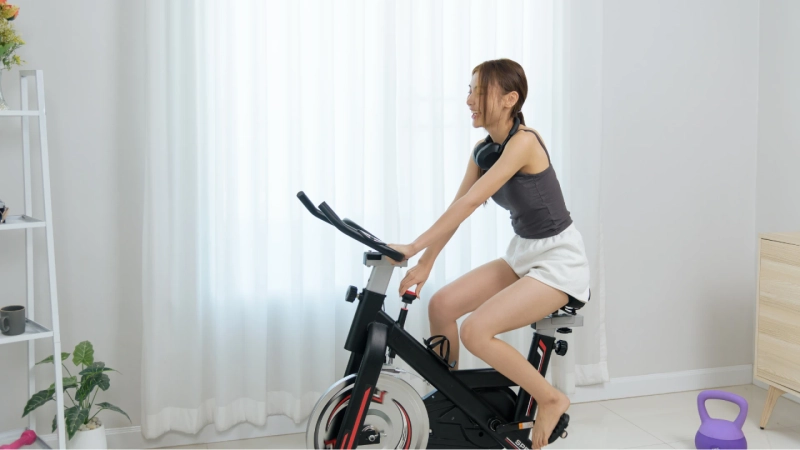
The best exercise bike has become a staple in both home gyms and commercial fitness centers. Their popularity stems from their versatility, low-impact nature, and ability to provide effective cardiovascular workouts. However, choosing the right model can feel overwhelming given the variety of designs, features, and price points available. Understanding your goals and priorities is key to making a decision that suits your lifestyle and fitness needs.
Whether your objective is weight management, endurance training, or rehabilitation, the type of bike you select can significantly affect your experience and outcomes. Each model offers distinct advantages and potential limitations, so it is crucial to evaluate your personal requirements before making a purchase. This guide aims to provide clarity on the essential considerations when selecting an exercise bike.
From comfort and resistance types to durability and technological features, there are several factors that influence performance and usability. By examining these elements systematically, you can identify a bike that supports your goals and encourages consistent use.
Types of Exercise Bikes
Exercise bikes are not a one-size-fits-all solution. Understanding the different categories helps align your choice with your fitness objectives.
Upright Bikes
Upright bikes resemble traditional bicycles, with pedals positioned directly below the rider. This design encourages a posture similar to outdoor cycling and engages core muscles more actively. They are generally compact, making them suitable for limited spaces. Resistance levels vary across models, allowing both beginners and seasoned cyclists to find an appropriate intensity.
Recumbent Bikes
Recumbent bikes feature a reclined seating position with extended leg placement, which can reduce strain on the lower back and joints. They are often recommended for older adults or individuals with mobility limitations. While they may not engage the core as intensely as upright bikes, their comfort and stability make them ideal for longer sessions.
Indoor Cycling or Spin Bikes
Spin bikes are designed for high-intensity workouts and simulate road cycling. These bikes often have heavier flywheels, adjustable resistance, and aggressive seating positions to replicate outdoor riding dynamics. They are favored by those looking for intensive cardio and interval training. However, they may require a period of adaptation for comfort, particularly for casual users.
Key Features to Consider
Selecting an exercise bike involves more than picking a style; specific features can greatly enhance or hinder your experience.
Resistance Mechanisms
Resistance determines the intensity of your workout. Common types include:
- Magnetic Resistance: Quiet, low-maintenance, and smoothly adjustable. Ideal for homes where noise is a concern.
- Friction Resistance: Often cheaper but requires more maintenance due to wear and tear. It may produce more noise during use.
- Air Resistance: Increases proportionally with pedaling speed, offering a dynamic challenge suitable for high-intensity training.
Adjustability
Proper fit is crucial to avoid discomfort or injury. Look for bikes with adjustable seat height, handlebar position, and pedal straps. Recumbent bikes should offer backrest adjustments as well. A customizable setup ensures optimal biomechanics and efficient power transfer during workouts.
Console and Metrics
Modern bikes often include digital displays to track distance, speed, heart rate, calories, and sometimes cadence. Advanced models may integrate connectivity for fitness apps, virtual courses, or performance monitoring. For goal-oriented training, having real-time feedback can provide motivation and measurable progress.
Comfort and Ergonomics
The ergonomics of a bike determine how long you can sustain workouts without discomfort. Seat padding, handlebar grip, pedal orientation, and frame stability all play a role. Test seating options if possible, as comfort can vary widely even among similarly priced models.
Build Quality and Stability
A solid frame, durable flywheel, and quality components contribute to long-term reliability. Heavier bikes tend to feel more stable, particularly during vigorous sessions. Considering build quality is especially important for users who anticipate frequent or intensive use.
Matching the Bike to Your Goals
Your intended fitness outcomes will guide which type of bike and features are most relevant.
- Weight Loss: Consistent cardiovascular sessions at moderate to high intensity are key. Bikes with adjustable resistance, robust consoles, and the ability to sustain longer workouts support this goal.
- Endurance and Performance Training: Spin and upright bikes with higher resistance ranges simulate outdoor cycling and interval challenges. Tracking performance metrics can help monitor improvements.
- Rehabilitation or Low-Impact Exercise: Recumbent bikes minimize joint stress while allowing controlled cardiovascular activity. Adjustable resistance ensures the exercise is challenging but safe.
Identifying your priorities and matching them to bike characteristics avoids unnecessary features while optimizing benefits.
Cost Considerations and Longevity
Exercise bikes range from budget-friendly models to high-end machines with sophisticated features. While price often correlates with durability and additional functionalities, it is essential to evaluate what you truly need. Investing in a well-built bike that encourages consistent use generally yields better results than opting for the cheapest option. Factor in warranty, maintenance requirements, and expected lifespan when making a decision.
Conclusion
Selecting the right exercise bike involves careful consideration of type, resistance mechanisms, adjustability, comfort, and durability. By understanding the nuances of each model and aligning them with personal fitness goals, users can ensure a more productive and enjoyable experience. Thoughtful evaluation promotes consistency, safety, and long-term engagement, making the investment in a home or commercial bike worthwhile.
FAQs
What is the difference between upright and recumbent bikes?
Upright bikes position the rider similarly to a traditional bicycle, engaging the core more, while recumbent bikes have a reclined seating position that reduces strain on the back and joints. Choice depends on comfort and training goals.
How important is resistance type?
Resistance affects workout intensity and smoothness. Magnetic resistance is quiet and low-maintenance, friction requires upkeep, and air resistance responds to pedaling speed for a more dynamic workout.
Can exercise bikes help with rehabilitation?
Yes. Recumbent bikes are particularly beneficial for rehabilitation due to their low-impact design, stability, and adjustability, allowing controlled cardiovascular exercise without stressing joints.
How often should an exercise bike be used for optimal results?
Frequency depends on goals, fitness level, and intensity. For general cardiovascular benefits, 3–5 sessions per week of 20–60 minutes is typical. Adjust according to progress and comfort.
Are expensive bikes always better?
Not necessarily. Higher cost may provide more features, durability, and comfort, but the best choice aligns with personal goals, space, and usage frequency rather than price alone.