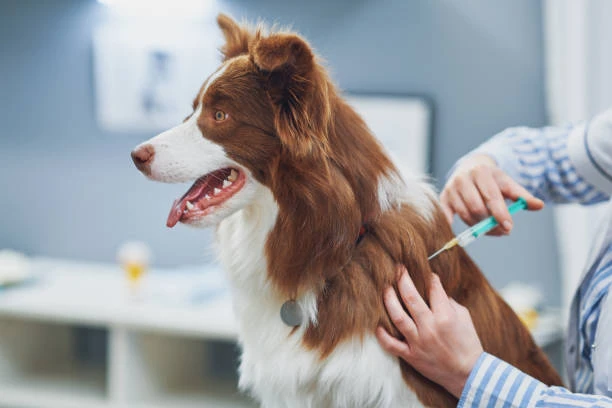
As a responsible pet owner, keeping your dog healthy is your top priority — and one of the most effective ways to do that is through regular dog vaccinations. Vaccines protect your furry friend from serious, sometimes life-threatening diseases. They not only safeguard your pet but also help prevent the spread of infections to other animals and even humans.
In this guide, we’ll explain why dog vaccinations are essential, the types of vaccines your pet may need, how often they should be given, and what to expect before and after vaccination.
1. Why Dog Vaccinations Are Important
Dog vaccinations work by stimulating your dog’s immune system to recognize and fight off specific diseases. When your pet receives a vaccine, their body produces antibodies that help protect them if they’re exposed to that illness in the future.
Without proper vaccination, dogs are vulnerable to several serious diseases such as parvovirus, rabies, and distemper. Some of these illnesses are not only difficult to treat but can also be fatal. Vaccinating your dog is a simple step that ensures long-term protection and peace of mind.
Key benefits of dog vaccinations include:
- Prevention of deadly diseases
- Lower veterinary costs in the long run
- Compliance with local laws and travel requirements
- Protection for other pets and people
Vaccination isn’t just an individual responsibility — it’s also about community health and safety.
2. Core vs. Non-Core Dog Vaccinations
Veterinarians classify dog vaccinations into two categories: core and non-core vaccines. Understanding the difference helps you make informed decisions about your pet’s care.
Core Vaccinations
These vaccines are essential for all dogs, regardless of breed, age, or lifestyle. They protect against the most common and severe diseases.
- Rabies: A fatal virus that affects the brain and nervous system, transmissible to humans. Required by law in most regions.
- Canine Distemper: A contagious virus affecting the respiratory, gastrointestinal, and nervous systems.
- Canine Parvovirus (Parvo): A highly contagious and often deadly disease causing severe vomiting and diarrhea.
- Canine Adenovirus (Hepatitis): Affects the liver and other organs, leading to serious health complications.
Non-Core Vaccinations
These are recommended based on your dog’s environment, travel habits, and exposure risk.
- Bordetella (Kennel Cough): Often required for dogs that visit boarding facilities or parks.
- Leptospirosis: Spread through contaminated water or soil; can also infect humans.
- Lyme Disease: Common in areas with ticks.
- Canine Influenza: For dogs frequently exposed to others in grooming or daycare settings.
Your vet can help determine which dog vaccinations are most suitable for your pet’s lifestyle and location.
3. Puppy Vaccination Schedule
Puppies are especially vulnerable to infections, which is why early vaccination is crucial. The first round of dog vaccinations usually starts at 6 to 8 weeks of age and continues every 3–4 weeks until they’re around 16 weeks old.
Here’s a general vaccination timeline for puppies:
AgeVaccine Type6–8 weeksDistemper, Parvovirus (DHPP)10–12 weeksDHPP booster, optional Bordetella14–16 weeksDHPP, Rabies12–16 monthsDHPP booster, Rabies boosterAnnuallyNon-core vaccines as needed
After the initial series, most vaccines require annual or triennial boosters to maintain immunity.
4. Adult Dog Vaccination Schedule
If you’ve adopted an adult dog or missed early vaccinations, don’t worry. Your vet can design a catch-up schedule to ensure full protection. Adult dogs generally need:
- Rabies booster: Every 1 to 3 years
- DHPP booster: Every 1 to 3 years
- Optional vaccines: Depending on risk factors (Bordetella, Leptospirosis, Lyme, etc.)
Keeping up with booster shots is just as important as the initial dog vaccinations, as immunity can fade over time.
5. What to Expect After Vaccination
Most dogs tolerate vaccinations well, but mild side effects are normal and temporary. Common reactions include:
- Slight fever or fatigue
- Mild swelling or soreness at the injection site
- Reduced appetite for a few hours
These symptoms usually resolve within 24 hours. However, contact your vet immediately if you notice:
- Persistent vomiting or diarrhea
- Severe swelling or hives
- Difficulty breathing or collapse
Such reactions are rare but require prompt medical attention.
6. How to Prepare Your Dog for Vaccinations
To make the experience smoother for your dog, follow these simple steps:
- Schedule wisely: Choose a quiet day so your dog can rest afterward.
- Stay calm: Dogs sense your emotions — remain relaxed to keep them at ease.
- Bring comfort items: A favorite toy or treat can help reduce anxiety.
- Update medical records: Share your dog’s health history with the vet before vaccination.
- Reward your dog: Positive reinforcement helps them associate vet visits with good experiences.
Proper preparation helps reduce stress and makes dog vaccinations a routine part of care.
7. Myths and Facts About Dog Vaccinations
There are many misconceptions about vaccines. Let’s clear up some common myths:
- Myth: “Vaccines aren’t necessary for indoor dogs.”
- Fact: Even indoor pets can be exposed to diseases through air, humans, or other animals.
- Myth: “Vaccines cause more harm than good.”
- Fact: Adverse reactions are extremely rare, and the benefits of dog vaccinations far outweigh the risks.
- Myth: “Once vaccinated, dogs are protected for life.”
- Fact: Most vaccines require boosters to maintain immunity.
Understanding the truth helps you make the best health decisions for your pet.
8. The Role of Regular Vet Visits
Vaccination is just one part of preventive care. Regular vet check-ups ensure your dog’s overall health is monitored, and your vaccination records stay up to date. Your vet may adjust the schedule based on:
- Age and breed
- Lifestyle and exposure risk
- Geographic location
- Health conditions or allergies
Keeping an open dialogue with your vet helps you provide personalized care for your pet.
9. Cost of Dog Vaccinations
The cost of dog vaccinations depends on your location, the type of vaccine, and your vet’s fees. On average, a basic set of vaccines can range from ₹1,000 to ₹3,000 per visit. While it’s an expense, it’s a small price to pay compared to the cost of treating serious diseases. Many clinics also offer wellness packages that include vaccinations at discounted rates.
10. Final Thoughts
Regular dog vaccinations are one of the simplest yet most powerful ways to protect your pet from dangerous diseases. They’re safe, effective, and an essential part of preventive healthcare. By following your vet’s vaccination schedule, maintaining booster shots, and keeping records updated, you’re ensuring your furry friend lives a long, healthy, and happy life.
Remember — prevention is always better (and cheaper) than cure. So, make sure your dog’s next vaccination appointment is on your calendar today.