



The Smart Home Connectivity Problem
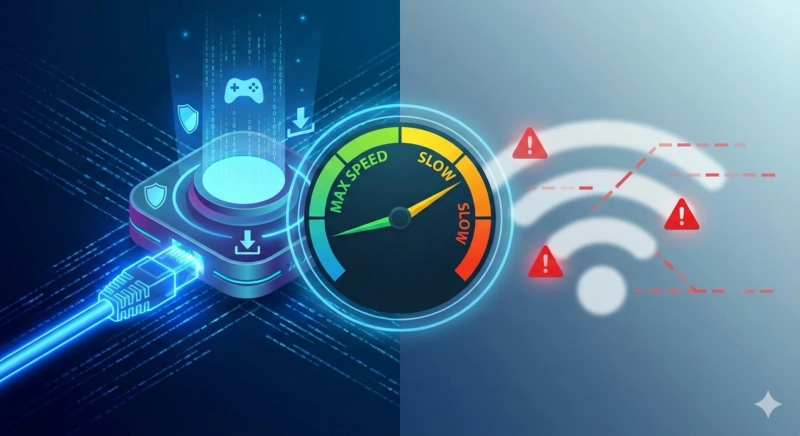
Your smart home should make life easier, not frustrating. Yet many homeowners experience dropped connections, laggy responses, and devices that randomly go offline. The culprit isn't usually the devices themselves but the wireless network struggling to keep up.
Wi-Fi has become the default choice for smart home installations. It's convenient and doesn't require drilling holes or running cables. But convenience comes at a cost when your security cameras freeze during critical moments or your smart locks fail to respond when you're at the door.
Why Ethernet Changes Everything
Ethernet connections transform unreliable smart homes into rock-solid automation systems. When you invest in bulk network cable and proper wired infrastructure, you're building a foundation that won't let you down. Here are eight stability advantages that make Ethernet the superior choice.
1. Zero Interference From Neighboring Networks
Wi-Fi signals compete constantly with your neighbors' networks. Every router nearby broadcasts on the same limited channels, creating invisible congestion that slows your connection. This interference intensifies in apartment buildings and dense neighborhoods.
Ethernet eliminates this problem entirely. Your data travels through dedicated copper wires that don't care about the dozens of Wi-Fi networks around you. No matter how crowded your wireless airspace becomes, your wired devices maintain perfect connectivity.
2. Consistent Speeds Without Bandwidth Sharing
Wi-Fi divides bandwidth among all connected devices. When your kids stream videos, your smart home devices get less bandwidth. This sharing creates unpredictable performance where commands sometimes work instantly and sometimes take several seconds.
Wired connections provide dedicated bandwidth to each device. Your security camera gets its full allocation whether or not someone's downloading files. This consistency means your automation responds the same way every single time.
3. No Signal Degradation Through Walls
Wireless signals weaken as they pass through walls, especially those with metal studs or dense materials. Smart devices in basements or far corners of your home often struggle with weak signals. You might add Wi-Fi extenders, but these create their own complications.
Ethernet cables maintain signal strength across their entire length. A device 300 feet away receives the same quality connection as one five feet from your switch. Installing bulk network cable throughout your home ensures every location has reliable access.
4. Superior Security Against Intrusions
Wi-Fi networks broadcast signals that anyone nearby can detect. While encryption protects your data, wireless networks remain vulnerable to sophisticated attacks. Hackers don't need physical access to attempt breaching your network.
Wired networks require physical access to your cables. An attacker would need to enter your home and plug into your network. This physical barrier makes Ethernet inherently more secure for sensitive smart home systems like cameras and door locks.
5. Lower Latency for Real-Time Control
Latency matters when you're disarming your alarm or unlocking doors. Wi-Fi introduces variable delays as devices negotiate connections and compete for airtime. These delays might only be milliseconds, but they add up to noticeable lag.
Ethernet delivers consistently low latency measured in microseconds. Commands reach devices almost instantaneously. This responsiveness makes your smart home feel truly intelligent rather than sluggish and unpredictable.
6. No Router Reboots Required
How often do you restart your router to fix connection issues? Wi-Fi networks develop problems that only clearing the router's memory can solve. These interruptions disrupt your entire smart home until connectivity restores.
Ethernet switches rarely need rebooting. Once properly configured, they run for months or years without intervention. Your smart home maintains stability without the periodic disruptions that plague wireless systems.
7. Better Performance for Bandwidth-Hungry Devices
Security cameras, especially 4K models, consume enormous bandwidth. Streaming multiple camera feeds over Wi-Fi can overwhelm your network. Video quality suffers, and other devices struggle to maintain connections.
Wired connections handle high-bandwidth devices effortlessly. You can run numerous 4K cameras without impacting network performance. When planning your installation, purchasing bulk network cable for all cameras ensures optimal video quality.
8. Future-Proof Infrastructure That Scales
Wi-Fi standards evolve, requiring router upgrades to support faster speeds. Your older devices might not support newer standards, creating compatibility headaches. The wireless network that works today might struggle as you add more devices.
Ethernet cables installed today support tomorrow's technology. Cat6 and Cat6a bulk network cable handles current gigabit speeds and future 10-gigabit standards. Your infrastructure investment pays dividends for decades without requiring replacement.
Planning Your Wired Smart Home
Converting to wired connections requires upfront planning but delivers long-term reliability. Start by identifying critical devices that benefit most from Ethernet: security cameras, smart hubs, network-attached storage, and entertainment systems.
Run bulk network cable during construction or renovation when walls are open. If that's not possible, surface-mounted conduit or existing cable pathways work well. Professional installers can fish cables through finished walls with minimal damage.
Combining Wired and Wireless Strategically
Not every device needs Ethernet. Battery-powered sensors and mobile devices naturally require wireless connections. The key is using Ethernet for your smart home's backbone while allowing Wi-Fi for convenience devices.
Connect your main smart hub, security equipment, and stationary devices via Ethernet. Use Wi-Fi for voice assistants, smart bulbs, and portable devices. This hybrid approach maximizes both stability and flexibility.
The Investment That Pays Off
Quality bulk network cable costs more upfront than relying solely on Wi-Fi. However, the investment eliminates ongoing frustration and creates a system you can trust. Your smart home becomes genuinely smart rather than occasionally temperamental.
Consider the cost of your time troubleshooting connection issues. Factor in the peace of mind knowing your security system won't fail when you need it most. Ethernet isn't just about better technology; it's about reliable protection for your home and family.
Conclusion
Wi-Fi chaos doesn't have to define your smart home experience. Ethernet provides the stability foundation that makes home automation work as intended. From eliminating interference to providing consistent performance, wired connections solve the problems that plague wireless systems. When you're ready to build or upgrade your smart home, choosing Ethernet over Wi-Fi delivers reliability you can count on every single day.