



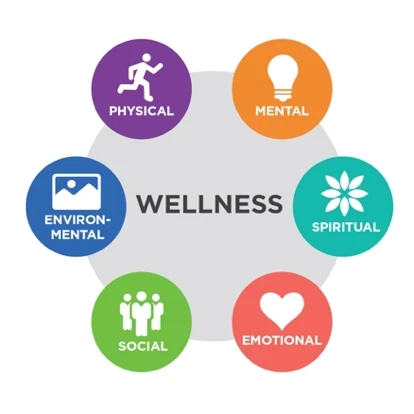
Living a healthy life is not just about eating the right foods or hitting the gym. Health and wellness are comprehensive concepts that include both physical and mental well-being. Achieving balance in life requires a mix of proper nutrition, regular exercise, mental relaxation, and a healthy lifestyle. With the rise of modern-day stresses and demands, it's easy to lose sight of what truly matters for our health. However, adopting a holistic approach can help guide you to a well-rounded and fulfilled life.
In this article, we will explore some essential tips to help you achieve optimal health and wellness, along with expert advice on how to incorporate these practices into your daily routine. Whether you're looking to improve your physical fitness, mental health, or overall lifestyle, these expert-approved strategies will set you on the right path.
Prioritize Proper Nutrition for Optimal Health
One of the cornerstones of health and wellness is proper nutrition. What we eat significantly impacts our energy levels, mood, and overall physical health. A well-balanced diet ensures that your body receives the necessary nutrients it needs to function at its best.
Incorporating Whole Foods into Your Diet
A diet rich in whole foods is essential for maintaining a healthy body. Whole foods include fruits, vegetables, whole grains, lean proteins, and healthy fats. These foods are naturally packed with vitamins, minerals, and antioxidants that help fight inflammation, boost immunity, and support overall health.
Start by focusing on a variety of colorful fruits and vegetables. The vibrant colors indicate the presence of different nutrients that are beneficial for your body. Try to incorporate leafy greens, berries, citrus fruits, and cruciferous vegetables like broccoli and cauliflower into your meals for maximum health benefits.
Avoid Processed Foods
Processed foods, on the other hand, are often high in unhealthy fats, sugars, and salt. Regular consumption of processed snacks, sugary drinks, and fast food can lead to weight gain, inflammation, and chronic diseases. By replacing processed foods with whole, nutrient-dense options, you can maintain a healthy weight, reduce your risk of diseases like diabetes, and improve your energy levels.
The Importance of Regular Exercise
Exercise is another crucial aspect of health and wellness. Regular physical activity has a profound impact on both your physical and mental well-being. It helps maintain a healthy weight, strengthens muscles and bones, boosts mood, and improves cardiovascular health.
Finding the Right Exercise Routine for You
The key to a successful exercise routine is consistency. Whether you prefer cardio exercises like running or cycling, strength training, or yoga, the most important thing is to choose activities you enjoy. When you engage in exercises you find fun, you're more likely to stick with them in the long run.
For beginners, it's recommended to start with moderate exercises like brisk walking, light jogging, or swimming. Gradually increase the intensity as you build endurance and strength. A balanced fitness routine should include a mix of aerobic exercises, strength training, and flexibility exercises to work on different aspects of your health.
Mental Health Benefits of Exercise
In addition to the physical benefits, exercise is also known to have a significant impact on mental health. Physical activity increases the release of endorphins, which are the body's natural mood boosters. This can help alleviate symptoms of anxiety, depression, and stress, contributing to better emotional health.
Mental Wellness: Tips for Stress Management
Mental wellness is often overlooked in the pursuit of physical health, but it’s equally important for a balanced life. The demands of modern life, including work stress, family responsibilities, and social pressures, can take a toll on your mental well-being. Expert tips & wellness advice emphasize the importance of managing stress to maintain mental health.
Practice Mindfulness and Meditation
Mindfulness and meditation are powerful tools for managing stress and enhancing mental clarity. These practices allow you to focus on the present moment, reducing the constant mental chatter that can lead to anxiety. Even just a few minutes of mindful breathing each day can have a significant impact on your mental wellness.
Start with short sessions of meditation, focusing on your breath and letting go of any distracting thoughts. Over time, you may find that these sessions help you feel more grounded, calm, and centered, making it easier to navigate the challenges of daily life.
Take Regular Breaks
It's easy to become overwhelmed by the demands of work or daily life. Taking regular breaks throughout the day can help reset your mind and prevent burnout. Whether you're working at your desk or taking care of household chores, make sure to schedule short breaks to rest and recharge.
Even a few minutes of stretching, walking outside, or practicing deep breathing can make a big difference in how you feel. These moments of rest will help you stay focused, improve your mood, and boost your productivity.
Sleep: The Foundation of Health and Wellness
Getting enough quality sleep is essential for overall health and wellness. Sleep is when your body repairs itself, strengthens the immune system, and processes the information gathered throughout the day. However, many people struggle with sleep, often due to stress, poor sleep habits, or lifestyle choices.
Create a Relaxing Bedtime Routine
A relaxing bedtime routine can signal your body that it’s time to wind down. This can include activities like reading, taking a warm bath, or practicing relaxation techniques. Avoid using electronic devices like smartphones and computers before bed, as the blue light emitted by screens can interfere with your ability to fall asleep.
Aim for 7-9 Hours of Sleep
Most adults require between 7 and 9 hours of sleep each night to function optimally. Lack of sleep can lead to a range of health problems, including impaired cognitive function, weakened immune response, and increased risk of chronic conditions like heart disease and diabetes. Make sleep a priority and aim for a consistent sleep schedule to ensure your body gets the rest it needs.
Hydration: Don’t Underestimate Its Importance
Proper hydration is essential for every system in your body. Water plays a vital role in digestion, circulation, temperature regulation, and detoxification. Many people don’t drink enough water, which can lead to dehydration and a variety of health problems.
Drink Water Throughout the Day
It's important to drink water consistently throughout the day to maintain optimal hydration levels. Keep a water bottle with you at all times to remind yourself to drink. The amount of water you need will depend on factors like your activity level, climate, and overall health, but a good general guideline is to drink at least eight 8-ounce glasses of water daily.
Avoid Sugary Drinks
While sugary beverages like soda and energy drinks can be tempting, they are often full of empty calories that can negatively affect your health. Instead of reaching for sugary drinks, opt for water, herbal teas, or naturally flavored water with a slice of lemon or cucumber for a refreshing change.
Social Connections and Community
Human beings are inherently social creatures, and our relationships play a significant role in our health and wellness. Building and maintaining strong social connections can provide emotional support, reduce stress, and even improve your immune system.
Engage in Social Activities
Make time to engage in social activities, whether it's spending time with family, participating in group hobbies, or volunteering. Social connections can help reduce feelings of loneliness and boost your mood, contributing to better mental health.
Strengthen Relationships
Nurture your relationships by making an effort to connect with loved ones regularly. Whether it's a phone call, text, or in-person meeting, maintaining these connections will create a support system that can help you navigate challenges and celebrate successes.
Conclusion
Achieving health and wellness is a lifelong journey that requires dedication, consistency, and self-care. By focusing on proper nutrition, regular exercise, stress management, and sleep, you can create a balanced lifestyle that supports both physical and mental well-being. Remember that small, consistent changes can lead to significant improvements over time. By following expert tips and wellness advice, you can live a healthier, happier life that feels as good as it looks.