



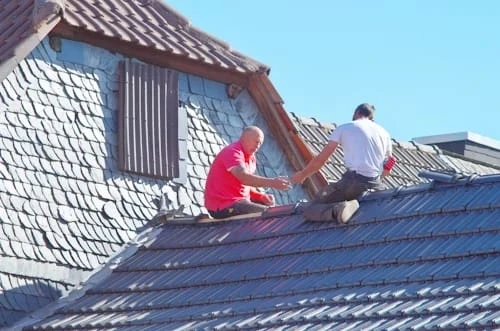
I’ve been fitting flat roofs for twenty years, and few materials have earned my respect like EPDM. Back when I started, we were still torching felt in freezing winds. Then came EPDM — clean, safe, reliable. The first EPDM roof installation I did was a 10x5 shed roof with a Firestone kit, and that job converted me for good.
If you’re planning a rubber roof installation in 2025, you’re looking at one of the most practical systems out there. Let me show you exactly how I do it, warts and all.
Why Choose EPDM in 2025
Durability. Flexibility. Simplicity. Those are the three pillars. EPDM roofing installation isn’t complicated, but it demands discipline. Installed correctly, it’ll last longer than your van.
Firestone EPDM installation guides haven’t changed much because the method works. Proper prep, good adhesive control, tight edges — the fundamentals never age.
Step 1: Prep It Like You Mean It
Strip everything down to a clean, dry deck. Replace rotten boards. If the surface feels spongy, it’s not ready. I usually fit new OSB3 and slope it slightly. Water must have somewhere to go — ponding kills even the best EPDM.
For insulation, go for 100 mm PIR with foil facing. Fix tight, no gaps.
Step 2: Dry Fit the Membrane
Unroll the sheet, check coverage, and let it relax. EPDM expands slightly in heat, so installing when the weather’s mild (10–20°C) gives you the best results.
I once fitted a cold-stiff sheet in December — it looked fine but shrank half an inch at every edge by spring. Never again.
Step 3: Apply Adhesive and Lay
Fold the membrane back halfway. Use water-based adhesive on the main field, contact adhesive at perimeters. Work smoothly. Once the glue flashes off, roll the rubber down and broom it out.
Repeat for the other side. If bubbles appear, gently lift and re-smooth — don’t pierce them.
Step 4: Corners and Flashings
Corners are tricky. I use preformed Firestone corner pieces now — worth every penny. On upstands, glue halfway up and fix with termination bars.
The key is consistency — even pressure, no stretching. Stretching looks tidy today, but in a year, you’ll see shrink marks.
Step 5: Seams and Penetrations
Overlap seams 150 mm, prime both surfaces, and roll seam tape in place. For pipes, always use proper EPDM pipe boots or collar kits.
I once saw a DIYer use silicone — it peeled within months. EPDM requires EPDM-compatible materials.
Step 6: Inspection & Finish
When I finish an EPDM rubber roofing installation, I do two passes — one visual, one tactile. Press every joint, trim, and corner. Apply lap sealant liberally.
Good work looks boring — no bubbles, no gaps, no drama.
Costs for 2025
MaterialPrice per m²NotesEPDM Sheet£8–£14Firestone or similarAdhesives & Sealants£5–£6Includes both typesEdge Trims£3–£4Aluminium preferredLabour£30–£40Skilled installersTotal (Installed)£46–£64/m²Typical domestic roof
Maintenance and Longevity
A quick brush twice a year, keep outlets clear, and you’re good. My 2015 garage roof still beads water perfectly. The only job since has been cleaning leaves.
Final Words
The beauty of EPDM roof installation lies in its simplicity. Follow the Firestone EPDM installation guide, trust your prep work, and never rush. It’s not glamorous, but when the first storm hits and your client’s ceiling stays bone dry, you’ll know you nailed it.