



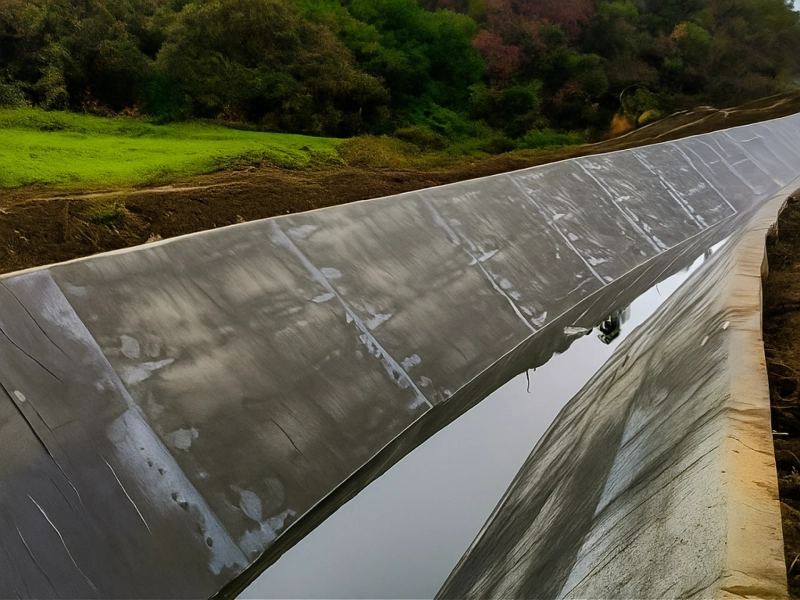
Efficient water distribution has become one of the most critical needs in modern agriculture, urban development, and environmental management. Canal lining plays a vital role in improving irrigation efficiency, conserving water, and reducing ecological disturbances. With increasing demand for sustainable infrastructure, engineered solutions such as BGM canal lining systems are reshaping how irrigation channels are built and maintained.
Why Canal Lining Matters for Sustainability
Unlined canals are highly vulnerable to seepage, soil erosion, and structural degradation. This not only reduces water availability but also affects surrounding ecosystems. Using modern canal lining materials ensures:
✔ Reduced Water Loss
Seepage can account for up to 30–50% of total water loss in some irrigation networks. Canal lining significantly minimizes this leakage, ensuring more water reaches agricultural fields.
✔ Improved Ground Stability
Lining prevents water infiltration into surrounding soil layers, helping avoid canal bed erosion and slope failure. Stable canals reduce maintenance costs and environmental damage caused by uncontrolled erosion.
✔ Enhanced Water Management Efficiency
Lined canals provide smoother hydraulic flow, enabling better control over water distribution. This contributes to sustainable irrigation practices and optimized water usage.
Environmental Benefits: A Closer Look
1. Leakage Control & Water Savings
One of the most critical environmental impacts of canal lining is seepage reduction. By controlling water loss, canal lining supports groundwater conservation, protects aquatic ecosystems, and ensures consistent water delivery during dry seasons.
2. Preventing Soil Salinization
Unlined canals often cause seepage that raises the local groundwater table, leading to soil salinity issues. This harms crops and disrupts natural habitats. Lined canals help maintain soil health and agricultural productivity.
3. Reduced Vegetation Overgrowth
Excessive seepage encourages unwanted vegetation along canal edges. Lining reduces plant intrusion, decreasing the need for chemical or mechanical control methods.
4. Long-Term Sustainability
Modern materials, especially geomembrane-based systems like BGM canal lining, provide durability, UV resistance, and eco-safe performance. These factors directly contribute to sustainable long-term water resource management.
Types of Canal Lining
There are many canal lining types, each suited for different environmental and soil conditions:
- Geomembrane Canal Lining (BGM, HDPE, PVC)
- Known for exceptional impermeability and durability. BGM liners are particularly effective for large-scale irrigation projects.
- Concrete Lining
- Traditional and widely used, concrete provides good strength but can be prone to cracking in certain soil conditions.
- Shotcrete / Gunite Lining
- Ideal for rehabilitating older canals or stabilizing slope surfaces.
- Clay or Soil-Cement Lining
- A cost-effective option for smaller canals, though less durable than synthetic membranes.
Understanding types of canal lining helps irrigation authorities and project planners choose the best system for leakage control, environmental sustainability, and operational efficiency.
Canal Lining Solutions for Modern Water Challenges
As water scarcity intensifies worldwide, choosing advanced canal lining solutions is essential. Geosynthetics such as BGM geomembranes combine strength, flexibility, and environmental safety, making them ideal for irrigation, industrial, and municipal canal systems.
For projects requiring long-term performance with minimal ecological disturbance, engineered geomembrane systems are becoming the preferred choice.
Conclusion
The environmental impact of canal lining is overwhelmingly positive—strengthening water conservation, stabilizing soil, and improving irrigation efficiency. As the demand for sustainable water management grows, innovative technologies from Yooil Envirotech continue to redefine what is possible in modern canal engineering. With advanced systems like BGM geomembranes, the future of canal infrastructure is moving toward more resilient, eco-friendly, and resource-efficient solutions. continue to redefine what is possible in modern canal engineering. With advanced systems like BGM geomembranes, the future of canal infrastructure is moving toward more resilient, eco-friendly, and resource-efficient solutions.