



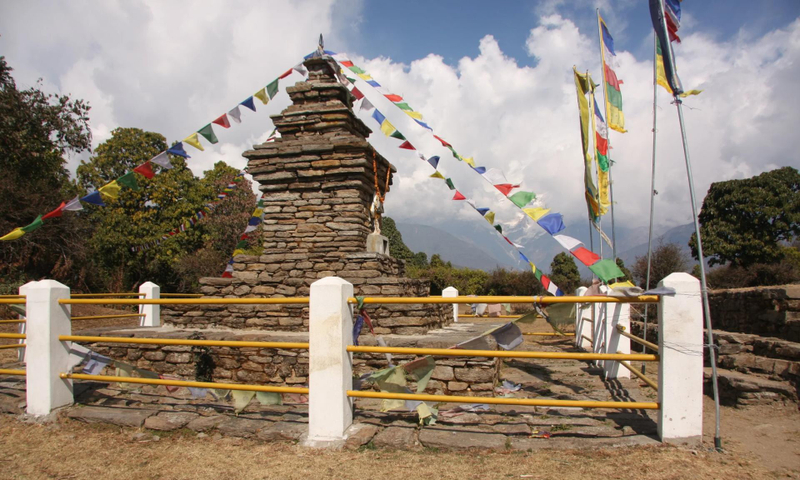
Nepal, a country celebrated for its dramatic landscapes, rich ecosystems, and cultural harmony with nature, is at a critical moment in its environmental journey. With rapid urbanization, increasing tourism, and climate-related challenges affecting water, forests, and biodiversity, environmental education has become more important than ever. Garden in the Himalaya, an initiative dedicated to plant conservation, community learning, and sustainable living, is taking a leading role in strengthening environmental awareness across the country. Their programs inspire communities, especially youth, to reconnect with nature and become active guardians of Nepal’s fragile environment.
Building a Foundation of Ecological Literacy
Environmental awareness begins with understanding. In many parts of Nepal, especially rural areas, young people grow up close to nature but may not learn the scientific and ecological principles behind environmental protection. Garden in the Himalaya bridges this gap by offering hands-on education that transforms natural curiosity into informed, meaningful action.
Through workshops, outdoor classes, and guided nature walks, students learn about:
- Forest ecosystems and the importance of biodiversity
- Soil health, composting, and sustainable farming
- Waste management and the impacts of pollution
- Climate change and its visible effects in the Himalayas
- Conservation of water resources and watershed protection
- Native plants, medicinal herbs, and cultural botanical knowledge
By combining scientific understanding with cultural traditions, Garden in the Himalaya ensures that learners appreciate both the ecological and cultural value of Nepal’s natural heritage.
Using Gardens as Living Classrooms
One of the most innovative methods used by Garden in the Himalaya is the creation of living classrooms—gardens that serve as educational spaces for students, teachers, and community members. These gardens include native Himalayan plants, medicinal herbs, pollinator-friendly flowers, and vegetable beds cultivated through sustainable practices.
Instead of passive, textbook-based learning, students participate actively:
they plant seeds, observe plant growth, identify insects, and learn how ecosystems function. This tactile connection helps environmental lessons stick and encourages children to develop responsibility, empathy, and respect for the natural world.
School gardens also introduce practical skills such as composting, soil preparation, and organic pest control—skills that students can take home to their families, contributing to healthier, greener communities.
Reviving Traditional Plant Knowledge
Environmental awareness in Nepal is deeply intertwined with cultural heritage. For generations, Himalayan communities have used medicinal herbs, wild edibles, and forest plants for food, healing, and rituals. However, much of this traditional knowledge is at risk of fading as lifestyles change.
Garden in the Himalaya plays an important role in preserving this heritage by documenting indigenous plant knowledge and integrating it into educational programs. Elders and local healers are invited to share their wisdom during workshops, helping younger generations understand the value of wild plants, sustainable harvesting practices, and the cultural significance of Himalayan biodiversity.
By blending traditional wisdom with modern environmental education, the initiative promotes a holistic understanding of nature—one that honors both science and ancestral knowledge.
Empowering Youth as Environmental Leaders
Young people are at the heart of environmental change, and Garden in the Himalaya places strong emphasis on youth engagement. By involving students in gardening, tree planting, nature camps, and environmental projects, the organization helps cultivate a sense of leadership and responsibility.
Youth participants often take the initiative to start home gardens, organize clean-up campaigns, teach peers about sustainability, and volunteer in conservation programs. Through these activities, they learn the importance of teamwork, problem-solving, and environmental stewardship—skills that shape them into future leaders.
Promoting Sustainable Community Practices
Environmental awareness is not only about education—it is about changing daily behavior. Garden in the Himalaya encourages sustainable choices that communities can adopt with minimal resources. These include:
- Reducing dependence on chemical fertilizers
- Practicing composting and minimizing waste
- Protecting local water sources
- Growing native plants that require less care
- Encouraging biodiversity in home gardens
- Avoiding harmful plastics and promoting eco-friendly alternatives
In remote Himalayan areas where environmental challenges can directly affect livelihoods, such practices significantly improve local resilience and well-being.
Building a Culture of Conservation
Through its outreach programs, events, and community partnerships, Garden in the Himalaya is helping shift the cultural mindset toward environmental responsibility. Awareness campaigns, nature festivals, plant hunts, and eco-learning events bring people together to appreciate nature and recognize their shared role in protecting it.
By fostering this culture of conservation, the initiative ensures that environmental protection becomes not just a lesson—but a way of life.
Conclusion
Environmental awareness education in Nepal is essential for preserving the breathtaking landscapes and rich biodiversity that define the country. Garden in the Himalaya is leading this effort by creating living classrooms, promoting traditional plant knowledge, empowering youth, and encouraging sustainable community practices. Their work is helping communities reconnect with nature, build ecological responsibility, and cultivate a greener, more resilient future. Through education and shared action, the people of Nepal are becoming stronger guardians of their extraordinary Himalayan environment.