



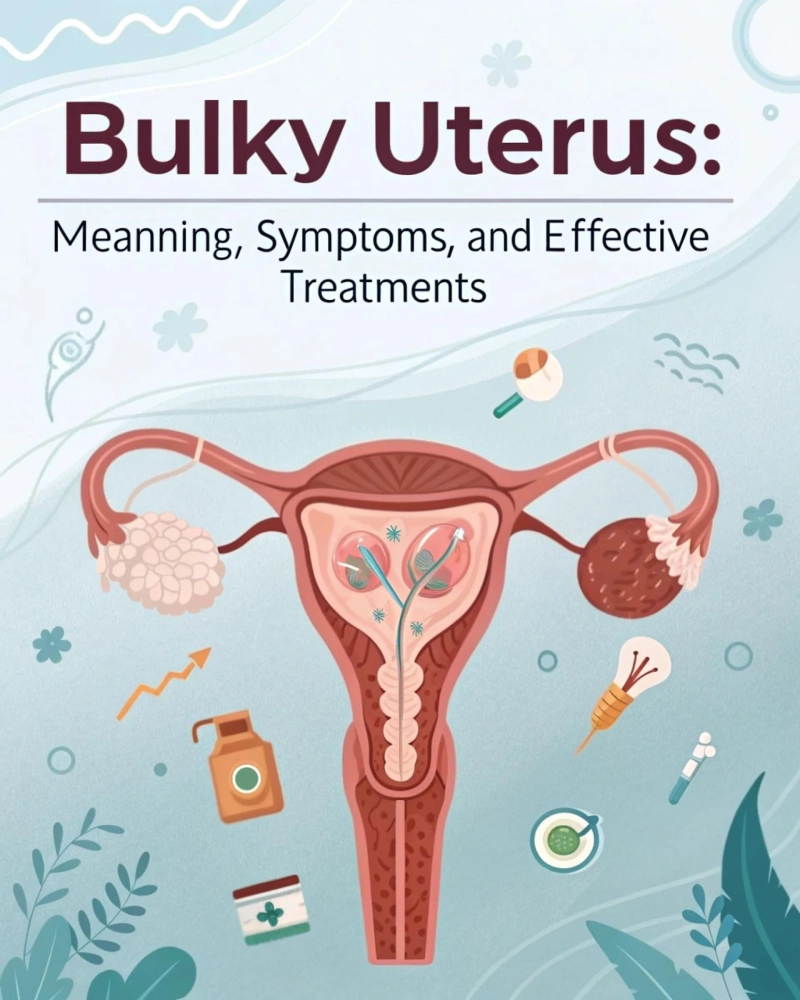
Women often hear the term “enlarged” or “bulky” uterus during routine pelvic scans but may not fully understand what it means. This condition refers to an abnormal increase in uterine size caused by several underlying gynecological problems. Although common, an enlarged uterus can produce uncomfortable symptoms, affect fertility, and disrupt daily life if not treated on time.
This detailed guide covers the causes, symptoms, diagnostic methods, and Treatment Options for Bulky Uterus. We’ll also help you understand the Cost of Bulky Uterus Treatment so you can plan your healthcare journey better.
What Does an Enlarged or Bulky Uterus Mean?
A normal uterus is approximately the size of a fist. When it becomes noticeably larger, medical professionals classify it as bulky. The growth may be symmetrical or irregular depending on the cause. Some women develop mild enlargement without any symptoms, while others experience severe discomfort.
Primary Causes Behind a Bulky Uterus
Several conditions can lead to uterine enlargement:
✅ Uterine Fibroids
Non-cancerous muscular growths that can distort the uterine wall.
✅ Adenomyosis
Endometrial tissue embeds into the uterine muscle, leading to swelling and chronic pain.
✅ Hormonal Imbalance
Excess estrogen encourages thickening of uterine tissues.
✅ Endometrial Disorders
Uncontrolled lining overgrowth may lead to enlargement.
✅ Multiple Pregnancies
Repeated stretching may cause permanent size changes.
✅ Menopause Transition
Hormonal fluctuations contribute to tissue growth and inflammation.
These conditions are often detected through imaging and detailed medical evaluation.
Common Symptoms You Should Not Ignore
While some cases remain silent, many women experience:
- Heavy and prolonged menstrual cycles
- Severe period cramps
- Lower abdominal pressure
- Persistent pelvic pain
- Pain during intimacy
- Difficulty with urination
- Bowel movement discomfort
- Fatigue caused by anemia
- Visible abdominal swelling
- Reduced fertility or recurrent miscarriages
Ignoring these signs can worsen complications over time.
How Doctors Diagnose a Bulky Uterus
A proper diagnosis usually involves:
1. Pelvic Examination
Physicians feel for size changes, tenderness, and irregular shapes.
2. Ultrasound Scan
Most commonly used to identify fibroids, adenomyosis, and tissue growth.
3. MRI (Advanced Imaging)
Provides detailed mapping for surgical planning.
4. Hormonal Blood Tests
Evaluates levels contributing to abnormal growth.
5. Biopsy (In Select Cases)
Rules out malignancy when symptoms appear suspicious.
Prompt diagnosis leads to better, less invasive treatment choices.
Possible Complications When Left Untreated
If ignored, an enlarged uterus can result in:
- Severe iron deficiency anemia
- Chronic pelvic discomfort
- Painful intercourse
- Constant urinary issues
- Worsening constipation
- Surgical complications later
- Emotional stress and anxiety
Women trying to conceive may struggle with implantation and embryo growth.
Can a Bulky Uterus Affect Fertility?
Yes — depending on the cause, it may:
- Obstruct sperm movement
- Block fallopian tubes
- Distort uterine cavity
- Cause hormonal imbalance
- Reduce blood supply to embryo
However, early medical intervention improves outcomes significantly.
Effective Treatment Options for Bulky Uterus
Doctors choose treatment based on symptoms, severity, and pregnancy plans. Here are the most recommended Treatment Options for Bulky Uterus:
1. Medication-Based Management
Pain relievers reduce cramps, while hormonal drugs regulate bleeding.
2. Hormone-Releasing IUD
Helps reduce heavy periods and uterine lining thickness.
3. Uterine Artery Embolization (UAE)
A minimally invasive method that cuts blood supply to fibroids.
4. Myomectomy
Surgical removal of fibroids while preserving fertility.
5. Endometrial Ablation
Destroys the problematic uterine lining — not usually recommended for women planning pregnancy.
6. Hysterectomy
Complete removal of the uterus; considered when other options fail.
Lifestyle modifications may enhance results but cannot shrink the uterus alone.
Estimated Cost of Bulky Uterus Treatment
The Cost of Bulky Uterus Treatment varies depending on:
- Location (country or region)
- Hospital type (public vs. private)
- Diagnostic tests needed
- Surgery type (open or minimally invasive)
- Surgeon expertise
- Post-treatment medications
- Hospital stay duration
Minimally invasive procedures usually cost more but offer quicker recovery and fewer complications.
Recovery and Healing Expectations
Recovery differs depending on the treatment:
- Medication therapy: few days
- Mild procedures (UAE): 1–2 weeks
- Myomectomy: 4–6 weeks
- Hysterectomy: up to 8 weeks
Doctors often advise:
- Adequate rest
- Avoiding heavy lifting
- Iron supplementation
- Hydration
- Follow-up scans
- Gentle physical activity
Lifestyle Tips to Support Recovery
While they don’t cure the condition, these steps help manage symptoms:
- Consume iron-rich diets (spinach, lentils, red meat)
- Reduce sugar and processed foods
- Add anti-inflammatory herbs (turmeric, ginger)
- Maintain body weight
- Exercise moderately
- Improve sleep patterns
- Manage stress levels
Holistic care enhances therapeutic results.
When Should You See a Doctor Immediately?
Seek medical help if you notice:
- Excessive bleeding
- Weakness or fainting symptoms
- Sudden pelvic pressure
- Bleeding between periods
- Rapid abdominal swelling
- Difficulty conceiving
Early intervention prevents long-lasting damage.
Final Thoughts
A bulky uterus can impact physical comfort, reproductive health, and emotional well-being. However, with advancements in diagnosis and modern treatment approaches, most women can recover fully and live normal, active lives. Before choosing a procedure, always discuss Treatment Options for Bulky Uterus and understand the Cost of Bulky Uterus Treatment to make informed decisions