



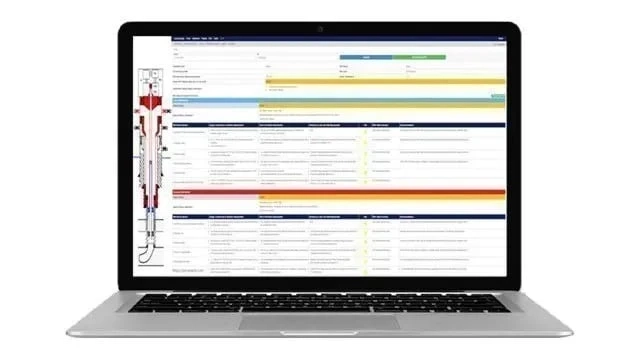
In the oil and gas industry, the safety and integrity of well systems are of paramount importance. Any compromise in well integrity can lead to catastrophic consequences, including environmental disasters, loss of life, and substantial economic losses. To mitigate these risks, innovative technologies have emerged, and one of the most crucial developments is well integrity software. This blog explores the significance of well integrity software in maintaining the safety and efficiency of oil and gas operations.
Understanding Well Integrity
Before delving into the specifics of well integrity software, it\'s essential to understand what well integrity entails. Well integrity refers to the maintenance of barriers that prevent the uncontrolled release of fluids and gases from the wellbore. These barriers consist of various components, including the casing, cement, and mechanical equipment. Over time, these components can deteriorate due to factors like corrosion, pressure, temperature changes, and chemical reactions. Ensuring the long-term integrity of these well barriers is essential to prevent leaks and other hazardous events.
The Role of Well Integrity Software
Well integrity software plays a pivotal role in safeguarding oil and gas assets. It utilizes advanced data analytics, modeling, and real-time monitoring to assess the condition of well components and predict potential integrity issues. Here are some key aspects of well integrity software:
Data Integration and Management: Well integrity software gathers data from different sources, such as sensor readings, historical records, and inspection reports. This data is then integrated and managed in a centralized platform, providing a comprehensive overview of well conditions.
Predictive Analytics: By analyzing historical and real-time data, the software can identify trends and patterns that may indicate potential integrity threats. This enables operators to take proactive measures before issues escalate.
Risk Assessment: Well integrity software assesses risk factors based on data inputs, such as well age, location, operating conditions, and past incidents. This information helps prioritize maintenance and intervention strategies.
Real-time Monitoring: Some well integrity software solutions offer real-time monitoring capabilities. Sensors placed on well components continuously transmit data, allowing operators to respond swiftly to sudden changes or anomalies.
Decision Support: The software provides operators with actionable insights and recommendations. This assists them in making informed decisions about maintenance, repair, and intervention strategies.
Benefits of Well Integrity Software
Implementing well integrity software can lead to a range of benefits for oil and gas companies:
Enhanced Safety: By identifying potential well integrity threats early, operators can take preventive measures, minimizing the risk of accidents, leaks, and blowouts.
Optimized Maintenance: Well integrity software enables predictive maintenance, reducing downtime and optimizing resource allocation by addressing issues before they become critical.
Regulatory Compliance: Many countries have stringent regulations related to well integrity. Utilizing software to monitor and manage well conditions helps companies meet compliance requirements.
Cost Savings: Proactive maintenance and reduced downtime result in significant cost savings in the long run, compared to reactive repairs and emergency interventions.
Environmental Protection: Well integrity software contributes to environmental protection by preventing leaks that could contaminate soil, water, and air.
Conclusion
As the oil and gas industry evolves, embracing technological advancements becomes essential to enhance safety, operational efficiency, and environmental responsibility. Asset Integrity Engineering\'s Well integrity software stands as a prime example of how innovation can mitigate risks and safeguard valuable assets. By harnessing the power of data analytics, predictive modeling, and real-time monitoring, companies can ensure the long-term integrity of their well systems, protecting both their investments and the well-being of surrounding communities.